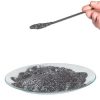
Overview of Abrasion-Resistant Reinforced Graphene for Fiber Reinforced Composites
Графенът е единичен слой от въглеродни атоми, подредени в шестоъгълна решетка, формиране на двуизмерен материал със забележителни свойства. Открит в 2004, оттогава той завладява научната общност и индустрията поради своята уникална комбинация от сила, проводимост, и гъвкавост. Графенът е по същество единичен, плосък лист графит, материалът, който се намира в молива, но неговите свойства са значително различни, когато са изолирани в единичен атомен слой.
Features of Abrasion-Resistant Reinforced Graphene for Fiber Reinforced Composites
-
Несравнима сила: Графенът е най-здравият известен материал, с якост на опън около 130 гигапаскали, надминавайки стоманата с коефициент над 100.
-
Изключителна гъвкавост: Въпреки силата си, графенът е много гъвкав и може да се огъва, усукана, или навити без да се счупят.
-
Изключителна електропроводимост: Провежда електричеството изключително добре, с електрони, движещи се със скорости, близки до скоростта на светлината, което го прави идеален за електроника.
-
Топлопроводимост: Графенът също е отличен топлопроводник, ефективно разпръскване на топлината, полезни в приложения за управление на топлината.
-
Прозрачност: Той е почти прозрачен, само усвояване 2.3% на светлината, който, заедно с неговата проводимост, го прави подходящ за прозрачни електроди в дисплеи.
-
Химически инертен: Графенът е силно устойчив на корозия и е стабилен при широк диапазон от химически условия.
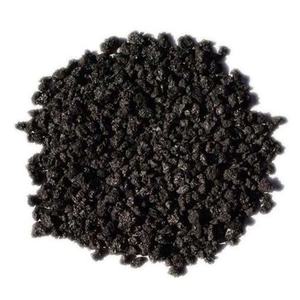
(Abrasion-Resistant Reinforced Graphene for Fiber Reinforced Composites)
Specification of Abrasion-Resistant Reinforced Graphene for Fiber Reinforced Composites
Abrasion-resistant reinforced graphene is a high-performance additive made for fiber-reinforced composites. It enhances surface toughness and expands the life of composite products. The graphene used in this item is particularly treated to bond well with polymer matrices. This solid bond aids avoid wear from rubbing, impact, and extreme environments.
The material contains multi-layer graphene flakes spread equally in a carrier material. This makes certain constant efficiency across the entire composite part. Particle dimension is regulated to stay clear of clumping and to support smooth processing during manufacturing. Common loading levels vary from 0.5% to 2% by weight, depending on the application requires.
This strengthened graphene works well with usual fibers like carbon, glass, and aramid. It does not interfere with conventional treating or molding approaches. Users can include it straight into the material mix prior to layup or injection. No significant modifications to existing assembly line are required.
Evaluating shows considerable gains in abrasion resistance. Composites with this additive last longer under duplicated rubbing, scuffing, or sanding. They also maintain their structural stamina much better in time. Surface area finish remains smoother even after heavy usage.
The product meets market safety standards and is secure under regular storage space conditions. It is available in sealed containers to stop wetness uptake. Shelf life goes to the very least year when maintained dry and cool.
Manufacturers in aerospace, automobile, aquatic, and sporting activities tools industries take advantage of this service. It aids them meet rigorous durability needs without adding much weight or price. Parts made with this additive perform accurately in demanding service problems.
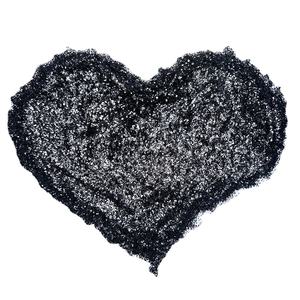
(Abrasion-Resistant Reinforced Graphene for Fiber Reinforced Composites)
Applications of Abrasion-Resistant Reinforced Graphene for Fiber Reinforced Composites
Abrasion-resistant strengthened graphene brings solid benefits to fiber strengthened compounds. These composites often encounter wear from rubbing, impact, or rough atmospheres. Including graphene assists them last much longer under such stress. Graphene is extremely thin yet incredibly difficult. When blended right into the composite matrix, it develops a safety layer that stands up to surface damages. This indicates components made with these materials remain smooth and intact even after duplicated usage.
Producers utilize these boosted composites in aerospace, auto, and aquatic sectors. In airplane, lightweight parts need to take care of constant airflow and particles. Graphene support reduces surface area disintegration without adding weight. Automobiles benefit as well– brake pads, body panels, and undercarriage parts see much less wear gradually. Boats and ships make use of these composites for hulls and props that fight saltwater corrosion and sand abrasion.
The process of including graphene is basic. It blends well with common resins like epoxy or polyester. No major changes to assembly line are required. Workers mix graphene powder into the resin prior to combining it with fibers like carbon or glass. The outcome is an uniform product that maintains its shape and stamina. Examinations reveal substantial improvement in scrape resistance and longevity contrasted to common composites.
Another advantage is set you back performance. Even small amounts of graphene make a large difference. Individuals get better performance without huge rises in product cost. Upkeep expenses go down due to the fact that components do not require constant substitute. This matters for equipment made use of in remote or hard-to-reach places.
Graphene likewise functions well with other additives. It can partner with silica or ceramic particles to boost protection better. Designers can adjust the mix based upon certain requirements. Whether the goal is smoother surfaces, longer life, or better resistance to grit and dirt, abrasion-resistant strengthened graphene delivers real-world outcomes.
Applications of Abrasion-Resistant Reinforced Graphene for Fiber Reinforced Composites
-
електроника: В транзисторите, сензорни екрани, и гъвкава електроника поради своята проводимост и гъвкавост, потенциално революционизиращ дизайна на устройството.
-
Съхранение на енергия: Като електроди в батерии и суперкондензатори, подобряване на капацитета за съхранение на енергия и скоростта на зареждане.
-
Сензори: Високата чувствителност и проводимост правят графена идеален за химически и биологични сензори.
-
Композити: Подсилващи материали като пластмаси, метали, и бетон за подобряване на здравината и проводимостта.
-
Филтриране на водата: Неговата атомно тънка структура позволява ефективно филтриране на замърсители, включително соли, вируси, и бактерии.
-
Лекарство: Потенциалните приложения включват системи за доставяне на лекарства и биосензори поради неговата биосъвместимост и уникални свойства.
Фирмен профил
Graphne Aerogels е доверен световен доставчик на химически материали & производител с над 12-годишен опит в предоставянето на супер висококачествени аерогелни и графенови продукти.
Компанията разполага с професионален технически отдел и отдел за надзор на качеството, добре оборудвана лаборатория, и оборудван с модерно оборудване за тестване и център за следпродажбено обслужване на клиенти.
Ако търсите висококачествен графен, аерогел и съответните продукти, моля не се колебайте да се свържете с нас или щракнете върху необходимите продукти, за да изпратите запитване.
Начини на плащане
акредитив, T/T, Western Union, Paypal, Кредитна карта и др.
Пратка
Може да се транспортира по море, по въздух, или чрез разкриване възможно най-скоро веднага след получаване на погасителната бележка.
FAQs of Abrasion-Resistant Reinforced Graphene for Fiber Reinforced Composites
Q: Is Abrasion-Resistant Reinforced Graphene for Fiber Reinforced Composites safe for the environment and human health?
А: Изследванията върху въздействието на графена върху околната среда и здравето продължават. Докато самият графен се счита за относително инертен, съществуват опасения относно потенциалната токсичност на графеновия оксид и други производни, особено във водните екосистеми.
Q: How is Abrasion-Resistant Reinforced Graphene for Fiber Reinforced Composites produced?
А: Графенът може да бъде произведен чрез няколко метода, включително механично ексфолиране (отлепване на слоеве от графит с помощта на лепяща лента), химическо отлагане на пари (ССЗ), и химическа редукция на графенов оксид.
Q: Why is Abrasion-Resistant Reinforced Graphene for Fiber Reinforced Composites not yet widely used in commercial products?
А: Предизвикателствата при производството на висококачествен графен по мащабируем и рентабилен начин възпрепятстват широкото му приемане. Допълнително, интегрирането на графен в съществуващите производствени процеси изисква допълнителен технологичен напредък.
Q: Can Abrasion-Resistant Reinforced Graphene for Fiber Reinforced Composites be used to make stronger and lighter materials?
А: Абсолютно, добавянето на графен към композитните материали значително подобрява тяхната здравина и твърдост, като същевременно намалява теглото, което ги прави идеални за космическото пространство, автомобилен, и спортно оборудване.
Q: Does Abrasion-Resistant Reinforced Graphene for Fiber Reinforced Composites have any limitations?
А: Докато графенът притежава изключителни свойства, остават предизвикателства при овладяването на пълния му потенциал, като постигане на висококачествено масово производство, управление на тенденцията му да се натрупва отново в композити, и справяне с потенциални опасения за здравето и околната среда.
5 FAQs of Abrasion-Resistant Reinforced Graphene for Fiber Reinforced Composites
What is abrasion-resistant reinforced graphene?
It is a special form of graphene added to fiber composites to help them resist wear from rubbing or scraping. This material keeps the composite strong even after repeated contact with rough surfaces.
Why use graphene instead of other additives?
Graphene is very thin but extremely strong. A small amount can greatly improve how well the composite holds up against abrasion. It also adds little weight and does not hurt the flexibility of the final product.
How does it work inside the composite?
The graphene spreads evenly through the resin that binds the fibers. When the surface gets rubbed, the graphene layers act like tiny shields. They take the damage so the fibers underneath stay intact longer.
Is it hard to mix into existing production processes?
не. Most manufacturers can add it without changing their current methods. It mixes well with common resins like epoxy or polyester. Just follow the recommended dosage to get consistent results.
Does it affect other properties of the composite?
It usually helps more than it hurts. Besides better wear resistance, it often improves stiffness and heat tolerance. Electrical conductivity may also increase slightly, which can be useful in some applications. It does not make the material brittle if used correctly.
(Abrasion-Resistant Reinforced Graphene for Fiber Reinforced Composites)