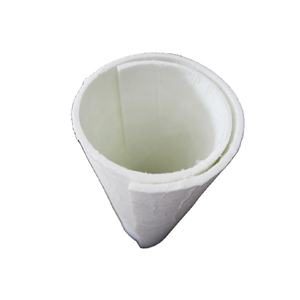
Overview of Silica Aerogel Thermal Insulation blanket/film
Aerogely jsou ultralehké, vysoce porézní materiály známé pro své výjimečné izolační vlastnosti, pozoruhodně nízká hustota, a neuvěřitelné poměry pevnosti a hmotnosti. Často označované jako “zmrzlý kouř” díky jejich éterickému vzhledu, aerogely se vyrábějí nahrazením kapalné složky gelu plynem, typicky prostřednictvím superkritického sušení, který zabraňuje kolapsu gelové struktury. Skládá se převážně ze vzduchu (až do 99.98%), tyto materiály vykazují širokou škálu jedinečných vlastností, díky kterým jsou cenné v různých průmyslových odvětvích.
Features of Silica Aerogel Thermal Insulation blanket/film
-
Extrémně nízká hustota: Aerogely jsou jedny z nejlehčích pevných látek na světě, s hustotami tak nízkými jako 0.001 gramů na krychlový centimetr.
-
Skvělá izolace: Mají extrémně nízkou tepelnou vodivost, řadí je mezi nejlepší izolátory, které člověk zná, účinný při teplotách od -270°C do 1 000°C.
-
Vysoká pórovitost: S porézní strukturou, která může dosáhnout až 99.9%, aerogely mají neuvěřitelně velký vnitřní povrch, zvýšení jejich funkčnosti v absorpčních a katalytických aplikacích.
-
Průhledné až průhledné: Podle jejich složení, aerogely mohou přenášet světlo, dává jim jedinečný poloprůhledný nebo průhledný vzhled.
-
Mechanická pevnost: Navzdory jejich křehkému vzhledu, aerogely mohou být navrženy tak, aby měly významnou mechanickou pevnost, schopné unést značnou váhu.
-
Chemicky inertní: Mnoho aerogelů je chemicky stabilních a odolných vůči korozi, díky tomu jsou vhodné do drsného prostředí.
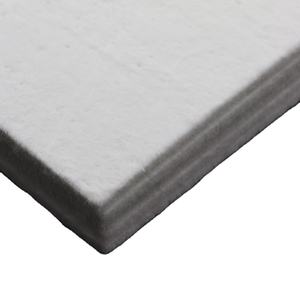
( Silica Aerogel Thermal Insulation blanket/film)
Parameters of Silica Aerogel Thermal Insulation blanket/film
Silica Aerogel thermal insulation blanket/film parameters are important in determining the performance of your thermal insulation system. These parameters include the amount and type of fiber used, the temperature range for application, and other factors such as layout and orientation.
The first step is to determine the desired thermal performance of your thermal insulation system. This will depend on the specific requirements of your application, including the materials being used, the intended use case, and the level of efficiency you require.
Once you have determined the necessary thermal performance parameters, you can begin to specify the fiber used in your system. Common types of fiber used in thermal insulation systems include (PE), ethylene-vinyl alcohol (EVA), and reinforcing sisal. Each fiber has its own unique properties that affect its ability to retain heat, and choosing the right fiber will depend on the specific application and conditions.
Once you have chosen the appropriate fiber, you will need to determine the temperature range for application. Different types of fibers will perform differently under different temperatures, so it’s important to choose one that meets your application’s specific requirements.
After determining the temperature range, you will need to calculate the total thermal loss due to absorption and loss of heat by the system. This will be done using appropriate methods, such as measuring and recording temperature changes over time or using specialized equipment.
In addition to the temperature range and other technical specifications, it’s also important to consider the layout and orientation of your thermal insulation system. The size, shape, and placement of the fiber used in your system will affect how effectively it retains heat and prevent convection and diffusion. It’s important to design your thermal insulation system to meet the needs of all users and provide optimal performance at different operating temperatures.
Celkově, the selection of the required thermal insulation parameters requires careful consideration of your specific application and requirements. By following these steps, you can ensure that your thermal insulation system provides optimal performance and meets your overall needs.
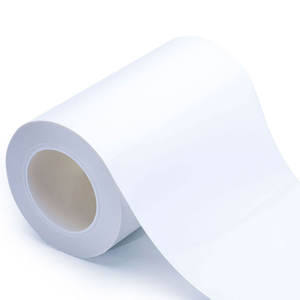
( Silica Aerogel Thermal Insulation blanket/film)
Applications of Silica Aerogel Thermal Insulation blanket/film
-
Thermal Insulation: Used in aerospace for spacecraft insulation, and in commercial and residential buildings for energy-efficient windows and insulation materials.
-
Environmental Remediation: Aerogels’ high surface area makes them effective in absorbing pollutants like oil spills and heavy metals from water.
-
Sound Absorption: Their porous structure absorbs sound waves effectively, making them useful in noise reduction applications.
-
Elektronika: Aerogels’ low thermal conductivity and electrical insulation properties find applications in semiconductor and battery technology.
-
Optics and Photonics: Translucent aerogels are used in optical devices, light-guiding structures, and as filters.
-
Drug Delivery: The high surface area can be utilized for controlled drug release, making aerogels candidates for advanced medical applications.
Profil společnosti
Graphne Aerogels je důvěryhodný globální dodavatel chemických materiálů & výrobce s více než 12letými zkušenostmi v poskytování vysoce kvalitních aerogelových a grafenových produktů.
Společnost má profesionální technické oddělení a oddělení kontroly kvality, dobře vybavená laboratoř, a vybavené pokročilým testovacím zařízením a poprodejním zákaznickým servisním střediskem.
Pokud hledáte vysoce kvalitní grafen, aerogel a příbuzné produkty, neváhejte nás kontaktovat nebo klikněte na potřebné produkty a odešlete dotaz.
Platební metody
L/C, T/T, Western Union, Paypal, Kreditní karta atd.
Zásilka
Dalo by se to poslat po moři, letecky, nebo odhalením co nejdříve po obdržení platby.
FAQs of Silica Aerogel Thermal Insulation blanket/film
Q: Is Silica Aerogel Thermal Insulation blanket/film fragile?
A: Traditional aerogels are brittle and fragile; však, advancements have led to the development of “flexible” nebo “rigid” aerogels that maintain their unique properties while being more durable.
Q: How is Silica Aerogel Thermal Insulation blanket/film made?
A: Silica Aerogel Thermal Insulation blanket/film is synthesized by replacing the liquid in a gel with gas without causing the structure to collapse. This is typically achieved through supercritical drying, where the solvent is converted to a supercritical state, allowing it to evaporate without forming liquid-gas interfaces that could damage the gel structure.
Q: Is Silica Aerogel Thermal Insulation blanket/film expensive?
A: Historically, aerogels have been costly due to their complex manufacturing process. Však, with technological advancements and economies of scale, costs are gradually decreasing.
Q: Can Silica Aerogel Thermal Insulation blanket/film conduct electricity?
A: Most aerogels are poor conductors of electricity due to their porous, insulating nature. Však, certain metal-oxide aerogels can display semiconducting or even conducting properties.
Q: Is Silica Aerogel Thermal Insulation blanket/film environmentally friendly?
A: Aerogels themselves do not pose environmental hazards, and their use in insulation can reduce energy consumption. Však, the production process may involve chemicals that require careful handling and disposal.
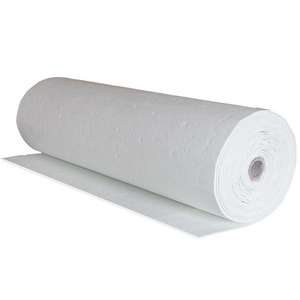
( Silica Aerogel Thermal Insulation blanket/film)