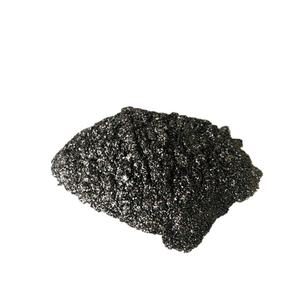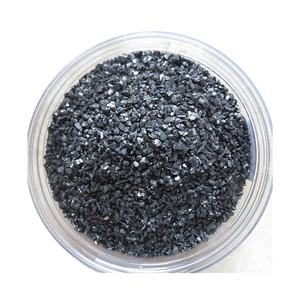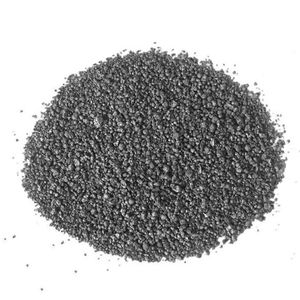
Overview of Graphene for Li-ion Battery
Grafeen on üks süsinikuaatomite kiht, mis on paigutatud kuusnurksesse võresse, moodustades tähelepanuväärsete omadustega kahemõõtmelise materjali. Avastati aastal 2004, see on sellest ajast peale võlunud nii teadusringkondi kui ka tööstust oma ainulaadse jõu kombinatsiooni tõttu, juhtivus, ja paindlikkus. Grafeen on sisuliselt üksik, tasane grafiidileht, pliiatsipliiatsist leitud materjal, kuid selle omadused on tohutult erinevad, kui see eraldatakse üheks aatomikihiks.
Features of Graphene for Li-ion Battery
-
Võrratu tugevus: Grafeen on kõige tugevam teadaolev materjal, mille tõmbetugevus on umbes 130 gigapaskalid, ületades terast kordades rohkem 100.
-
Äärmuslik paindlikkus: Vaatamata oma tugevusele, grafeen on väga paindlik ja seda saab painutada, väänatud, või valtsitud ilma purunemata.
-
Erakordne elektrijuhtivus: See juhib elektrit erakordselt hästi, elektronidega, mis liiguvad valguse kiirusele läheneva kiirusega, muudab selle ideaalseks elektroonika jaoks.
-
Soojusjuhtivus: Grafeen on ka suurepärane soojusjuht, soojuse tõhusat hajutamist, kasulik soojusjuhtimise rakendustes.
-
Läbipaistvus: See on peaaegu läbipaistev, ainult neelavad 2.3% valgusest, mis, koos selle juhtivusega, muudab selle sobivaks ekraanide läbipaistvate elektroodide jaoks.
-
Keemiliselt inertne: Grafeen on väga korrosioonikindel ja stabiilne paljudes keemilistes tingimustes.
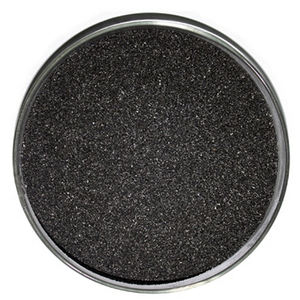
(Graphene for Li-ion Battery)
Specification of Graphene for Li-ion Battery
Graphene utilized in lithium-ion batteries should meet details top quality requirements to function well. The product ought to have a high area, generally over 500 square meters per gram. This assists the battery shop much more power and cost much faster. Purity is also important. Graphene for batteries requires to be at the very least 99% carbon with very few contaminations like oxygen or steels. These contaminations can slow down performance or create safety problems.
The variety of layers matters also. Excellent battery-grade graphene typically has fewer than five layers. Single or double-layer sheets are liked due to the fact that they let lithium ions move conveniently. Thicker stacks reduce efficiency. Flake dimension is one more key point. Many makers try to find flakes between 1 and 10 micrometers. Smaller sized flakes blend much better right into electrode slurries. Bigger ones might not spread out evenly.
Electrical conductivity needs to be high. Graphene must show conductivity above 1,000 siemens per centimeter. This ensures fast electron transfer during charging and discharging. Problems in the framework ought to be minimal. Too many openings or splits in the sheets deteriorate efficiency. Raman spectroscopy is frequently made use of to check defect levels. A reduced D-peak contrasted to the G-peak shows good quality.
Moisture material must remain listed below 1%. Water can respond with battery chemicals and produce gas or warmth. Vendors normally completely dry graphene before product packaging it in sealed containers. The material should also be without solvents or deposits from manufacturing. These leftovers can hinder the electrolyte.
Consistency between batches is crucial. Every shipment should match the same specifications so battery manufacturers do not require to readjust their processes. Examining reports for every set help verify this. Common examinations consist of wager for area, XRD for layer count, and TGA for purity. All these details make sure graphene works reliably inside lithium-ion cells.
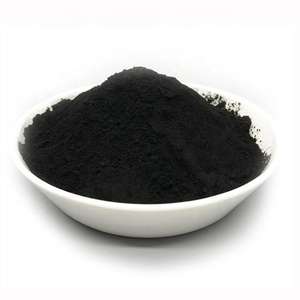
(Graphene for Li-ion Battery)
Applications of Graphene for Li-ion Battery
Graphene is a solitary layer of carbon atoms prepared in a level honeycomb pattern. It is strong, light, and carries out electrical energy quite possibly. These qualities make it beneficial for improving lithium-ion batteries.
One major use of graphene remains in the anode. Standard anodes are made from graphite. Graphene can change or combine with graphite to help lithium ions move faster. This increases charging speed and battery life. Graphene’s huge surface additionally allows more lithium ions attach throughout billing. That indicates the battery can save a lot more power.
Graphene also aids with heat control. Lithium-ion batteries get hot when used a lot. Excessive warm can harm them. Graphene spreads warm equally throughout the battery. This keeps temperature levels stable and makes the battery more secure.
In the cathode, graphene can support active products like lithium cobalt oxide. It includes framework and boosts electrical get in touch with. This results in better performance over numerous charge cycles. The battery remains strong longer without losing power rapidly.
An additional advantage is flexibility. Graphene is bendable however tough. This permits new battery designs that suit rounded or little devices. Wearables and foldable phones can use these sophisticated batteries.
Graphene likewise lowers internal resistance. Less resistance means much less power is wasted as warmth. More power goes to the device rather. This makes the entire system more efficient.
Researchers maintain testing methods to include graphene into batteries at inexpensive. Right now, making top notch graphene in large amounts is still tough. However progression is steady. As production gets much easier, graphene-enhanced batteries will end up being a lot more common. They guarantee quicker billing, longer life, and much better safety and security for daily electronic devices, electrical vehicles, and energy storage space systems.
Applications of Graphene for Li-ion Battery
-
Elektroonika: Transistorides, puutetundlikud ekraanid, ja paindlik elektroonika tänu oma juhtivusele ja paindlikkusele, potentsiaalselt murranguline seadme disain.
-
Energia salvestamine: Elektroodidena patareides ja superkondensaatorites, energia salvestamise võimsuse ja laadimiskiiruste parandamine.
-
Andurid: Suur tundlikkus ja juhtivus muudavad grafeeni ideaalseks keemiliste ja bioloogiliste andurite jaoks.
-
Komposiidid: Tugevdavad materjalid nagu plast, metallid, ja betoon tugevuse ja juhtivuse suurendamiseks.
-
Vee filtreerimine: Selle aatomiliselt õhuke struktuur võimaldab saasteaineid tõhusalt filtreerida, sealhulgas soolad, viirused, ja bakterid.
-
Ravim: Võimalikud kasutusalad hõlmavad ravimite kohaletoimetamise süsteeme ja biosensoreid selle biosobivuse ja ainulaadsete omaduste tõttu.
Ettevõtte profiil
Graphne Aerogels on usaldusväärne ülemaailmne keemiliste materjalide tarnija & tootja, kellel on üle 12-aastane kogemus ülikvaliteetsete aerogeeli- ja grafeenitoodete pakkumisel.
Ettevõttel on professionaalne tehniline osakond ja kvaliteedijärelevalve osakond, hästi varustatud labor, ning varustatud täiustatud testimisseadmete ja müügijärgse klienditeeninduskeskusega.
Kui otsite kvaliteetset grafeeni, aerogeel ja sellega seotud tooted, võtke meiega julgelt ühendust või klõpsake päringu saatmiseks vajalikel toodetel.
Makseviisid
L/C, T/T, Western Union, Paypal, Krediitkaart jne.
Saadetis
Seda saab saata meritsi, õhuga, või avaldada niipea kui tagasimakse laekumine.
FAQs of Graphene for Li-ion Battery
K: Is Graphene for Li-ion Battery safe for the environment and human health?
A: Grafeeni keskkonna- ja tervisemõjude uurimine jätkub. Kuigi grafeeni ennast peetakse suhteliselt inertseks, muret tekitab grafeenoksiidi ja teiste derivaatide võimalik toksilisus, eriti veeökosüsteemides.
K: How is Graphene for Li-ion Battery produced?
A: Grafeeni saab toota mitmel viisil, sealhulgas mehaaniline koorimine (grafiidikihtide mahakoorimine kleeplindi abil), keemiline aurustamine-sadestamine (CVD), ja grafeenoksiidi keemiline redutseerimine.
K: Why is Graphene for Li-ion Battery not yet widely used in commercial products?
A: Väljakutsed kvaliteetse grafeeni tootmisel skaleeritaval ja kulutõhusal viisil on takistanud selle laialdast kasutuselevõttu. Lisaks, grafeeni integreerimine olemasolevatesse tootmisprotsessidesse nõuab täiendavaid tehnoloogilisi edusamme.
K: Can Graphene for Li-ion Battery be used to make stronger and lighter materials?
A: Absoluutselt, grafeeni lisamine komposiitmaterjalidele parandab oluliselt nende tugevust ja jäikust, vähendades samal ajal kaalu, muutes need ideaalseks kosmosesõiduki jaoks, autotööstus, ja spordivarustust.
K: Does Graphene for Li-ion Battery have any limitations?
A: Kuigi grafeenil on silmapaistvad omadused, selle täieliku potentsiaali ärakasutamine on endiselt keeruline, näiteks kvaliteetse masstootmise saavutamine, hallata oma kalduvust uuesti laduda komposiitmaterjalidesse, ning võimalike tervise- ja keskkonnaprobleemide käsitlemine.
5 FAQs of Graphene for Li-ion Battery
What is graphene?
Graphene is a single layer of carbon atoms arranged in a flat honeycomb pattern. It is very thin yet strong. It also conducts electricity and heat very well.
Why use graphene in lithium-ion batteries?
Graphene helps batteries charge faster. It also lets them store more energy. This happens because graphene moves electrons quickly and has a large surface area for chemical reactions.
Does graphene make batteries last longer?
Yes. Graphene reduces wear during charging and discharging. It keeps the battery structure stable over many cycles. This means the battery holds its capacity better over time.
Is graphene safe in batteries?
Graphene itself is not toxic. But how it is made and used matters. When handled properly in battery production, it poses no extra safety risk compared to standard materials.
Are graphene batteries available now?
Some products use small amounts of graphene to boost performance. Full graphene-based batteries are still in development. Most current uses mix graphene with other materials to improve existing designs.
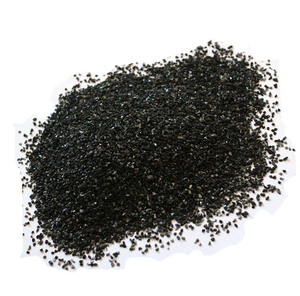
(Graphene for Li-ion Battery)