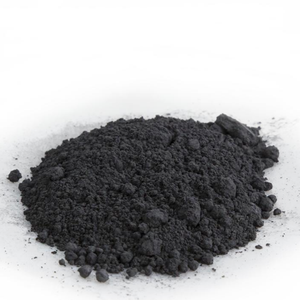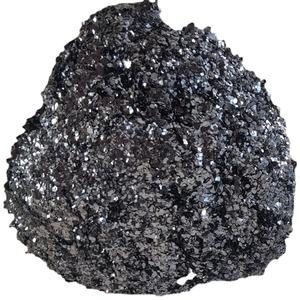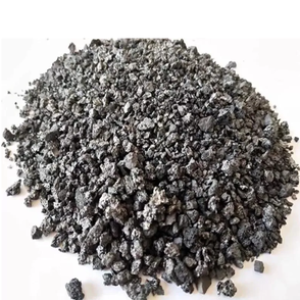

Overview of Graphene for Lithium Battery Research
Graphene yog ib txheej ntawm carbon atoms teem nyob rau hauv ib tug hexagonal lattice, tsim cov khoom siv ob sab nrog cov khoom zoo kawg nkaus. Tshawb pom hauv 2004, nws tau txij li captivated lub zej zog kev tshawb fawb thiab kev lag luam ib yam nkaus vim nws qhov sib xyaw ua ke ntawm lub zog, conductivity, thiab yooj. Graphene yog ib qho tseem ceeb, flat sheet ntawm graphite, cov khoom pom nyob rau hauv mem hluav lead, tab sis nws cov khoom muaj ntau qhov sib txawv thaum sib cais rau hauv ib txheej atomic.
Features of Graphene for Lithium Battery Research
-
Tsis sib haum xeeb: Graphene yog cov khoom siv paub zoo tshaj plaws, nrog lub zog tensile ntawm ib ncig 130 gigapascals, surpassing steel los ntawm ib qho tseem ceeb tshaj 100.
-
Flexibility heev: Txawm tias nws lub zog, graphene yog qhov hloov tau yooj yim thiab tuaj yeem khoov tau, twisted, los yog dov tsis tawg.
-
Exceptional Hluav taws xob conductivity: Nws coj hluav taws xob zoo heev, nrog electrons txav ntawm velocities mus txog qhov ceev ntawm lub teeb, ua rau nws zoo tagnrho rau electronics.
-
Thermal conductivity: Graphene kuj yog ib qho zoo heev thermal conductor, dispersing tshav kub zoo, muaj txiaj ntsig zoo hauv kev siv kev tswj cua sov.
-
Pob tshab: Nws yog ze li pob tshab, absorbing nkaus xwb 2.3% ntawm lub teeb, uas, ua ke nrog nws conductivity, ua rau nws haum rau pob tshab electrodes hauv cov lus qhia.
-
Chemically Inert: Graphene yog cov resistant rau corrosion thiab ruaj khov nyob rau hauv ib tug ntau yam ntawm tshuaj tej yam kev mob.
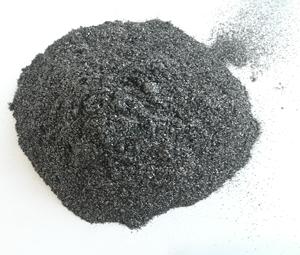
(Graphene for Lithium Battery Research)
Specification of Graphene for Lithium Battery Research
Graphene used in lithium battery study must satisfy particular quality standards to make sure trustworthy efficiency. The product should have a high carbon material, normally over 99%, with marginal oxygen or various other contaminations. Low defect density is crucial due to the fact that flaws can disrupt electron transport and reduce conductivity. Scientists usually prefer single-layer or few-layer graphene, as thicker flakes may hinder ion diffusion within the battery electrode.
The surface of the graphene should be huge, generally above 500 square meters per gram. A high surface supports much better call with active products and boosts fee storage ability. Particle size also matters. Many research studies utilize graphene with lateral dimensions in between 0.5 and 10 micrometers. Smaller sized sheets can pack extra largely, while larger ones may supply far better electrical pathways.
Electrical conductivity is one more essential aspect. Good-quality graphene for battery applications shows conductivity worths surpassing 1,000 siemens per centimeter. This aids electrons move quickly with the electrode throughout billing and discharging. Thermal security is very important too. The product ought to remain secure approximately a minimum of 600 levels Celsius in inert ambiences to make it through standard electrode handling actions.
Dispersion behavior in solvents affects just how easily graphene blends into electrode slurries. Steady diffusions avoid clumping and make certain consistent finishing on present enthusiasts. Lots of labs test dispersibility in water or common natural solvents like NMP before usage. Residual steel catalysts from production, such as nickel or cobalt, need to be kept listed below 100 components per million. These steels can create side responses that break down battery life.
Batch-to-batch consistency is crucial for repeatable experiments. Distributors should supply certificates of evaluation showing pureness, layer count, and area for every whole lot. Scientists rely upon this data to compare outcomes throughout different studies. Appropriate storage in completely dry, closed containers prevents wetness uptake, which can alter graphene’s residential or commercial properties gradually.
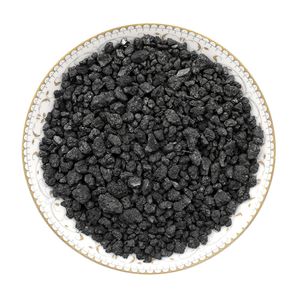
(Graphene for Lithium Battery Research)
Applications of Graphene for Lithium Battery Research
Graphene is a single layer of carbon atoms organized in a level honeycomb pattern. It is really slim however solid. Researchers utilize it in lithium battery study due to the fact that it has unique residential properties. Graphene conducts electrical energy well. It also relocates heat quickly and has a huge area. These attributes assist improve battery performance.
In lithium-ion batteries, graphene can be component of the anode. Standard anodes use graphite. Graphene functions better due to the fact that it enables lithium ions to move quicker. This means the battery charges more quickly. It also holds more energy, so the battery lasts longer in between charges.
Researchers mix graphene with other materials like silicon or steel oxides. Silicon shops a great deal of lithium, but it swells when charged. Including graphene aids manage this swelling. The mixture remains steady over lots of fee cycles. This makes the battery more secure and more long lasting.
Graphene also helps in making adaptable batteries. Its thin and bendable nature suits wearable electronic devices. Phones, smartwatches, and clinical gadgets can benefit from this. The product keeps functioning even when curved or twisted.
One more use remains in battery cathodes. Graphene enhances exactly how electrons stream with the cathode material. This boosts power result. It additionally minimizes internal resistance, which lowers warm buildup throughout use.
Scientists are examining graphene-based existing enthusiasts also. These components bring power in and out of the battery. Utilizing graphene makes them lighter and much more effective. That cuts down the overall weight of the battery pack.
In general, graphene brings actual advantages to lithium battery layout. It quickens charging, increases capacity, and adds flexibility. It additionally helps batteries last longer and run cooler. Many laboratories and firms currently focus on transforming these lab results into real products. They aim to make better batteries for phones, vehicles, and renewable resource systems.
Applications of Graphene for Lithium Battery Research
-
Electronics: Hauv transistors, touchscreens, thiab saj zawg zog electronics vim nws conductivity thiab yooj, muaj peev xwm revolutionizing ntaus ntawv tsim.
-
Zog Cia: Raws li electrodes hauv roj teeb thiab supercapacitors, txhim kho lub zog cia muaj peev xwm thiab them tus nqi.
-
Sensors: High rhiab heev thiab conductivity ua graphene zoo tagnrho rau tshuaj lom neeg sensors.
-
Composites: Txhim kho cov ntaub ntawv zoo li plastics, hlau, thiab pob zeb ua kom muaj zog thiab conductivity.
-
Kev lim dej: Nws cov qauv atomically nyias ua kom muaj txiaj ntsig zoo ntawm cov kab mob, suav nrog ntsev, kab mob, thiab kab mob.
-
Tshuaj kho mob: Muaj peev xwm siv tau suav nrog cov tshuab xa tshuaj thiab bio-sensors vim nws biocompatibility thiab cov khoom tshwj xeeb.
Tuam txhab Profile
Graphne Aerogels yog ib qho kev ntseeg siab thoob ntiaj teb cov khoom siv tshuaj & chaw tsim tshuaj paus nrog ntau tshaj 12-xyoo-kev paub nyob rau hauv muab super-zoo airgel thiab graphene khoom.
Lub tuam txhab muaj cov kws tshaj lij kev ua haujlwm thiab Kev Tswj Xyuas Zoo, ib lub chaw kuaj mob zoo, thiab nruab nrog cov cuab yeej ntsuas qib siab thiab tom qab-muag kev pabcuam cov neeg siv khoom.
Yog tias koj tab tom nrhiav kom zoo graphene, airgel thiab cov khoom txheeb ze, thov koj xav tiv tauj peb lossis nyem rau ntawm cov khoom xav tau los xa cov lus nug.
Kev Them Nyiaj
L/C, T/T, Western Union, Paypal, Credit Card thiab lwm yam.
Kev xa khoom
Nws tuaj yeem raug xa los ntawm hiav txwv, los ntawm huab cua, los yog los ntawm kev qhia ASAP sai li sai tau thaum tau txais cov nyiaj them rov qab.
FAQs of Graphene for Lithium Battery Research
Q: Is Graphene for Lithium Battery Research safe for the environment and human health?
A: Kev tshawb fawb txog kev cuam tshuam ib puag ncig thiab kev noj qab haus huv ntawm graphene tseem tab tom ua. Thaum graphene nws tus kheej suav hais tias yog qhov tsis muaj zog, Muaj kev txhawj xeeb txog qhov muaj peev xwm toxicity ntawm graphene oxide thiab lwm yam derivatives, tshwj xeeb tshaj yog nyob rau hauv dej ecosystems.
Q: How is Graphene for Lithium Battery Research produced?
A: Graphene tuaj yeem tsim los ntawm ntau txoj hauv kev, suav nrog mechanical exfoliation (tev txheej txheej ntawm graphite siv cov nplaum nplaum), tshuaj vapor deposition (CVD), thiab tshuaj txo cov graphene oxide.
Q: Why is Graphene for Lithium Battery Research not yet widely used in commercial products?
A: Cov kev sib tw hauv kev tsim cov khoom zoo graphene ntawm tus nqi tsim nyog thiab muaj txiaj ntsig zoo tau cuam tshuam nws txoj kev siv dav dav.. Ntxiv thiab, Kev koom ua ke graphene rau hauv cov txheej txheem tsim khoom uas twb muaj lawm yuav tsum tau ua kom muaj kev vam meej ntxiv.
Q: Can Graphene for Lithium Battery Research be used to make stronger and lighter materials?
A: kiag li, graphene qhov sib ntxiv rau cov ntaub ntawv sib xyaw ua kom lawv lub zog thiab nruj thaum txo qhov hnyav, ua rau lawv zoo tagnrho rau aerospace, tsheb, thiab cov khoom ua si.
Q: Does Graphene for Lithium Battery Research have any limitations?
A: Thaum graphene muaj cov khoom zoo heev, cov teeb meem tseem nyob hauv kev siv nws lub peev xwm tag nrho, xws li kev ua tiav cov khoom lag luam zoo, tswj nws txoj kev xav kom rov ua dua hauv cov khoom sib xyaw, thiab hais txog tej kev txhawj xeeb txog kev noj qab haus huv thiab ib puag ncig.
5 FAQs of Graphene for Lithium Battery Research
What is graphene?
Graphene is a single layer of carbon atoms arranged in a flat honeycomb pattern. It is very thin yet strong. Scientists use it in lithium battery research because it conducts electricity well and moves ions quickly.
Why is graphene used in lithium batteries?
Lithium batteries need materials that let electricity flow easily and hold a lot of energy. Graphene does both. It helps batteries charge faster and last longer. Its large surface area also supports better chemical reactions inside the battery.
Does graphene improve battery life?
Yes. Adding graphene to battery parts like the anode or cathode reduces wear over time. This means the battery keeps working well after many charge cycles. Graphene also stops parts from breaking down too fast.
Is graphene safe for batteries?
Graphene itself is stable and not toxic. But how it is made and added to batteries matters. Some production methods leave impurities that can cause problems. Researchers work to make clean, safe graphene for battery use.
How expensive is graphene for battery research?
Pure, high-quality graphene costs a lot right now. Making it in large amounts without defects is hard. Many labs test cheaper versions or mix small amounts with other materials. As methods improve, prices may drop enough for wider use.
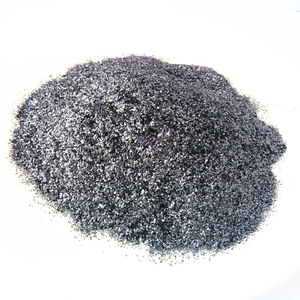
(Graphene for Lithium Battery Research)