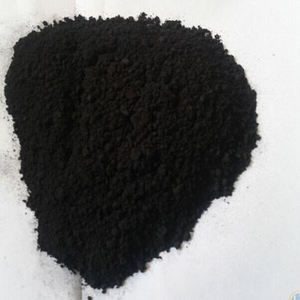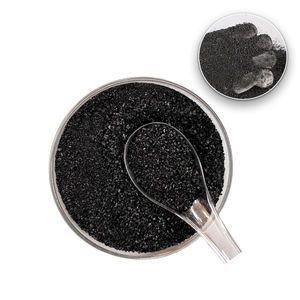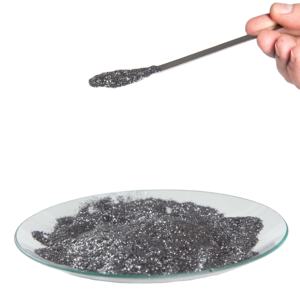
Overview of Abrasion-Resistant Reinforced Graphene for Fiber Reinforced Composites
A grafén egyetlen réteg szénatomok, amelyek hatszögletű rácsban vannak elrendezve, figyelemre méltó tulajdonságokkal rendelkező kétdimenziós anyagot alkotva. Felfedezték ben 2004, azóta is magával ragadja a tudományos közösséget és az ipart is egyedülálló erejének kombinációjával, vezetőképesség, és a rugalmasság. A grafén lényegében egyetlen, lapos grafitlap, a ceruza ólomban található anyag, de tulajdonságai nagymértékben különböznek egyetlen atomi rétegben elkülönítve.
Features of Abrasion-Resistant Reinforced Graphene for Fiber Reinforced Composites
-
Páratlan erő: A grafén a legerősebb ismert anyag, körüli szakítószilárdsággal 130 gigapascal, többszörösen felülmúlja az acélt 100.
-
Rendkívüli rugalmasság: Ereje ellenére, A grafén rendkívül rugalmas és hajlítható, sodrott, vagy törés nélkül hengereljük.
-
Kivételes elektromos vezetőképesség: Kifejezetten jól vezeti az elektromosságot, a fénysebességet megközelítő sebességgel mozgó elektronokkal, így ideális az elektronikához.
-
Hővezetőképesség: A grafén kiváló hővezető is, hatékonyan elosztja a hőt, hasznos a hőkezelési alkalmazásokban.
-
Átláthatóság: Szinte átlátszó, csak felszívódik 2.3% a fény, melyik, vezetőképességével párosulva, alkalmassá teszi a kijelzők átlátszó elektródáira.
-
Kémiailag inert: A grafén rendkívül ellenálló a korrózióval szemben, és számos kémiai körülmény között stabil.
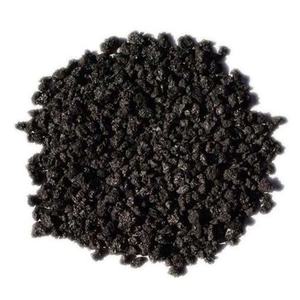
(Abrasion-Resistant Reinforced Graphene for Fiber Reinforced Composites)
Specification of Abrasion-Resistant Reinforced Graphene for Fiber Reinforced Composites
Abrasion-resistant reinforced graphene is a high-performance additive made for fiber-reinforced composites. It enhances surface toughness and expands the life of composite products. The graphene used in this item is particularly treated to bond well with polymer matrices. This solid bond aids avoid wear from rubbing, impact, and extreme environments.
The material contains multi-layer graphene flakes spread equally in a carrier material. This makes certain constant efficiency across the entire composite part. Particle dimension is regulated to stay clear of clumping and to support smooth processing during manufacturing. Common loading levels vary from 0.5% to 2% by weight, depending on the application requires.
This strengthened graphene works well with usual fibers like carbon, glass, and aramid. It does not interfere with conventional treating or molding approaches. Users can include it straight into the material mix prior to layup or injection. No significant modifications to existing assembly line are required.
Evaluating shows considerable gains in abrasion resistance. Composites with this additive last longer under duplicated rubbing, scuffing, or sanding. They also maintain their structural stamina much better in time. Surface area finish remains smoother even after heavy usage.
The product meets market safety standards and is secure under regular storage space conditions. It is available in sealed containers to stop wetness uptake. Shelf life goes to the very least year when maintained dry and cool.
Manufacturers in aerospace, automobile, aquatic, and sporting activities tools industries take advantage of this service. It aids them meet rigorous durability needs without adding much weight or price. Parts made with this additive perform accurately in demanding service problems.
(Abrasion-Resistant Reinforced Graphene for Fiber Reinforced Composites)
Applications of Abrasion-Resistant Reinforced Graphene for Fiber Reinforced Composites
Abrasion-resistant strengthened graphene brings solid benefits to fiber strengthened compounds. These composites often encounter wear from rubbing, impact, or rough atmospheres. Including graphene assists them last much longer under such stress. Graphene is extremely thin yet incredibly difficult. When blended right into the composite matrix, it develops a safety layer that stands up to surface damages. This indicates components made with these materials remain smooth and intact even after duplicated usage.
Producers utilize these boosted composites in aerospace, auto, and aquatic sectors. In airplane, lightweight parts need to take care of constant airflow and particles. Graphene support reduces surface area disintegration without adding weight. Automobiles benefit as well– brake pads, body panels, and undercarriage parts see much less wear gradually. Boats and ships make use of these composites for hulls and props that fight saltwater corrosion and sand abrasion.
The process of including graphene is basic. It blends well with common resins like epoxy or polyester. No major changes to assembly line are required. Workers mix graphene powder into the resin prior to combining it with fibers like carbon or glass. The outcome is an uniform product that maintains its shape and stamina. Examinations reveal substantial improvement in scrape resistance and longevity contrasted to common composites.
Another advantage is set you back performance. Even small amounts of graphene make a large difference. Individuals get better performance without huge rises in product cost. Upkeep expenses go down due to the fact that components do not require constant substitute. This matters for equipment made use of in remote or hard-to-reach places.
Graphene likewise functions well with other additives. It can partner with silica or ceramic particles to boost protection better. Designers can adjust the mix based upon certain requirements. Whether the goal is smoother surfaces, longer life, or better resistance to grit and dirt, abrasion-resistant strengthened graphene delivers real-world outcomes.
Applications of Abrasion-Resistant Reinforced Graphene for Fiber Reinforced Composites
-
Elektronika: A tranzisztorokban, érintőképernyők, vezetőképességének és rugalmasságának köszönhetően rugalmas elektronika, potenciálisan forradalmasító eszköztervezés.
-
Energiatárolás: Elektródaként akkumulátorokban és szuperkondenzátorokban, az energiatároló kapacitás és a töltési sebesség javítása.
-
Érzékelők: A nagy érzékenység és vezetőképesség miatt a grafén ideális kémiai és biológiai érzékelők számára.
-
Kompozitok: Erősítő anyagok, például műanyagok, fémek, és beton a szilárdság és vezetőképesség fokozására.
-
Vízszűrés: Atomi vékony szerkezete lehetővé teszi a szennyeződések hatékony szűrését, beleértve a sókat is, vírusok, és baktériumok.
-
Gyógyszer: A lehetséges felhasználási területek közé tartoznak a gyógyszeradagoló rendszerek és a bio-szenzorok biokompatibilitása és egyedi tulajdonságai miatt.
Vállalati profil
A Graphne Aerogels megbízható globális vegyianyag-szállító & gyártó, aki több mint 12 éves tapasztalattal rendelkezik szuper kiváló minőségű aerogél és grafén termékek gyártásában.
A cég professzionális műszaki részleggel és minőségfelügyeleti részleggel rendelkezik, jól felszerelt laboratórium, fejlett tesztelő berendezésekkel és értékesítés utáni ügyfélszolgálati központtal felszerelt.
Ha kiváló minőségű grafént keres, aerogél és rokon termékek, Kérjük, forduljon hozzánk bizalommal, vagy kattintson a kívánt termékekre, hogy elküldje érdeklődését.
Fizetési módok
L/C, T/T, Western Union, Paypal, Hitelkártya stb.
Szállítás
Tengeren is szállítható, légi úton, vagy a visszafizetés kézhezvétele után mihamarabb felfedi.
FAQs of Abrasion-Resistant Reinforced Graphene for Fiber Reinforced Composites
K: Is Abrasion-Resistant Reinforced Graphene for Fiber Reinforced Composites safe for the environment and human health?
A: A grafén környezeti és egészségügyi hatásaival kapcsolatos kutatások folyamatban vannak. Míg magát a grafént viszonylag inertnek tekintik, aggályok merülnek fel a grafén-oxid és más származékok lehetséges toxicitásával kapcsolatban, különösen a vízi ökoszisztémákban.
K: How is Abrasion-Resistant Reinforced Graphene for Fiber Reinforced Composites produced?
A: A grafént többféle módszerrel lehet előállítani, beleértve a mechanikus hámlasztást is (a grafitrétegek leválása ragasztószalaggal), kémiai gőzlerakódás (CVD), és a grafén-oxid kémiai redukciója.
K: Why is Abrasion-Resistant Reinforced Graphene for Fiber Reinforced Composites not yet widely used in commercial products?
A: A kiváló minőségű grafén skálázható és költséghatékony előállításával kapcsolatos kihívások hátráltatják annak széles körű elterjedését. Továbbá, a grafén integrálása a meglévő gyártási folyamatokba további technológiai fejlesztéseket igényel.
K: Can Abrasion-Resistant Reinforced Graphene for Fiber Reinforced Composites be used to make stronger and lighter materials?
A: Teljesen, A grafén kompozit anyagokhoz való hozzáadása jelentősen javítja azok szilárdságát és merevségét, miközben csökkenti a súlyt, ideálissá teszi őket az űrrepüléshez, autóipari, és sportfelszerelések.
K: Does Abrasion-Resistant Reinforced Graphene for Fiber Reinforced Composites have any limitations?
A: Míg a grafén kiemelkedő tulajdonságokkal rendelkezik, továbbra is kihívások várnak a benne rejlő lehetőségek teljes kiaknázására, mint például a kiváló minőségű tömegtermelés elérése, a kompozitokba való újrahalmozódási tendencia kezelése, valamint a lehetséges egészségügyi és környezeti aggályok kezelése.
5 FAQs of Abrasion-Resistant Reinforced Graphene for Fiber Reinforced Composites
What is abrasion-resistant reinforced graphene?
It is a special form of graphene added to fiber composites to help them resist wear from rubbing or scraping. This material keeps the composite strong even after repeated contact with rough surfaces.
Why use graphene instead of other additives?
Graphene is very thin but extremely strong. A small amount can greatly improve how well the composite holds up against abrasion. It also adds little weight and does not hurt the flexibility of the final product.
How does it work inside the composite?
The graphene spreads evenly through the resin that binds the fibers. When the surface gets rubbed, the graphene layers act like tiny shields. They take the damage so the fibers underneath stay intact longer.
Is it hard to mix into existing production processes?
No. Most manufacturers can add it without changing their current methods. It mixes well with common resins like epoxy or polyester. Just follow the recommended dosage to get consistent results.
Does it affect other properties of the composite?
It usually helps more than it hurts. Besides better wear resistance, it often improves stiffness and heat tolerance. Electrical conductivity may also increase slightly, which can be useful in some applications. It does not make the material brittle if used correctly.
(Abrasion-Resistant Reinforced Graphene for Fiber Reinforced Composites)