Overview of Abrasion-Resistant Reinforced Graphene for Fiber Reinforced Composites
Գրաֆենը ածխածնի ատոմների մեկ շերտ է, որը դասավորված է վեցանկյուն վանդակի մեջ, ձևավորելով ուշագրավ հատկություններով երկչափ նյութ. Հայտնաբերվել է 2004, այն ժամանակից ի վեր գրավել է գիտական հանրությունը և արդյունաբերությունը՝ շնորհիվ իր յուրահատուկ ուժի համադրության, հաղորդունակություն, և ճկունություն. Գրաֆենը, ըստ էության, միայնակ է, գրաֆիտի հարթ թերթ, մատիտի կապարի մեջ հայտնաբերված նյութը, բայց նրա հատկությունները շատ տարբեր են, երբ մեկուսացված է մեկ ատոմային շերտի մեջ.
Features of Abrasion-Resistant Reinforced Graphene for Fiber Reinforced Composites
-
Աննման ուժ: Գրաֆենը հայտնի ամենաուժեղ նյութն է, շուրջ առաձգական ուժով 130 գիգապասկալներ, գերազանցելով պողպատը մեկ անգամ ավելի 100.
-
Ծայրահեղ ճկունություն: Չնայած իր ուժին, գրաֆենը շատ ճկուն է և կարող է թեքվել, ոլորված, կամ գլորվել առանց կոտրելու.
-
Բացառիկ էլեկտրական հաղորդունակություն: Այն բացառապես լավ է փոխանցում էլեկտրականությունը, էլեկտրոններով, որոնք շարժվում են լույսի արագությանը մոտեցող արագությամբ, դարձնելով այն իդեալական էլեկտրոնիկայի համար.
-
Ջերմային հաղորդունակություն: Գրաֆենը նաև հիանալի ջերմահաղորդիչ է, ջերմության արդյունավետ ցրում, օգտակար է ջերմության կառավարման ծրագրերում.
-
Թափանցիկություն: Այն գրեթե թափանցիկ է, միայն կլանող 2.3% լույսի, որը, զուգորդված իր հաղորդունակությամբ, այն հարմար է ցուցադրման թափանցիկ էլեկտրոդների համար.
-
Քիմիապես իներտ: Գրաֆենը բարձր դիմացկուն է կոռոզիայից և կայուն է մի շարք քիմիական պայմաններում.
(Abrasion-Resistant Reinforced Graphene for Fiber Reinforced Composites)
Specification of Abrasion-Resistant Reinforced Graphene for Fiber Reinforced Composites
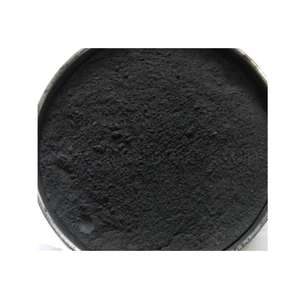
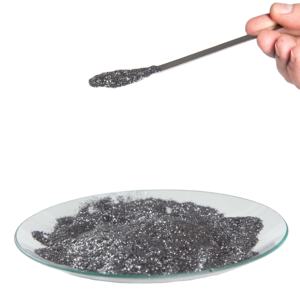
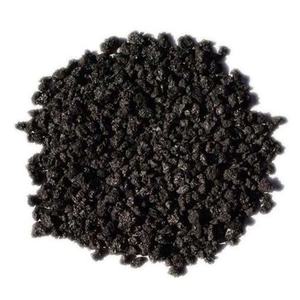
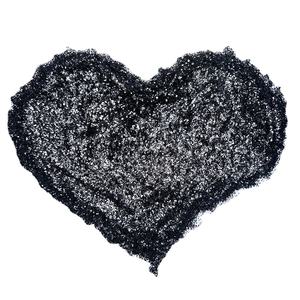
Abrasion-resistant reinforced graphene is a high-performance additive made for fiber-reinforced composites. It enhances surface toughness and expands the life of composite products. The graphene used in this item is particularly treated to bond well with polymer matrices. This solid bond aids avoid wear from rubbing, impact, and extreme environments.
The material contains multi-layer graphene flakes spread equally in a carrier material. This makes certain constant efficiency across the entire composite part. Particle dimension is regulated to stay clear of clumping and to support smooth processing during manufacturing. Common loading levels vary from 0.5% to 2% by weight, depending on the application requires.
This strengthened graphene works well with usual fibers like carbon, glass, and aramid. It does not interfere with conventional treating or molding approaches. Users can include it straight into the material mix prior to layup or injection. No significant modifications to existing assembly line are required.
Evaluating shows considerable gains in abrasion resistance. Composites with this additive last longer under duplicated rubbing, scuffing, or sanding. They also maintain their structural stamina much better in time. Surface area finish remains smoother even after heavy usage.
The product meets market safety standards and is secure under regular storage space conditions. It is available in sealed containers to stop wetness uptake. Shelf life goes to the very least year when maintained dry and cool.
Manufacturers in aerospace, automobile, aquatic, and sporting activities tools industries take advantage of this service. It aids them meet rigorous durability needs without adding much weight or price. Parts made with this additive perform accurately in demanding service problems.
(Abrasion-Resistant Reinforced Graphene for Fiber Reinforced Composites)
Applications of Abrasion-Resistant Reinforced Graphene for Fiber Reinforced Composites
Abrasion-resistant strengthened graphene brings solid benefits to fiber strengthened compounds. These composites often encounter wear from rubbing, impact, or rough atmospheres. Including graphene assists them last much longer under such stress. Graphene is extremely thin yet incredibly difficult. When blended right into the composite matrix, it develops a safety layer that stands up to surface damages. This indicates components made with these materials remain smooth and intact even after duplicated usage.
Producers utilize these boosted composites in aerospace, auto, and aquatic sectors. In airplane, lightweight parts need to take care of constant airflow and particles. Graphene support reduces surface area disintegration without adding weight. Automobiles benefit as well– brake pads, body panels, and undercarriage parts see much less wear gradually. Boats and ships make use of these composites for hulls and props that fight saltwater corrosion and sand abrasion.
The process of including graphene is basic. It blends well with common resins like epoxy or polyester. No major changes to assembly line are required. Workers mix graphene powder into the resin prior to combining it with fibers like carbon or glass. The outcome is an uniform product that maintains its shape and stamina. Examinations reveal substantial improvement in scrape resistance and longevity contrasted to common composites.
Another advantage is set you back performance. Even small amounts of graphene make a large difference. Individuals get better performance without huge rises in product cost. Upkeep expenses go down due to the fact that components do not require constant substitute. This matters for equipment made use of in remote or hard-to-reach places.
Graphene likewise functions well with other additives. It can partner with silica or ceramic particles to boost protection better. Designers can adjust the mix based upon certain requirements. Whether the goal is smoother surfaces, longer life, or better resistance to grit and dirt, abrasion-resistant strengthened graphene delivers real-world outcomes.
Applications of Abrasion-Resistant Reinforced Graphene for Fiber Reinforced Composites
-
Էլեկտրոնիկա: Տրանզիստորներում, սենսորային էկրաններ, և ճկուն էլեկտրոնիկա՝ շնորհիվ իր հաղորդունակության և ճկունության, պոտենցիալ հեղափոխական սարքի դիզայնը.
-
Էներգիայի պահեստավորում: Որպես էլեկտրոդներ մարտկոցներում և գերկոնդենսատորներում, էներգիայի պահպանման հզորության և լիցքավորման արագության բարելավում.
-
Սենսորներ: Բարձր զգայունությունը և հաղորդունակությունը դարձնում են գրաֆենը իդեալական քիմիական և կենսաբանական տվիչների համար.
-
Կոմպոզիտներ: Ամրապնդող նյութեր, ինչպիսիք են պլաստիկը, մետաղներ, և բետոն՝ ամրությունն ու հաղորդունակությունը բարձրացնելու համար.
-
Ջրի զտում: Դրա ատոմային բարակ կառուցվածքը թույլ է տալիս արդյունավետ զտել աղտոտիչները, ներառյալ աղերը, վիրուսներ, և բակտերիաներ.
-
Դեղ: Պոտենցիալ օգտագործումը ներառում է դեղերի առաքման համակարգեր և կենսատվիչներ՝ շնորհիվ իր կենսահամատեղելիության և յուրահատուկ հատկությունների.
Ընկերության պրոֆիլը
Graphne Aerogels-ը քիմիական նյութերի համաշխարհային վստահելի մատակարար է & արտադրող, որն ունի ավելի քան 12 տարվա փորձ գերբարձր որակի աերոգելի և գրաֆենի արտադրանքի տրամադրման գործում.
Ընկերությունն ունի մասնագիտական տեխնիկական բաժին և որակի վերահսկողության բաժին, լավ կահավորված լաբորատորիա, և հագեցած է առաջադեմ փորձարկման սարքավորումներով և հաճախորդների սպասարկման կենտրոնով.
Եթե փնտրում եք բարձրորակ գրաֆեն, օդագել և հարաբերական արտադրանք, խնդրում ենք ազատ զգալ կապվել մեզ հետ կամ սեղմել անհրաժեշտ ապրանքների վրա՝ հարցում ուղարկելու համար.
Վճարման մեթոդներ
L/C, Տ/Տ, Western Union, Paypal, Վարկային քարտ և այլն.
Առաքում
Այն կարող էր առաքվել ծովով, օդային ճանապարհով, կամ շուտափույթ բացահայտման միջոցով մարման անդորրագիրը ստանալուն պես.
FAQs of Abrasion-Resistant Reinforced Graphene for Fiber Reinforced Composites
Ք: Is Abrasion-Resistant Reinforced Graphene for Fiber Reinforced Composites safe for the environment and human health?
Ա: Գրաֆենի շրջակա միջավայրի և առողջության վրա ազդեցությունների վերաբերյալ հետազոտությունները շարունակվում են. Մինչդեռ գրաֆենն ինքնին համարվում է համեմատաբար իներտ, մտահոգություններ կան գրաֆենի օքսիդի և այլ ածանցյալների հնարավոր թունավորության վերաբերյալ, հատկապես ջրային էկոհամակարգերում.
Ք: How is Abrasion-Resistant Reinforced Graphene for Fiber Reinforced Composites produced?
Ա: Գրաֆենը կարող է արտադրվել մի քանի մեթոդներով, ներառյալ մեխանիկական շերտավորումը (կպչուն ժապավենի միջոցով գրաֆիտի շերտերը մաքրելը), քիմիական գոլորշիների նստեցում (CVD), և գրաֆենի օքսիդի քիմիական վերականգնումը.
Ք: Why is Abrasion-Resistant Reinforced Graphene for Fiber Reinforced Composites not yet widely used in commercial products?
Ա: Բարձրորակ գրաֆենի՝ մասշտաբային և ծախսարդյունավետ ձևով արտադրության մարտահրավերները խոչընդոտել են դրա լայն տարածմանը. Լրացուցիչ, Գրաֆենի ինտեգրումը գոյություն ունեցող արտադրական գործընթացներին պահանջում է հետագա տեխնոլոգիական առաջընթացներ.
Ք: Can Abrasion-Resistant Reinforced Graphene for Fiber Reinforced Composites be used to make stronger and lighter materials?
Ա: Բացարձակապես, Գրաֆենի ավելացումը կոմպոզիտային նյութերին զգալիորեն բարելավում է դրանց ամրությունն ու կոշտությունը՝ միաժամանակ նվազեցնելով քաշը, դրանք դարձնելով իդեալական օդատիեզերքի համար, ավտոմոբիլային, և սպորտային սարքավորումներ.
Ք: Does Abrasion-Resistant Reinforced Graphene for Fiber Reinforced Composites have any limitations?
Ա: Մինչդեռ գրաֆենն ունի ակնառու հատկություններ, մարտահրավերները մնում են դրա ողջ ներուժն օգտագործելու հարցում, ինչպիսին է բարձրորակ զանգվածային արտադրության ձեռքբերումը, կառավարում է կոմպոզիտներում նորից տեղադրելու իր միտումը, և անդրադառնալ առողջության և շրջակա միջավայրի հնարավոր մտահոգություններին.
5 FAQs of Abrasion-Resistant Reinforced Graphene for Fiber Reinforced Composites
What is abrasion-resistant reinforced graphene?
It is a special form of graphene added to fiber composites to help them resist wear from rubbing or scraping. This material keeps the composite strong even after repeated contact with rough surfaces.
Why use graphene instead of other additives?
Graphene is very thin but extremely strong. A small amount can greatly improve how well the composite holds up against abrasion. It also adds little weight and does not hurt the flexibility of the final product.
How does it work inside the composite?
The graphene spreads evenly through the resin that binds the fibers. When the surface gets rubbed, the graphene layers act like tiny shields. They take the damage so the fibers underneath stay intact longer.
Is it hard to mix into existing production processes?
Ոչ. Most manufacturers can add it without changing their current methods. It mixes well with common resins like epoxy or polyester. Just follow the recommended dosage to get consistent results.
Does it affect other properties of the composite?
It usually helps more than it hurts. Besides better wear resistance, it often improves stiffness and heat tolerance. Electrical conductivity may also increase slightly, which can be useful in some applications. It does not make the material brittle if used correctly.
(Abrasion-Resistant Reinforced Graphene for Fiber Reinforced Composites)