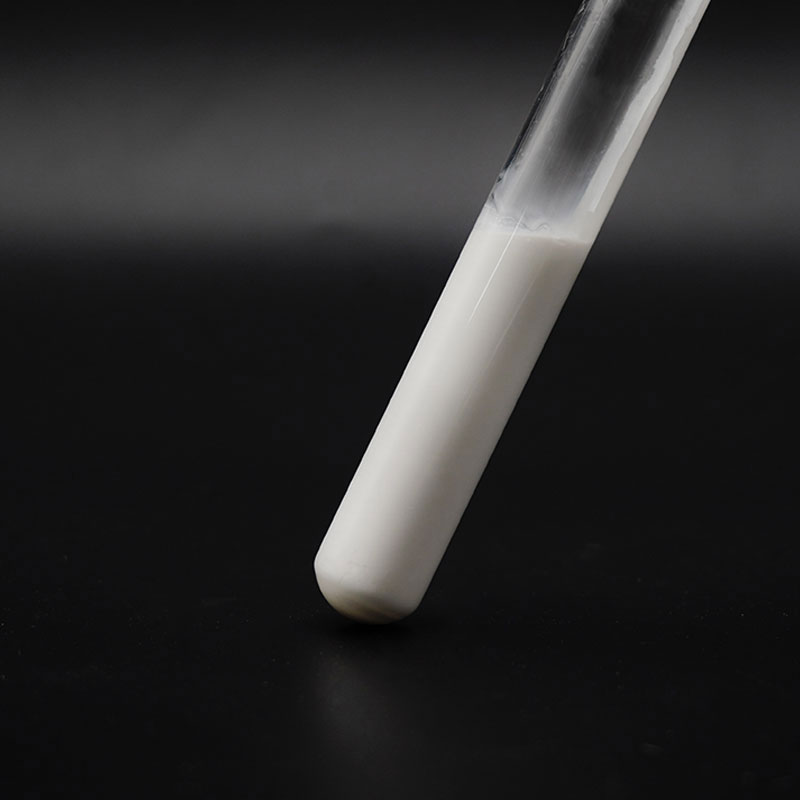
Overview of Ultrasonic Dispersion 20kHz 3000W Ultrasonicator Graphene Dispersion
Graphene bụ otu oyi akwa carbon carbon nke edobere na lattice hexagonal, na-eme ihe nwere akụkụ abụọ nwere ihe ndị dị ịrịba ama. Achọpụtara na 2004, kemgbe ọ matara obodo ndị sayensị na ụlọ ọrụ n'otu n'otu n'ihi njikọta ike ya pụrụ iche, conductivity, na mgbanwe. Graphene bụ n'ezie otu, ewepụghị mpempe akwụkwọ graphite, ihe dị na pensụl ụzọ, ma ihe onwunwe ya dị nnọọ iche ma e kewapụrụ ya n'otu oyi akwa atọm.
Features of Ultrasonic Dispersion 20kHz 3000W Ultrasonicator Graphene Dispersion
-
Ike enweghị atụ: Graphene bụ ihe kacha sie ike mara, na ike tensile nke gburugburu 130 gigapascals, na-akarị ígwè site na ihe karịrị ihe karịrị 100.
-
Oke mgbanwe: N'agbanyeghị ike ya, graphene na-agbanwe nke ukwuu ma nwee ike gbadaa, gbagọrọ agbagọ, ma ọ bụ tụgharịa na-agbajighị.
-
Nrụpụta ọkụ eletrik pụrụiche: Ọ na-enye ọkụ eletrik nke ọma, ya na electrons na-aga n'ike n'ike na-abịaru ọsọ nke ọkụ, na-eme ka ọ dị mma maka ngwá electronic.
-
Nrụpụta okpomọkụ: Graphene bụkwa ezigbo onye nduzi ọkụ, na-agbasa okpomọkụ nke ọma, bara uru na njikwa okpomọkụ.
-
nghọta: Ọ fọrọ nke nta ka ọ pụta ìhè, na-amịkọrọ naanị 2.3% nke ìhè, nke, tinyere ya conductivity, na-eme ka ọ dabara adaba maka electrodes transperent na ngosipụta.
-
Kemịkalụ Inert: Graphene na-eguzogide nke ukwuu na corrosion ma kwụsie ike n'okpuru ọnọdụ kemịkalụ dịgasị iche iche.
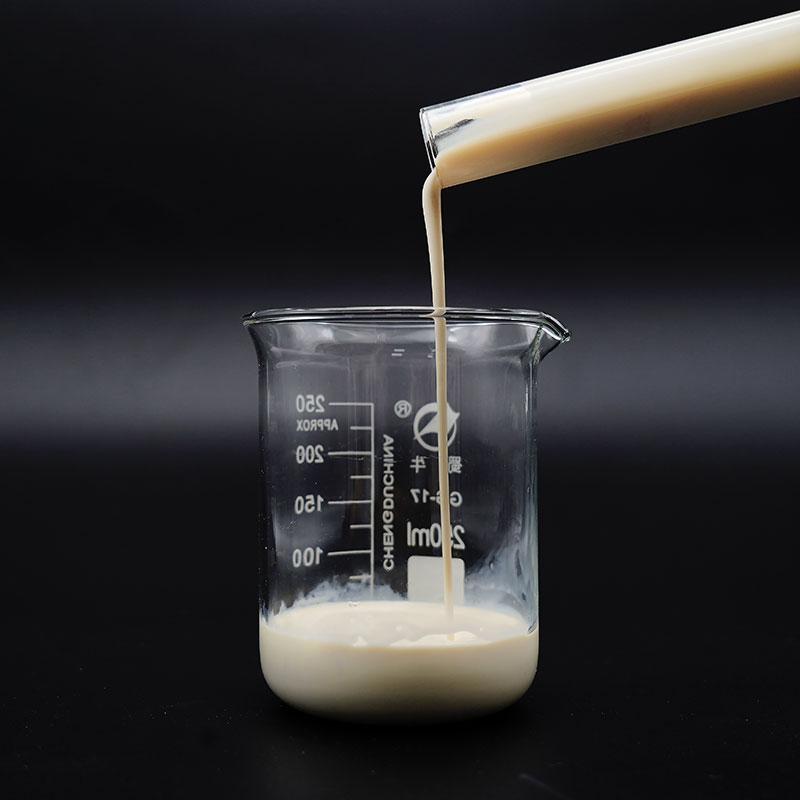
Specification of Ultrasonic Dispersion 20kHz 3000W Ultrasonicator Graphene Dispersion
Ultrasonic Diffusion System– 20kHz, 3000W for Graphene Processing
Powerful and Precise Graphene Dispersion
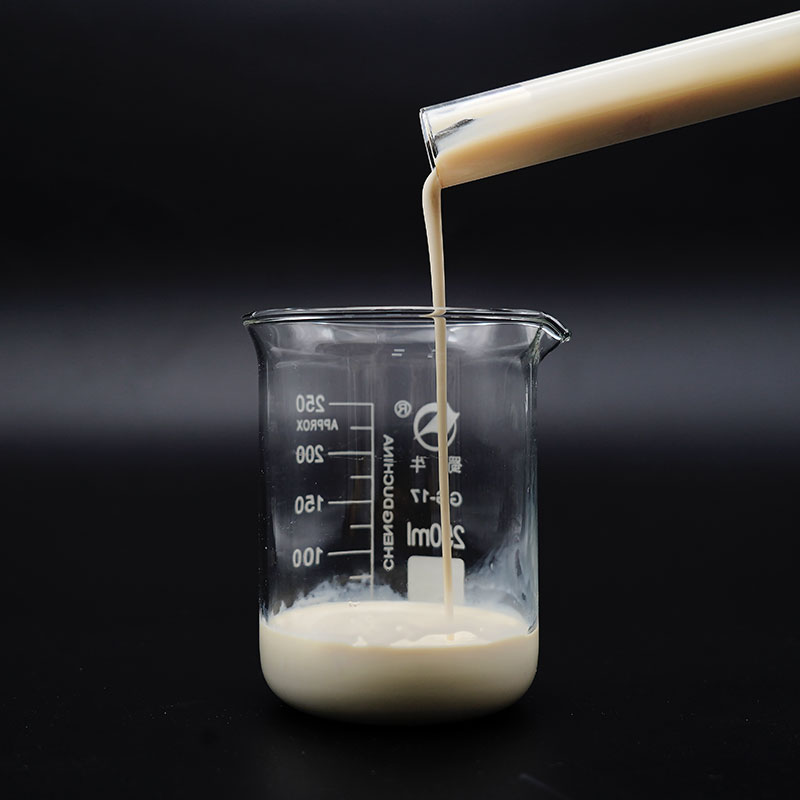
This ultrasonic dispersion system performs at 20kHz with a strong 3000W result , built specifically for breaking down and equally spreading graphene in fluids. It makes use of high-frequency sound waves to create intense cavitation bubbles. When these bubbles collapse, they create effective neighborhood pressures that divide graphene layers without harming their framework.
Consistent outcomes whenever
The unit delivers stable amplitude control, so you obtain the same high-quality dispersion batch after set. Its digital user interface lets you change power degrees, established processing time, and screen efficiency in actual time. This makes it easy to match setups to your precise product demands.
Constructed for durable laboratory or manufacturing use
The titanium alloy probe withstands wear and rust, even during long runs with challenging solvents. The system consists of an automated frequency tracking feature that keeps performance constant as conditions change. Cooling down alternatives assistance manage heat buildup, protecting both your example and the devices.
Easy to run and keep
You do not need special training to use this ultrasonicator. Just place your blend in a container, put the probe, set your parameters, and start. Cleaning up takes just mins. All parts that touch the example are simple to gain access to and replace if needed.
This ultrasonicator functions well with water-based and organic solvent systems. It’s perfect for making conductive inks, composite products, battery slurries, and various other sophisticated applications where uniform graphene distribution matters. Whether you’re running small examinations or scaling up, this system gives you dependable, repeatable dispersion with marginal initiative.
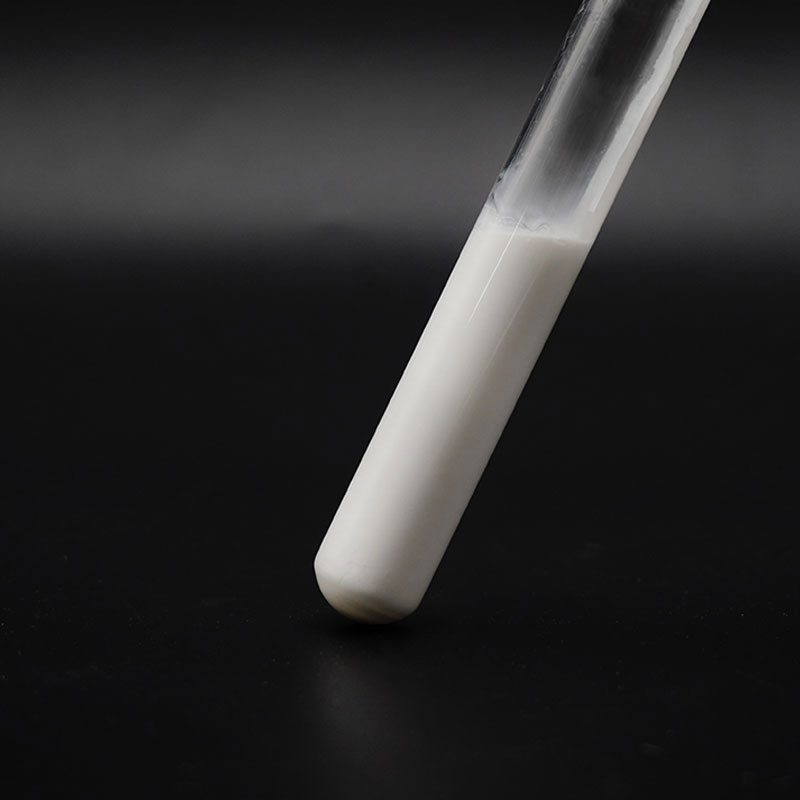
Applications of Ultrasonic Dispersion 20kHz 3000W Ultrasonicator Graphene Dispersion
Effective Ultrasonic Diffusion for Advanced Materials
The 20kHz 3000W Ultrasonicator provides high-intensity ultrasonic energy to break apart and evenly disperse bits in fluids. This makes it excellent for collaborating with tough-to-disperse materials like graphene, carbon nanotubes, and ceramic powders.
Why It Functions So Well for Graphene
Graphene often tends to glob together in solvents. Requirement mixing approaches frequently fail to separate these clusters. The ultrasonicator makes use of solid cavitation– small bubbles that create and collapse quickly– to draw graphene sheets apart without damaging them. This causes secure, uniform dispersions that stay blended longer.
Developed for Heavy-Duty Use
With a 3000-watt outcome and a 20kHz frequency, this device manages large quantities and high-viscosity liquids. Its titanium alloy probe stands up to wear and deterioration, even during lengthy processing runs. Users can change amplitude and run time to match their details material demands.
Common Applications
Scientists and suppliers use this ultrasonicator in lots of fields. In battery advancement, it assists produce much better electrode slurries by evenly spreading conductive ingredients. In compounds, it guarantees nanoparticles are spread uniformly via polymers for stronger, lighter parts. It’s also utilized in layers, inks, and pharmaceuticals where bit dimension and circulation influence efficiency.
Straightforward to Run, Consistent Results
The system includes an intuitive control panel and constant or pulse modes for exact handling. Air conditioning jackets stop overheating throughout extended use. Every batch comes out the same– no uncertainty, no rework.
Whether you’re scaling up lab results or enhancing an industrial procedure, this ultrasonicator provides trusted, repeatable diffusion with very little effort.
Applications of Ultrasonic Dispersion 20kHz 3000W Ultrasonicator Graphene Dispersion
-
Eletrọnịkị: Na transistor, ihuenyo mmetụ, na eletrọnịkị na-agbanwe agbanwe n'ihi ngbanwe ya na mgbanwe ya, nwere ike gbanwee imewe ngwaọrụ.
-
Nchekwa ike: Dị ka electrodes na batrị na supercapacitors, imeziwanye ikike nchekwa ike na ọnụego nchaji.
-
Ihe mmetụta: Mmetụta dị elu na conductivity na-eme ka graphene dị mma maka ihe mmetụta kemịkalụ na nke ndu.
-
Ngwakọta: Ihe na-eme ka ike dị ka plastik, ọla, na ihe iji welie ike na conductivity.
-
Mmiri nzacha: Ọdịdị ya dị gịrịgịrị na-enyere aka nzacha nke mmetọ nke ọma, gụnyere nnu, nje virus, na nje bacteria.
-
Ọgwụ: Enwere ike iji ya gụnyere sistemu nnyefe ọgwụ yana ihe mmetụta bio n'ihi ndakọrịta ya na ihe pụrụ iche.
Nkọwapụta Ụlọ ọrụ
Graphne Aerogels bụ onye na-ebubata kemịkalụ zuru ụwa ọnụ nke ntụkwasị obi & onye na-emepụta ihe karịrị afọ 12 na-enye ngwaahịa airgel na graphene dị elu.
Ụlọ ọrụ ahụ nwere ngalaba nka ọkachamara na Ngalaba Nlekọta Ogo, ụlọ nyocha nke ọma, na kwadebere na elu ule akụrụngwa na mgbe-sales ahịa ọrụ center.
Ọ bụrụ na ị na-achọ graphene dị elu, airgel na ngwaahịa ndị ikwu, biko nweere onwe gị ịkpọtụrụ anyị ma ọ bụ pịa ngwaahịa ndị dị mkpa iji zipu ajụjụ.
Ụzọ ịkwụ ụgwọ
L/C, T/T, Western Union, Paypal, Kaadị kredit wdg.
Mbupu
Enwere ike ibu ya n'oké osimiri, site n'ikuku, ma ọ bụ site na ikpughe ASAP ozugbo nnata nkwụghachi.
FAQs of Ultrasonic Dispersion 20kHz 3000W Ultrasonicator Graphene Dispersion
Q: Is Ultrasonic Dispersion 20kHz 3000W Ultrasonicator Graphene Dispersion safe for the environment and human health?
A: Nnyocha na gburugburu ebe obibi na ahụike nke graphene na-aga n'ihu. Ọ bụ ezie na a na-ewere graphene n'onwe ya dị ka inert, A na-enwe nchegbu gbasara nsi nke graphene oxide na ihe ndị ọzọ nwere ike ime, karịsịa na gburugburu ebe obibi mmiri.
Q: How is Ultrasonic Dispersion 20kHz 3000W Ultrasonicator Graphene Dispersion produced?
A: Enwere ike ịmepụta graphene site n'ọtụtụ ụzọ, gụnyere n'ibu exfoliation (na-ewepụ graphite n'ígwé site na iji teepu nrapado), kemịkalụ vapor ntinye (CVD), na mbelata kemịkalụ nke graphene oxide.
Q: Why is Ultrasonic Dispersion 20kHz 3000W Ultrasonicator Graphene Dispersion not yet widely used in commercial products?
A: Ihe ịma aka dị n'ịmepụta graphene dị elu n'ụzọ dị oke ọnụ na ọnụ ahịa egbochila nkuchi ya zuru ebe niile.. Na mgbakwunye, ijikọ graphene n'ime usoro nrụpụta dị ugbu a chọrọ ọganihu teknụzụ ọzọ.
Q: Can Ultrasonic Dispersion 20kHz 3000W Ultrasonicator Graphene Dispersion be used to make stronger and lighter materials?
A: Kpamkpam, mgbakwunye graphene na ihe ndị mejupụtara na-eme ka ike na isi ike ha dịkwuo mma ma na-ebelata ibu, na-eme ka ha dị mma maka ikuku ikuku, ụgbọ ala, na akụrụngwa egwuregwu.
Q: Does Ultrasonic Dispersion 20kHz 3000W Ultrasonicator Graphene Dispersion have any limitations?
A: Ọ bụ ezie na graphene nwere ihe ndị pụrụ iche, ihe ịma aka na-anọgide na-eji ike ya eme ihe, dị ka nweta elu-edu uka mmepụta, na-ejikwa ọchịchọ ya ịmaliteghachi na ngwakọta, na ilebara nsogbu ahụike na gburugburu ebe obibi nwere ike isi.
5 FAQs of Ultrasonic Dispersion 20kHz 3000W Ultrasonicator Graphene Dispersion
Frequently Asked Questions
What is this ultrasonicator used for?
This 20kHz 3000W ultrasonic device breaks down and spreads materials like graphene evenly in liquids. It works well for making stable dispersions in research labs and industrial production.
Why choose 20kHz frequency?
20kHz gives strong ultrasonic power. This frequency creates big cavitation bubbles that collapse with enough force to separate graphene layers without damaging them too much. It’s a good balance between effectiveness and control.
How does the 3000W power help?
High power means faster and more complete dispersion. With 3000W, the machine can handle thick or large-volume mixtures. It keeps performance steady even during long runs, which is important for consistent results.
Can it damage graphene?
If used correctly, it won’t harm the material. Too much power or too long a time may break graphene sheets. Always follow recommended settings—like pulse mode and proper probe placement—to keep quality high.
Is it hard to operate?
No. The system has simple controls for time, power, and pulse cycles. Most users set it up quickly after a short training. The probe tip goes into the liquid, and the machine does the rest. Regular cleaning and maintenance keep it running smoothly.