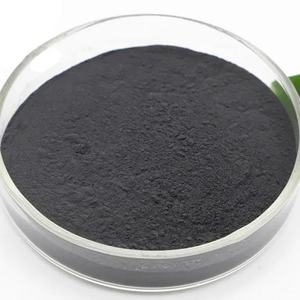
Overview of Graphene for Lithium Battery Research
Graphene dia sosona atôma karbônina iray voalamina ao anaty makarakara hexagonal, mamorona fitaovana roa dimensions manana toetra miavaka. Hita tao amin'ny 2004, hatramin'izay dia nahasarika ny fiarahamonina siantifika sy ny indostria izany noho ny fitambaran'ny tanjany miavaka, conductivity, ary flexibilité. Ny graphene dia tokana ihany, grafita fisaka, ny fitaovana hita amin'ny firaka pensilihazo, fa samy hafa be ny toetrany rehefa atokana ho sosona atomika tokana.
Features of Graphene for Lithium Battery Research
-
Hery tsy manan-tsahala: Graphene no fitaovana matanjaka indrindra fantatra, miaraka amin'ny tanjaky ny tensile manodidina 130 gigapascals, mihoatra ny vy amin'ny anton'ny mihoatra 100.
-
Extreme Flexibility: Na dia eo aza ny heriny, Ny graphene dia tena malefaka ary afaka miforitra, manolana hevi-, na nanakodia tsy tapaka.
-
Conductivity elektrika miavaka: Mitondra herinaratra tena tsara izy io, miaraka amin'ny elektronika mihetsika amin'ny hafainganam-pandeha manatona ny hafainganam-pandehan'ny hazavana, mahatonga azy ho tsara ho an'ny elektronika.
-
Conductivity mafana: Graphene koa dia conducteur mafana tsara, manaparitaka hafanana mahomby, mahasoa amin'ny fampiharana fitantanana hafanana.
-
mangarahara: Saika mangarahara, mitroka ihany 2.3% ny hazavana, IZA, miaraka amin'ny conductivity azy, mahatonga azy ho mety amin'ny electrodes mangarahara amin'ny fampisehoana.
-
Inert simika: Ny Graphene dia tena mahatohitra ny harafesina ary miorina amin'ny toe-javatra simika isan-karazany.
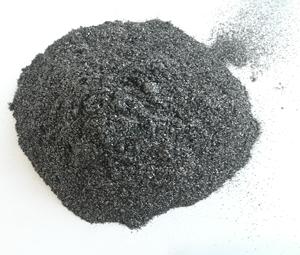
(Graphene for Lithium Battery Research)
Specification of Graphene for Lithium Battery Research
Graphene used in lithium battery study must satisfy particular quality standards to make sure trustworthy efficiency. The product should have a high carbon material, normally over 99%, with marginal oxygen or various other contaminations. Low defect density is crucial due to the fact that flaws can disrupt electron transport and reduce conductivity. Scientists usually prefer single-layer or few-layer graphene, as thicker flakes may hinder ion diffusion within the battery electrode.
The surface of the graphene should be huge, generally above 500 square meters per gram. A high surface supports much better call with active products and boosts fee storage ability. Particle size also matters. Many research studies utilize graphene with lateral dimensions in between 0.5 and 10 micrometers. Smaller sized sheets can pack extra largely, while larger ones may supply far better electrical pathways.
Electrical conductivity is one more essential aspect. Good-quality graphene for battery applications shows conductivity worths surpassing 1,000 siemens per centimeter. This aids electrons move quickly with the electrode throughout billing and discharging. Thermal security is very important too. The product ought to remain secure approximately a minimum of 600 levels Celsius in inert ambiences to make it through standard electrode handling actions.
Dispersion behavior in solvents affects just how easily graphene blends into electrode slurries. Steady diffusions avoid clumping and make certain consistent finishing on present enthusiasts. Lots of labs test dispersibility in water or common natural solvents like NMP before usage. Residual steel catalysts from production, such as nickel or cobalt, need to be kept listed below 100 components per million. These steels can create side responses that break down battery life.
Batch-to-batch consistency is crucial for repeatable experiments. Distributors should supply certificates of evaluation showing pureness, layer count, and area for every whole lot. Scientists rely upon this data to compare outcomes throughout different studies. Appropriate storage in completely dry, closed containers prevents wetness uptake, which can alter graphene’s residential or commercial properties gradually.
(Graphene for Lithium Battery Research)
Applications of Graphene for Lithium Battery Research
Graphene is a single layer of carbon atoms organized in a level honeycomb pattern. It is really slim however solid. Researchers utilize it in lithium battery study due to the fact that it has unique residential properties. Graphene conducts electrical energy well. It also relocates heat quickly and has a huge area. These attributes assist improve battery performance.
In lithium-ion batteries, graphene can be component of the anode. Standard anodes use graphite. Graphene functions better due to the fact that it enables lithium ions to move quicker. This means the battery charges more quickly. It also holds more energy, so the battery lasts longer in between charges.
Researchers mix graphene with other materials like silicon or steel oxides. Silicon shops a great deal of lithium, but it swells when charged. Including graphene aids manage this swelling. The mixture remains steady over lots of fee cycles. This makes the battery more secure and more long lasting.
Graphene also helps in making adaptable batteries. Its thin and bendable nature suits wearable electronic devices. Phones, smartwatches, and clinical gadgets can benefit from this. The product keeps functioning even when curved or twisted.
One more use remains in battery cathodes. Graphene enhances exactly how electrons stream with the cathode material. This boosts power result. It additionally minimizes internal resistance, which lowers warm buildup throughout use.
Scientists are examining graphene-based existing enthusiasts also. These components bring power in and out of the battery. Utilizing graphene makes them lighter and much more effective. That cuts down the overall weight of the battery pack.
In general, graphene brings actual advantages to lithium battery layout. It quickens charging, increases capacity, and adds flexibility. It additionally helps batteries last longer and run cooler. Many laboratories and firms currently focus on transforming these lab results into real products. They aim to make better batteries for phones, vehicles, and renewable resource systems.
Applications of Graphene for Lithium Battery Research
-
ELEKITRONIKA: Amin'ny transistors, touchscreens, ary elektronika mora azo noho ny conductivity sy ny flexibility, mety hanova ny famolavolana fitaovana.
-
Fitehirizana angovo: Toy ny electrodes amin'ny bateria sy ny supercapacitors, fanatsarana ny fitahirizana angovo sy ny tahan'ny famandrihana.
-
Sela Mpandray Hafanana: Ny fahatsapana sy ny conductivity avo dia mahatonga ny graphene ho tonga lafatra ho an'ny sensor simika sy biolojika.
-
Composites: Fanamafisana fitaovana toy ny plastika, metaly, ary beton mba hanatsarana ny hery sy ny conductivity.
-
Fanasivanana rano: Ny firafiny manify atomika dia ahafahana manadio tsara ireo loto, anisan'izany ny sira, na virosy, ary bakteria.
-
Fanafody: Ny fampiasana mety dia misy ny rafitra fanaterana zava-mahadomelina sy ny bio-sensor noho ny biocompatibility sy ny toetra mampiavaka azy.
Piraofilin'ny orinasa
Graphne Aerogels dia mpamatsy akora simika manerantany & mpanamboatra manana traikefa 12 taona mahery amin'ny fanomezana vokatra aerogel sy graphene faran'izay tsara.
Ny orinasa dia manana departemanta teknika matihanina sy Departemantan'ny Fanaraha-maso ny kalitao, laboratoara misy fitaovana tsara, ary manana fitaovana fitiliana avo lenta sy foibe serivisy mpanjifa aorian'ny varotra.
Raha mitady graphene avo lenta ianao, Airgel sy ny vokatra mifandraika, azafady mba mifandraisa aminay na tsindrio ny vokatra ilaina mba handefasana fanadihadiana.
Fomba fandoavam-bola
L/C, T/T, Western Union, Paypal, Carte de crédit sns.
fandefasana
Azo alefa an-dranomasina izany, amin'ny rivotra, na amin'ny alalan'ny fanambarana ASAP raha vantany vao nahazo ny fandoavana vola.
FAQs of Graphene for Lithium Battery Research
Q: Is Graphene for Lithium Battery Research safe for the environment and human health?
ny: Mitohy ny fikarohana momba ny fiantraikan'ny graphene amin'ny tontolo iainana sy ara-pahasalamana. Raha ny graphene aza dia heverina ho tsy misy dikany, Misy ny ahiahy momba ny mety ho poizina amin'ny oxide graphene sy ny derivatives hafa, indrindra amin'ny tontolo iainana anaty rano.
Q: How is Graphene for Lithium Battery Research produced?
ny: Ny graphene dia azo vokarina amin'ny fomba maro, anisan'izany ny exfoliation mekanika (peeling sosona ny graphite mampiasa adhesive kasety), fametrahana etona simika (CVD), ary ny fampihenana simika ny oxide graphene.
Q: Why is Graphene for Lithium Battery Research not yet widely used in commercial products?
ny: Ny fanamby amin'ny famokarana graphene avo lenta amin'ny fomba azo scalable sy lafo vidy dia nanakana ny fananganan'anaka miely patrana.. Fanampin'izany, Ny fampidirana ny graphene amin'ny dingana famokarana efa misy dia mitaky fandrosoana ara-teknolojia bebe kokoa.
Q: Can Graphene for Lithium Battery Research be used to make stronger and lighter materials?
ny: tanteraka, Ny fanampin'ny graphene amin'ny fitaovana mitambatra dia manatsara ny tanjany sy ny hamafiny ary mampihena ny lanjany, mahatonga azy ireo ho tonga lafatra ho an'ny aerospace, fiara, ary fitaovana ara-panatanjahantena.
Q: Does Graphene for Lithium Battery Research have any limitations?
ny: Raha manana fananana miavaka ny graphene, mbola mitoetra ny fanamby amin'ny fampiasana ny fahafahany, toy ny fanatontosana ny famokarana faobe avo lenta, mitantana ny fironany hamerina indray amin'ny fitambarana, ary famahana ny olana mety hitranga amin'ny fahasalamana sy ny tontolo iainana.
5 FAQs of Graphene for Lithium Battery Research
What is graphene?
Graphene is a single layer of carbon atoms arranged in a flat honeycomb pattern. It is very thin yet strong. Scientists use it in lithium battery research because it conducts electricity well and moves ions quickly.
Why is graphene used in lithium batteries?
Lithium batteries need materials that let electricity flow easily and hold a lot of energy. Graphene does both. It helps batteries charge faster and last longer. Its large surface area also supports better chemical reactions inside the battery.
Does graphene improve battery life?
Yes. Adding graphene to battery parts like the anode or cathode reduces wear over time. This means the battery keeps working well after many charge cycles. Graphene also stops parts from breaking down too fast.
Is graphene safe for batteries?
Graphene itself is stable and not toxic. But how it is made and added to batteries matters. Some production methods leave impurities that can cause problems. Researchers work to make clean, safe graphene for battery use.
How expensive is graphene for battery research?
Pure, high-quality graphene costs a lot right now. Making it in large amounts without defects is hard. Many labs test cheaper versions or mix small amounts with other materials. As methods improve, prices may drop enough for wider use.
(Graphene for Lithium Battery Research)