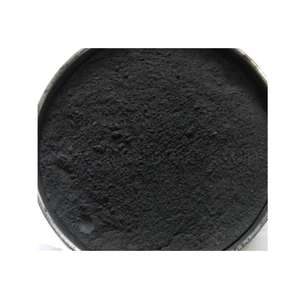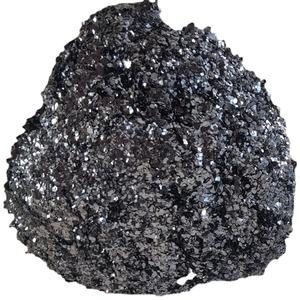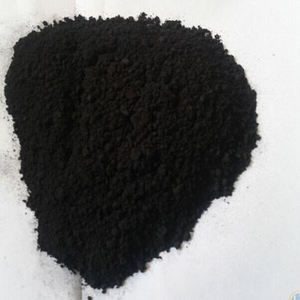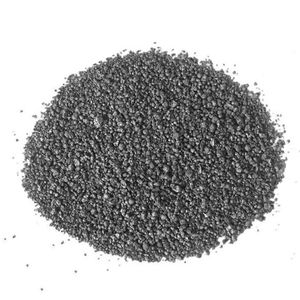
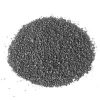
Overview of Graphene for Li-ion Battery
Ko te Graphene he paparanga kotahi o nga ngota waro kua whakaritea i roto i te mahanga hexagonal, te hanga i tetahi rauemi ahu-rua me nga ahuatanga whakamiharo. I kitea i roto i 2004, mai i taua wa ka mau te hapori putaiao me te umanga na te whakakotahitanga ahurei o te kaha, te kawe, me te ngawari. Ko te Graphene he mea kotahi, pepa papatahi o te kauwhata, nga mea i kitea i roto i te mata pene, engari he tino rerekee ona ahuatanga ina wehea ki te paparanga ngota kotahi.
Features of Graphene for Li-ion Battery
-
Te Kaha Taurite: Ko Graphene te mea tino kaha e mohiotia ana, me te kaha tensile a tawhio noa 130 gigapascals, nui rawa atu te rino na te mea o runga 100.
-
Tino Ngoikore: Ahakoa tona kaha, He tino ngawari te graphene ka taea te whakapiko, kopikopiko, ka hurihia ranei kaore i pakaru.
-
Te Kawenga Hiko Motuhake: He pai te whakahaere hiko, me nga irahiko e neke ana i nga tere e tata ana ki te tere o te marama, hanga pai mo te hikohiko.
-
Te Whakawhitinga Ngawha: Ko te Graphene he kaikawe waiariki pai, he pai te whakamarara i te wera, whai hua i roto i nga tono whakahaere wera.
-
Puataata: He tata marama, horomia anake 2.3% o te marama, ko wai, i honoa ki tona kawe, e tika ana mo nga electrodes marama i roto i nga whakaaturanga.
-
He matū korekore: Ko te Graphene he tino atete ki te waikura me te pumau i raro i te whānuitanga o nga tikanga matū.
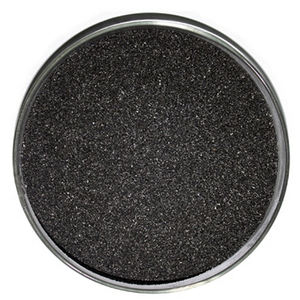
(Graphene for Li-ion Battery)
Specification of Graphene for Li-ion Battery
Graphene utilized in lithium-ion batteries should meet details top quality requirements to function well. The product ought to have a high area, generally over 500 square meters per gram. This assists the battery shop much more power and cost much faster. Purity is also important. Graphene for batteries requires to be at the very least 99% carbon with very few contaminations like oxygen or steels. These contaminations can slow down performance or create safety problems.
The variety of layers matters also. Excellent battery-grade graphene typically has fewer than five layers. Single or double-layer sheets are liked due to the fact that they let lithium ions move conveniently. Thicker stacks reduce efficiency. Flake dimension is one more key point. Many makers try to find flakes between 1 and 10 micrometers. Smaller sized flakes blend much better right into electrode slurries. Bigger ones might not spread out evenly.
Electrical conductivity needs to be high. Graphene must show conductivity above 1,000 siemens per centimeter. This ensures fast electron transfer during charging and discharging. Problems in the framework ought to be minimal. Too many openings or splits in the sheets deteriorate efficiency. Raman spectroscopy is frequently made use of to check defect levels. A reduced D-peak contrasted to the G-peak shows good quality.
Moisture material must remain listed below 1%. Water can respond with battery chemicals and produce gas or warmth. Vendors normally completely dry graphene before product packaging it in sealed containers. The material should also be without solvents or deposits from manufacturing. These leftovers can hinder the electrolyte.
Consistency between batches is crucial. Every shipment should match the same specifications so battery manufacturers do not require to readjust their processes. Examining reports for every set help verify this. Common examinations consist of wager for area, XRD for layer count, and TGA for purity. All these details make sure graphene works reliably inside lithium-ion cells.
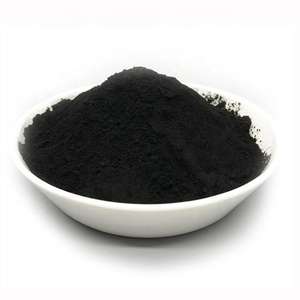
(Graphene for Li-ion Battery)
Applications of Graphene for Li-ion Battery
Graphene is a solitary layer of carbon atoms prepared in a level honeycomb pattern. It is strong, light, and carries out electrical energy quite possibly. These qualities make it beneficial for improving lithium-ion batteries.
One major use of graphene remains in the anode. Standard anodes are made from graphite. Graphene can change or combine with graphite to help lithium ions move faster. This increases charging speed and battery life. Graphene’s huge surface additionally allows more lithium ions attach throughout billing. That indicates the battery can save a lot more power.
Graphene also aids with heat control. Lithium-ion batteries get hot when used a lot. Excessive warm can harm them. Graphene spreads warm equally throughout the battery. This keeps temperature levels stable and makes the battery more secure.
In the cathode, graphene can support active products like lithium cobalt oxide. It includes framework and boosts electrical get in touch with. This results in better performance over numerous charge cycles. The battery remains strong longer without losing power rapidly.
An additional advantage is flexibility. Graphene is bendable however tough. This permits new battery designs that suit rounded or little devices. Wearables and foldable phones can use these sophisticated batteries.
Graphene likewise lowers internal resistance. Less resistance means much less power is wasted as warmth. More power goes to the device rather. This makes the entire system more efficient.
Researchers maintain testing methods to include graphene into batteries at inexpensive. Right now, making top notch graphene in large amounts is still tough. However progression is steady. As production gets much easier, graphene-enhanced batteries will end up being a lot more common. They guarantee quicker billing, longer life, and much better safety and security for daily electronic devices, electrical vehicles, and energy storage space systems.
Applications of Graphene for Li-ion Battery
-
Hikohiko: I roto i nga transistors, mata pa, me te hikohiko ngawari na te kawe me te ngawari, ka huri pea i te hoahoa taputapu.
-
Rokiroki Pungao: Ka rite ki electrodes i roto i pākahiko me supercapacitors, te whakapai ake i te kaha rokiroki pūngao me te utu utu.
-
Pūoko: Ko te kaha o te tairongo me te kawe e pai ana te graphene mo nga pukoro matū me te koiora.
-
Ngā hiato: Te whakapakari i nga taonga penei i te kirihou, konganuku, me te raima hei whakarei ake i te kaha me te kawe.
-
Tātari Wai: Ko tana hanganga angiangi ngota ka taea te tātari pai o nga mea poke, tae atu ki nga tote, wheori, me te huakita.
-
Te rongoa: Ko nga whakamahinga ka taea te whakauru i nga punaha tuku tarukino me nga tohu-koiora na te pai o te koiora me nga taonga ahurei.
Kōtaha Kamupene
Ko Graphne Aerogels he kaiwhakarato rawa matū o te ao & he kaiwhakanao neke atu i te 12-tau te wheako ki te whakarato i nga hua rererangi me te graphene tino kounga teitei.
He tari hangarau ngaio me te Tari Tirotiro Kounga te kamupene, he taiwhanga pai rawa atu, me nga taputapu whakamatautau matatau me te pokapū ratonga kaihoko muri-hoko.
Mena kei te rapu koe mo te graphene kounga teitei, airgel me nga hua whanaunga, Tena koa whakapiri mai ki a maatau, paatohia ranei nga hua e hiahiatia ana hei tuku patai.
Nga Tikanga Utu
L/C, T/T, Western Union, Paypal, Kaari nama etc.
Tukunga
Ka taea te tuku ma te moana, mā te hau, ma te whakaatu ranei i te ASAP i te wa kua tae mai nga utu.
FAQs of Graphene for Li-ion Battery
Q: Is Graphene for Li-ion Battery safe for the environment and human health?
A: Kei te haere tonu nga rangahau mo te taiao me te hauora o te graphene. Ahakoa ko te graphene ano e kiia ana he koretake, kei te awangawanga mo te paitini o te graphene oxide me etahi atu pärönaki, otira ki nga rauwiringa kaiao wai.
Q: How is Graphene for Li-ion Battery produced?
A: Ka taea te whakaputa karepe ma te maha o nga tikanga, tae atu ki te exfoliation miihini (tihorea nga papa o te kauwhata ma te whakamahi i te riipene whakapiri), te tukunga kohu matū (CVD), me te whakaheke matū o te graphene oxide.
Q: Why is Graphene for Li-ion Battery not yet widely used in commercial products?
A: Ko nga wero ki te whakaputa kawhene-kounga teitei i runga i nga tikanga whakaheke me te utu-utu kua aukati i te whanuitanga o te tangohanga.. I tua atu, Ko te whakauru i te graphene ki roto i nga mahi whakangao o naianei me ahu whakamua hangarau.
Q: Can Graphene for Li-ion Battery be used to make stronger and lighter materials?
A: Tino, Ko te taapiri a te graphene ki nga rauemi hiato ka tino whakapai ake i to raatau kaha me te pakari i te wa e whakaheke ana te taumaha, kia pai ai mo te aerospace, waka, me nga taputapu hakinakina.
Q: Does Graphene for Li-ion Battery have any limitations?
A: Ahakoa kei a graphene nga ahuatanga tino pai, kei te noho tonu nga wero ki te whakamahi i tona kaha katoa, penei i te whakatutuki i te hanga papatipu kounga teitei, te whakahaere i te kaha ki te taake ano i roto i nga hiato, me te whakatika i nga raruraru hauora me te taiao.
5 FAQs of Graphene for Li-ion Battery
What is graphene?
Graphene is a single layer of carbon atoms arranged in a flat honeycomb pattern. It is very thin yet strong. It also conducts electricity and heat very well.
Why use graphene in lithium-ion batteries?
Graphene helps batteries charge faster. It also lets them store more energy. This happens because graphene moves electrons quickly and has a large surface area for chemical reactions.
Does graphene make batteries last longer?
Yes. Graphene reduces wear during charging and discharging. It keeps the battery structure stable over many cycles. This means the battery holds its capacity better over time.
Is graphene safe in batteries?
Graphene itself is not toxic. But how it is made and used matters. When handled properly in battery production, it poses no extra safety risk compared to standard materials.
Are graphene batteries available now?
Some products use small amounts of graphene to boost performance. Full graphene-based batteries are still in development. Most current uses mix graphene with other materials to improve existing designs.
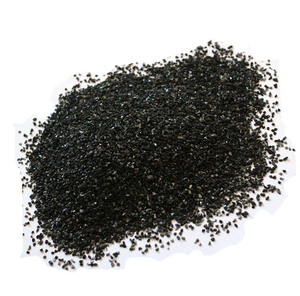
(Graphene for Li-ion Battery)