Overview of Graphene for Lithium Battery Research
Graphene ndi gawo limodzi la maatomu a kaboni opangidwa mu latisi ya hexagonal, kupanga zinthu ziwiri-dimensional ndi zinthu zodabwitsa. Zapezeka mu 2004, kuyambira pamenepo yakopa gulu la asayansi ndi mafakitale chimodzimodzi chifukwa cha kuphatikiza kwake kwapadera kwamphamvu, conductivity, ndi kusinthasintha. Graphene kwenikweni ndi imodzi, pepala lathyathyathya la graphite, zinthu zopezeka mu pensulo lead, koma mawonekedwe ake amasiyana kwambiri akapatulidwa kukhala gawo limodzi la atomiki.
Features of Graphene for Lithium Battery Research
-
Mphamvu Zosayerekezeka: Graphene ndiye chinthu chodziwika bwino kwambiri, ndi mphamvu yamphamvu yozungulira 130 gigapascals, kuposa chitsulo ndi gawo la kupitirira 100.
-
Kusinthasintha Kwambiri: Ngakhale mphamvu zake, graphene ndi yosinthika kwambiri ndipo imatha kupindika, zopindika, kapena kugubuduzika osasweka.
-
Exceptional Electrical Conductivity: Imayendetsa magetsi bwino kwambiri, ndi ma elekitironi akuyenda pa liwiro loyandikira liwiro la kuwala, kuzipanga kukhala zabwino kwa zamagetsi.
-
Thermal Conductivity: Graphene ndiwoyendetsa bwino kwambiri matenthedwe, kumwaza kutentha moyenera, zothandiza pakuwongolera kutentha.
-
Kuwonekera: Ndi pafupifupi kuwonekera, kuyamwa kokha 2.3% wa kuwala, amene, kuphatikiza ndi conductivity yake, imapangitsa kuti ikhale yoyenera maelekitirodi owonekera powonetsa.
-
Chemical Inert: Graphene imagonjetsedwa kwambiri ndi dzimbiri komanso imakhala yokhazikika pansi pamitundu yosiyanasiyana yamankhwala.
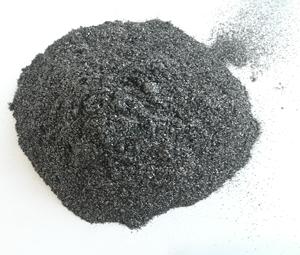
(Graphene for Lithium Battery Research)
Specification of Graphene for Lithium Battery Research
Graphene used in lithium battery study must satisfy particular quality standards to make sure trustworthy efficiency. The product should have a high carbon material, normally over 99%, with marginal oxygen or various other contaminations. Low defect density is crucial due to the fact that flaws can disrupt electron transport and reduce conductivity. Scientists usually prefer single-layer or few-layer graphene, as thicker flakes may hinder ion diffusion within the battery electrode.
The surface of the graphene should be huge, generally above 500 square meters per gram. A high surface supports much better call with active products and boosts fee storage ability. Particle size also matters. Many research studies utilize graphene with lateral dimensions in between 0.5 and 10 micrometers. Smaller sized sheets can pack extra largely, while larger ones may supply far better electrical pathways.
Electrical conductivity is one more essential aspect. Good-quality graphene for battery applications shows conductivity worths surpassing 1,000 siemens per centimeter. This aids electrons move quickly with the electrode throughout billing and discharging. Thermal security is very important too. The product ought to remain secure approximately a minimum of 600 levels Celsius in inert ambiences to make it through standard electrode handling actions.
Dispersion behavior in solvents affects just how easily graphene blends into electrode slurries. Steady diffusions avoid clumping and make certain consistent finishing on present enthusiasts. Lots of labs test dispersibility in water or common natural solvents like NMP before usage. Residual steel catalysts from production, such as nickel or cobalt, need to be kept listed below 100 components per million. These steels can create side responses that break down battery life.
Batch-to-batch consistency is crucial for repeatable experiments. Distributors should supply certificates of evaluation showing pureness, layer count, and area for every whole lot. Scientists rely upon this data to compare outcomes throughout different studies. Appropriate storage in completely dry, closed containers prevents wetness uptake, which can alter graphene’s residential or commercial properties gradually.
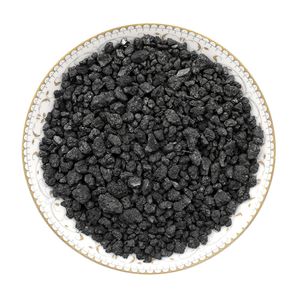
(Graphene for Lithium Battery Research)
Applications of Graphene for Lithium Battery Research
Graphene is a single layer of carbon atoms organized in a level honeycomb pattern. It is really slim however solid. Researchers utilize it in lithium battery study due to the fact that it has unique residential properties. Graphene conducts electrical energy well. It also relocates heat quickly and has a huge area. These attributes assist improve battery performance.
In lithium-ion batteries, graphene can be component of the anode. Standard anodes use graphite. Graphene functions better due to the fact that it enables lithium ions to move quicker. This means the battery charges more quickly. It also holds more energy, so the battery lasts longer in between charges.
Researchers mix graphene with other materials like silicon or steel oxides. Silicon shops a great deal of lithium, but it swells when charged. Including graphene aids manage this swelling. The mixture remains steady over lots of fee cycles. This makes the battery more secure and more long lasting.
Graphene also helps in making adaptable batteries. Its thin and bendable nature suits wearable electronic devices. Phones, smartwatches, and clinical gadgets can benefit from this. The product keeps functioning even when curved or twisted.
One more use remains in battery cathodes. Graphene enhances exactly how electrons stream with the cathode material. This boosts power result. It additionally minimizes internal resistance, which lowers warm buildup throughout use.
Scientists are examining graphene-based existing enthusiasts also. These components bring power in and out of the battery. Utilizing graphene makes them lighter and much more effective. That cuts down the overall weight of the battery pack.
In general, graphene brings actual advantages to lithium battery layout. It quickens charging, increases capacity, and adds flexibility. It additionally helps batteries last longer and run cooler. Many laboratories and firms currently focus on transforming these lab results into real products. They aim to make better batteries for phones, vehicles, and renewable resource systems.
Applications of Graphene for Lithium Battery Research
-
Zamagetsi: Mu transistors, touchscreens, ndi zamagetsi zosinthika chifukwa cha kusinthasintha kwake komanso kusinthasintha, zotheka kusintha kamangidwe ka chipangizo.
-
Kusungirako Mphamvu: Monga ma electrode mu mabatire ndi ma supercapacitors, kupititsa patsogolo mphamvu yosungiramo mphamvu ndi mitengo yolipiritsa.
-
Zomverera: Kukhudzika kwakukulu ndi kusinthika kumapangitsa graphene kukhala yabwino kwa masensa am'madzi ndi zachilengedwe.
-
Zophatikiza: Kulimbitsa zinthu ngati mapulasitiki, zitsulo, ndi konkriti kuti muwonjezere mphamvu ndi conductivity.
-
Kusefera kwa Madzi: Kapangidwe kake kakang'ono ka atomu kumathandizira kusefa koyenera kwa zonyansa, kuphatikizapo mchere, ma virus, ndi bacteria.
-
Mankhwala: Zomwe zitha kugwiritsidwa ntchito zikuphatikiza machitidwe operekera mankhwala ndi ma bio-sensor chifukwa cha kuyanjana kwake ndi zinthu zapadera.
Mbiri Yakampani
Graphne Aerogels ndi ogulitsa odalirika padziko lonse lapansi & wopanga yemwe ali ndi zaka zopitilira 12 popereka zinthu zapamwamba kwambiri za airgel ndi graphene.
Kampaniyo ili ndi dipatimenti yaukadaulo yaukadaulo ndi dipatimenti yoyang'anira Quality, labotale yokhala ndi zida zokwanira, ndi okonzeka ndi zipangizo kuyezetsa patsogolo ndi pambuyo-malonda malo utumiki kasitomala.
Ngati mukuyang'ana ma graphene apamwamba kwambiri, airgel ndi zinthu wachibale, chonde omasuka kulankhula nafe kapena dinani zinthu zofunika kutumiza kufunsa.
Njira Zolipirira
L/C, T/T, Western Union, Paypal, Credit Card etc.
Kutumiza
Ikhoza kutumizidwa panyanja, ndi mpweya, kapena kuwululira ASAP mukangolandira risiti yobweza.
FAQs of Graphene for Lithium Battery Research
Q: Is Graphene for Lithium Battery Research safe for the environment and human health?
A: Kafukufuku wokhudza chilengedwe ndi thanzi la graphene akupitilira. Ngakhale graphene yokha imatengedwa ngati inert, nkhawa zilipo za kawopsedwe wa graphene oxide ndi zotumphukira zina, makamaka m’zamoyo za m’madzi.
Q: How is Graphene for Lithium Battery Research produced?
A: Graphene imatha kupangidwa m'njira zingapo, kuphatikizapo makina exfoliation (kupukuta zigawo za graphite pogwiritsa ntchito tepi yomatira), kuyika kwa nthunzi wa mankhwala (CVD), ndi kuchepetsa mankhwala a graphene oxide.
Q: Why is Graphene for Lithium Battery Research not yet widely used in commercial products?
A: Zovuta popanga ma graphene apamwamba kwambiri panjira yowongoka komanso yotsika mtengo zalepheretsa kukhazikitsidwa kwake kofala.. Kuphatikiza apo, kuphatikiza graphene mu njira zopangira zomwe zilipo kumafuna kupita patsogolo kwaukadaulo.
Q: Can Graphene for Lithium Battery Research be used to make stronger and lighter materials?
A: Mwamtheradi, Kuphatikiza kwa graphene kuzinthu zophatikizika kumawonjezera mphamvu ndi kuuma kwawo ndikuchepetsa kulemera, kuwapanga kukhala abwino kwazamlengalenga, zamagalimoto, ndi zida zamasewera.
Q: Does Graphene for Lithium Battery Research have any limitations?
A: Ngakhale graphene ali ndi zinthu zabwino kwambiri, mavuto akadali pakugwiritsa ntchito mphamvu zake zonse, monga kukwaniritsa kupanga kwapamwamba kwambiri, kuwongolera chizolowezi chake chokhazikika mu kompositi, ndi kuthetsa mavuto omwe angakhalepo pa thanzi ndi chilengedwe.
5 FAQs of Graphene for Lithium Battery Research
What is graphene?
Graphene is a single layer of carbon atoms arranged in a flat honeycomb pattern. It is very thin yet strong. Scientists use it in lithium battery research because it conducts electricity well and moves ions quickly.
Why is graphene used in lithium batteries?
Lithium batteries need materials that let electricity flow easily and hold a lot of energy. Graphene does both. It helps batteries charge faster and last longer. Its large surface area also supports better chemical reactions inside the battery.
Does graphene improve battery life?
Yes. Adding graphene to battery parts like the anode or cathode reduces wear over time. This means the battery keeps working well after many charge cycles. Graphene also stops parts from breaking down too fast.
Is graphene safe for batteries?
Graphene itself is stable and not toxic. But how it is made and added to batteries matters. Some production methods leave impurities that can cause problems. Researchers work to make clean, safe graphene for battery use.
How expensive is graphene for battery research?
Pure, high-quality graphene costs a lot right now. Making it in large amounts without defects is hard. Many labs test cheaper versions or mix small amounts with other materials. As methods improve, prices may drop enough for wider use.
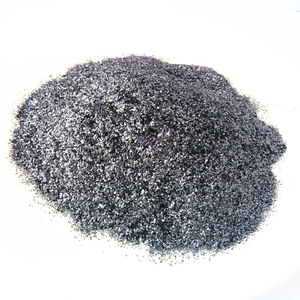
(Graphene for Lithium Battery Research)