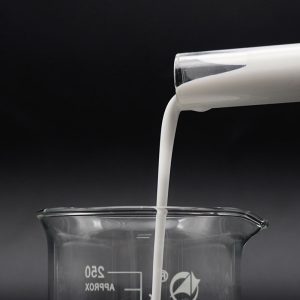
Overview of Aerogel Powder
Aerogel Powder is derived from a gel in which the liquid component has been replaced by gas, resulting in a solid matrix with extremely high porosity (typically >90%) and a labyrinth of nanometer-sized pores. This unique structure is processed and ground into a fine, hydrophobic powder while preserving its legendary properties. It is chemically inert, non-toxic, and offers an extraordinary combination of lightness and performance in an easy-to-integrate form factor.
Features of Aerogel Powder
Unmatched Thermal Insulation: Possesses the lowest thermal conductivity of any known solid, providing superior insulating efficiency in minimal space.
Extremely Low Density: One of the lightest solid materials on Earth, reducing weight in composites and coatings.
High Surface Area: A single gram can have a surface area exceeding 600-800 m², enabling exceptional adsorption and catalytic support capabilities.
Hydrophobic Nature: Treated to repel water, ensuring stable performance in humid environments and preventing moisture damage.
Excellent Dispersion: Fine powder form allows for uniform mixing into polymers, coatings, plasters, and liquid systems.
Chemical & Fire Resistance: Inherently inert and offers significant fire-retardant properties, enhancing product safety.
Versatile Integration: Can be incorporated into a wide range of matrices—from epoxies and paints to textiles and concretes.
Applications of Aerogel Powder
Advanced Composites: Lightweight filler for aerospace, automotive, and marine components to improve insulation and reduce weight.
High-Performance Coatings & Paints: Creates ultra-thin, insulating, and protective coatings for industrial pipes, storage tanks, and building envelopes.
Energy Sector: Insulation for downhole pipes in oil & gas, LNG transport, and high-temperature process equipment.
Building Materials: Additive for plasters, renders, and specialized concretes to enhance thermal performance without significant thickness.
Electronics & Batteries: Used as a separator or functional filler in batteries for thermal management and safety; substrate for sensors.
Life Sciences & Catalysis: Ultra-high surface area makes it an ideal carrier for catalysts, adsorbents, and in chromatographic systems.
Consumer & Outdoor Gear: Integrated into polymers for insulated apparel, footwear, and high-tech equipment requiring minimal weight and bulk.
Company Profile
Graphene Aerogels is a trusted global chemical material supplier & manufacturer with over 12-year-experience in providing super high-quality graphene, aerogel and relative products.
The company has a professional technical department and Quality Supervision Department, a well-equipped laboratory, and equipped with advanced testing equipment and after-sales customer service center.
If you are looking for high-quality graphene, aerogel and relative products, please feel free to contact us or click on the needed products to send an inquiry.
Payment Methods
L/C, T/T, Western Union, Paypal, Credit Card etc.
Shipment
It could be shipped by sea, by air, or by reveal ASAP as soon as repayment receipt.
5 FAQs of Aerogel Powder
1. How is Aerogel Powder different from monolithic (solid sheet/blanket) aerogel?
Aerogel Powder offers ultimate formulation flexibility. While monolithic aerogels are fixed shapes, the powder can be blended, mixed, or embedded into other materials to create composite systems with enhanced properties, enabling entirely new applications.
2. Is Aerogel Powder safe to handle?
Yes, but standard precautions for handling fine powders should be followed. Use in a well-ventilated area and wear a dust mask (NIOSH N95) to avoid inhalation. It is non-toxic and chemically inert. Always refer to the Safety Data Sheet (SDS) for detailed guidelines.
3. What is the recommended loading percentage when mixing into resins or coatings?
Optimal loading depends on the base material and desired properties (insulation, density, viscosity). Typical loadings range from 1% to 10% by weight. We recommend starting with small trials to determine the ideal ratio for your specific process and performance requirements.
4. Can Aerogel Powder withstand high temperatures?
Yes. Depending on its specific chemistry (e.g., silica-based), it can typically withstand continuous exposure to temperatures exceeding 500°C while maintaining its insulating structure, making it suitable for many high-temperature industrial applications.
5. How should I store Aerogel Powder?
Store in a cool, dry place in its original, tightly sealed container. Its hydrophobic nature protects it from moisture degradation, but keeping it sealed prevents contamination and ensures long-term stability and free-flowing characteristics.
-
-
-
 Aerogel Powder
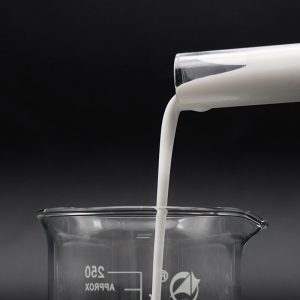
Factory High Quality Aerogel Powder Aerogel Silica Powder
-
-
 Aerogel Powder
Factory Silica Aerogel Powder with High Hydrophobic
-
-
 Aerogel Powder
Powder Industrial Production Aerogel Particle Aerogel Powder
-
 Aerogel Powder
Factory Direct Hydrophobic Type Aerogel Powder
-
-
-
-