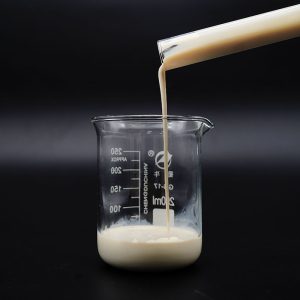
Introduction to Aerogel
Aerogels are ultralight porous materials that have been described as “fum înghețat” or solid clouds due to their ethereal appearance. They were first created in 1931 by American chemist Samuel S. Kistler, who was attempting to replace the liquid in gels with gas without collapsing the gel’s structure. Aerogels are composed of a network of solid particles interconnected in a highly porous three-dimensional matrix, which is filled with air, giving them their extremely low density and high porosity.
Features of Aerogel
Low Density: Aerogels can be less than 3 mg/cm³, making them one of the lightest solid materials known.
Porozitate ridicată: They typically have more than 95% porosity, with a vast internal surface area.
Thermal Insulation: Due to their high porosity and low thermal conductivity, aerogels are excellent insulators.
Sound Absorption: Their porous structure allows for good acoustic insulation properties.
Optical Transparency: Some aerogels, particularly silica aerogels, can be optically transparent, similar to glass.
Mechanical Strength: Despite being lightweight, certain aerogels can exhibit high mechanical strength relative to their weight.
Hydrophobicity: Some aerogels can be treated to be water-repellent, making them suitable for various environmental conditions.
Applications of Aerogel
Building Insulation: Aerogel blankets and panels are used for energy-efficient building insulation.
Aerospace Industry: Used in spacecraft for their insulation and lightweight properties, including heat shields and re-entry vehicles.
Oil Cleanup: Hydrophobic aerogels can absorb oil but repel water, useful in cleaning up oil spills.
Catalysts: In chemical processes, aerogels serve as efficient catalyst supports due to their large surface area.
Clothing and Footwear: Used in high-performance garments and shoes for insulation and comfort.
Military Applications: For protective gear and ballistic protection due to their shock absorption capabilities.
Electronice: As thermal barriers in high-density electronic devices to prevent overheating.
Profilul Companiei
Graphene Aerogels is a trusted global chemical material supplier & manufacturer with over 12-year-experience in providing super high-quality graphene, aerogel și produse relative.
Compania are un departament tehnic profesionist și un departament de supraveghere a calității, un laborator bine echipat, și echipat cu echipamente de testare avansate și centru de servicii pentru clienți post-vânzare.
Dacă sunteți în căutarea grafenului de înaltă calitate, aerogel și produse relative, nu ezitați să ne contactați sau să faceți clic pe produsele necesare pentru a trimite o întrebare.
Metode de plată
L/C, T/T, Western Union, Paypal, Card de credit etc.
Expediere
Poate fi expediat pe mare, pe calea aerului, sau prin dezvăluire cât mai curând posibil de îndată ce primirea rambursării.
FAQs about Aerogel
What is the world record for the lightest aerogel?
The lightest aerogel on record is an aerographite, which has a density of only 0.18 mg/cm³.
Is aerogel flammable?
Pure silica aerogel is not flammable, but aerogels made from other materials can be combustible depending on their composition.
Can aerogel be recycled?
Recycling aerogels can be challenging due to their unique properties, but research is ongoing to develop methods for recycling these materials.
How much does aerogel cost?
Aerogels can be expensive, with costs varying widely depending on the type and quantity. Prices can range from tens to hundreds of dollars per cubic meter.
What are the health risks associated with aerogel?
În timp ce aerogelurile sunt în general considerate sigure, dust inhalation during handling can be harmful. Appropriate safety measures should be taken when working with aerogels.
-
-
-
-
-
-
-
-
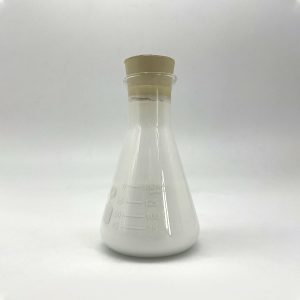 Aerogel
Energy Saving Aerogel Insulation
-
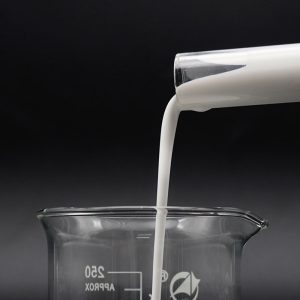 Aerogel
Aerogel-Thermal-Insulation Cover
-
-
-