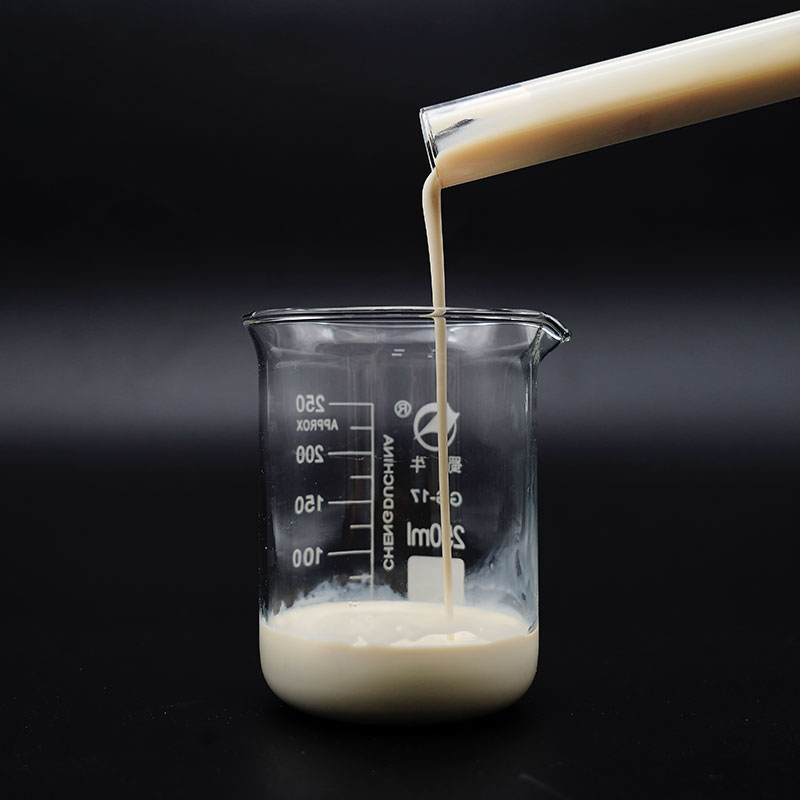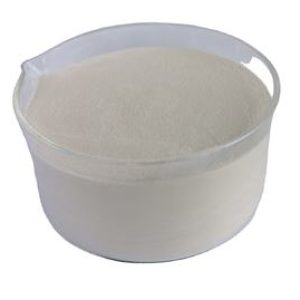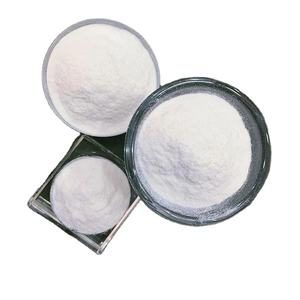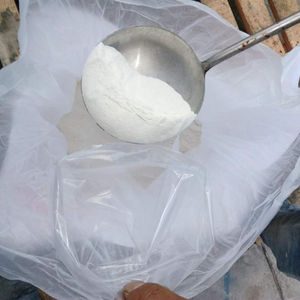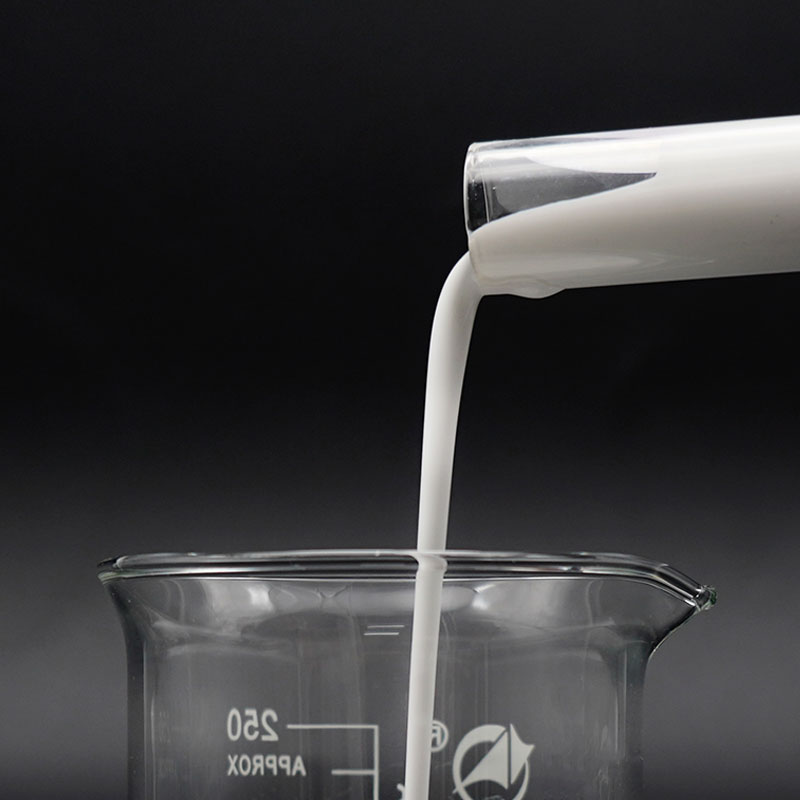
Overview of Thermal Insulation Material White Silica Aerogel Powder Particles
Aerogel powder is the granular form of the world’s lightest solid material, often called “frozen smoke.” This nanoporous substance is created by replacing the liquid in a gel with gas, resulting in an ultra-low-density solid with extraordinary properties. Our aerogel powder retains the exceptional qualities of monolithic aerogels in a versatile, easy-to-integrate format for diverse industrial and research applications.
Features of Thermal Insulation Material White Silica Aerogel Powder Particles
-
Extremely Low Thermal Conductivity: Offers superior insulation performance, even in extreme environments.
-
Porosity e phahameng & Surface Area: Features a nanoporous structure with a surface area exceeding 600 m²/g for exceptional adsorption and catalytic potential.
-
Ultra-Low Density: One of the lightest solid materials known to man.
-
Hydrophobic or Hydrophilic Options: Available in formulations that either repel or absorb water to suit specific application needs.
-
Excellent Fire Resistance: Inorganic silica-based powder is inherently non-flammable and can withstand high temperatures.
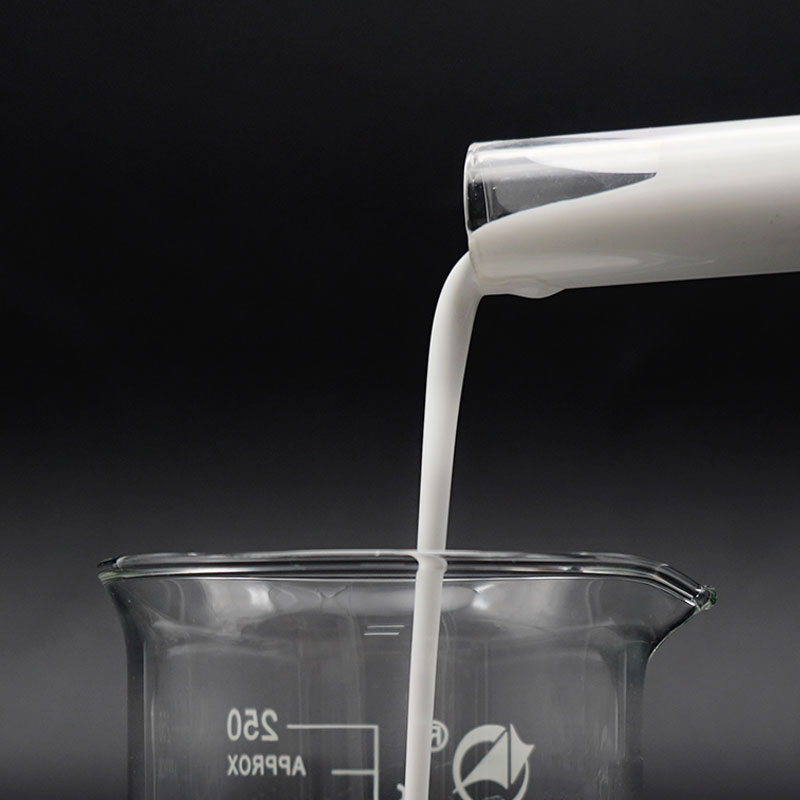
Specification of Thermal Insulation Material White Silica Aerogel Powder Particles
White Silica Aerogel Powder– High-Performance Thermal Insulation Material
Ultra-Lightweight with Remarkable Insulating Power
White silica aerogel powder is one of the lightest strong products readily available today. It uses exceptional thermal insulation performance thanks to its distinct nanostructure. Over 90% of its volume is air entraped within a network of silica nanoparticles. This framework reduces warm transfer really successfully.
The powder kind makes it very easy to mix right into coverings, lipolasetere, and composite products. You can use it in developing insulation, commercial piping, or protective apparel. It functions well also in tight rooms where typical insulation can not fit.
Secure, Safe, and Easy to Deal with
This aerogel powder stays stable across a large temperature level range– from -200 ° C to +650 °C. It does not shed, melt, or launch toxic fumes under typical conditions. The product is hydrophobic, which implies it withstands dampness and maintains its insulating capacity also in humid settings.
White silica aerogel powder is non-toxic and meets common safety and security guidelines for managing. It generates minimal dirt during usage, lowering wellness threats for employees. Always adhere to standard safety and security techniques like wearing handwear covers and a mask when collaborating with fine powders.
Technical Emphasizes
– Thickness: 50– 150 kg/m TWO.
– Thermal conductivity: as reduced as 0.013 W/( m · K) at area temperature level.
– Particle size: typically 1– 10 micrometers.
– Purity: over 99% amorphous silica.
– Color: bright white.
Producers worth this product for its uniformity and integrity. It helps cut energy prices and boost thermal efficiency in several applications. Since it’s so light, delivery and setup costs stay reduced. The powder blends smoothly right into various other products without clumping or settling also quickly.
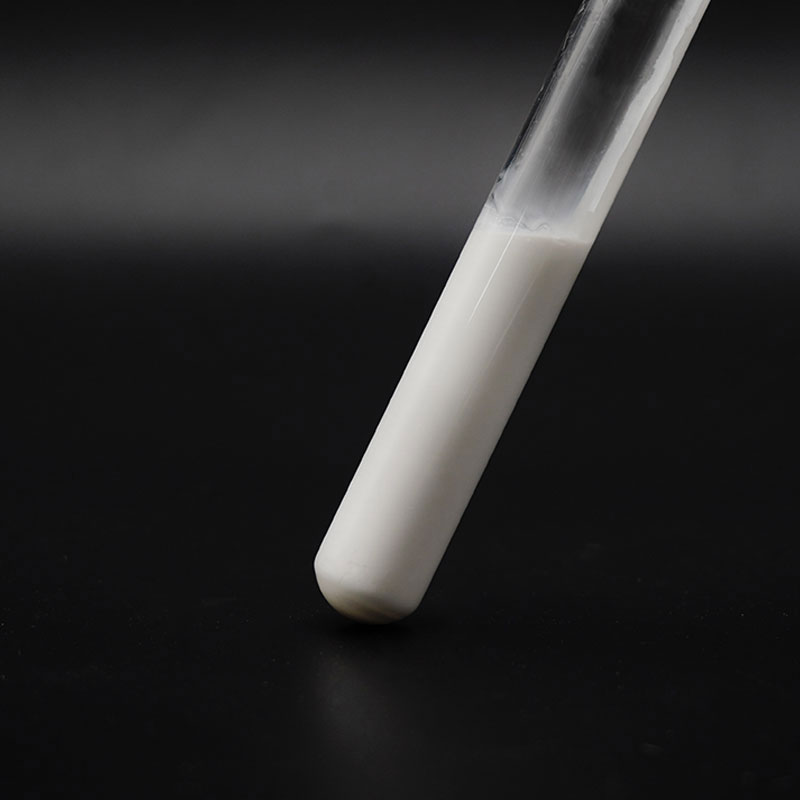
Applications of Thermal Insulation Material White Silica Aerogel Powder Particles
Applications of White Silica Aerogel Powder Particles
Superior Thermal Insulation for Demanding Atmospheres
White silica aerogel powder particles use outstanding thermal insulation efficiency. Their framework includes approximately 95% air, which considerably lowers warm transfer. This makes them optimal for usage where room is limited yet high insulation is required.
These fragments are frequently contributed to layers and paints. When mixed in, they create a thin yet very effective shielding layer on wall surfaces, roofings, or pipelines. The result is reduced energy loss and boosted temperature control without adding mass.
In the building market, silica aerogel powder enhances insulation in plasters, fana, and panels. It helps buildings satisfy stringent energy efficiency requirements while keeping wall surface density minimal. This is especially helpful in metropolitan areas where every inch of room issues.
Manufacturers also use this product in industrial setups. It protects pipes, litanka tsa polokelo, and procedure devices that operate at severe temperature levels. The powder resists both high cold and heat, securing systems from thermal stress and lowering operational costs.
Flexible Usage Across Several Markets
Beyond building and construction and market, white silica aerogel powder finds use in customer items. It is incorporated into outside equipment like coats and resting bags to offer light-weight heat. In appliances such as refrigerators and water heaters, it boosts energy effectiveness by decreasing warm leakage.
The material is non-toxic, chemically secure, and hydrophobic when treated effectively. This makes sure long-lasting performance even in moist or wet problems. Its fine bit dimension permits easy mixing right into different matrices, including polymers, adhesives, and cementitious systems.
Since it shows infrared radiation and restrictions conduction, silica aerogel powder delivers regular insulation throughout a wide temperature range. This reliability sustains development in eco-friendly building, lasting production, and energy-saving technologies.
Boemo ba Khoebo
Graphne Aerogels ke morekisi ea tšepahalang oa thepa ea lik'hemik'hale lefatšeng ka bophara & moetsi ea nang le boiphihlelo bo fetang lilemo tse 12 ho fana ka lihlahisoa tsa boleng bo holimo tsa airgel le graphene.
Khampani e na le lefapha la litsebi tsa theknoloji le Lefapha la Tlhokomelo ea Boleng, laboratori e nang le lisebelisoa hantle, hape e na le lisebelisoa tse tsoetseng pele tsa tlhahlobo le setsi sa litšebeletso tsa bareki ka mor'a thekiso.
Haeba u batla graphene ea boleng bo holimo, airgel le lihlahisoa tse amanang, ka kopo ikutloe u lokolohile ho ikopanya le rona kapa tobetsa lihlahisoa tse hlokahalang ho romella lipatlisiso.
Mekhoa ea Tefo
L/C, T/T, phetiso ea chelete e bitsoang western union, Paypal, Credit Card etc.
Thomello
E ne e ka tsamaisoa ka sekepe, ka moea, kapa ka ho senola ASAP hang feela ha resiti ea tefo.
5 FAQs of Thermal Insulation Material White Silica Aerogel Powder Particles
What is white silica aerogel powder?
White silica aerogel powder is a lightweight material made mostly of air and silica. It looks like fine white dust. This powder has tiny pores that trap air, which helps block heat transfer. Ka lebaka la sena, it works very well as a thermal insulator.
Why is it used for insulation?
It has one of the lowest thermal conductivities among solid materials. That means heat moves through it very slowly. When added to coatings, paints, or building materials, it greatly reduces heat loss or gain. This makes buildings, liphaephe, and equipment more energy efficient.
Na ho bolokehile ho tšoara?
Ee, when used correctly. The powder is non-toxic and chemically stable. Leha ho le joalo, you should avoid breathing in fine particles. Always wear gloves, eye protection, and a dust mask during handling. Store it in a dry place away from moisture.
How is it applied in real-world products?
Manufacturers mix the powder into plasters, sealants, paints, and insulation boards. It can also be packed into blankets or panels for industrial use. Because it’s so light, only a small amount is needed to improve insulation performance without adding much weight.
Does moisture affect its performance?
Silica aerogel is somewhat hydrophobic, meaning it resists water. Leha ho le joalo, long-term exposure to high humidity or liquid water can reduce its insulating ability. Bakeng sa liphetho tse ntle, it should be used inside sealed systems or combined with moisture barriers in damp environments.