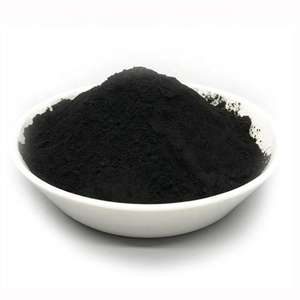
Overview of Graphene for Lithium Battery Research
گرافین کاربن ایٹموں کی ایک واحد تہہ ہے جو ہیکساگونل جالی میں ترتیب دی گئی ہے۔, قابل ذکر خصوصیات کے ساتھ دو جہتی مواد کی تشکیل. میں دریافت ہوا۔ 2004, اس کے بعد سے اس نے اپنی طاقت کے منفرد امتزاج کی وجہ سے سائنسی برادری اور صنعت کو یکساں طور پر موہ لیا ہے۔, چالکتا, اور لچک. گرافین بنیادی طور پر ایک واحد ہے۔, گریفائٹ کی فلیٹ شیٹ, پنسل لیڈ میں پایا جانے والا مواد, لیکن جب ایک ایٹمی تہہ میں الگ تھلگ کیا جاتا ہے تو اس کی خصوصیات بہت مختلف ہوتی ہیں۔.
Features of Graphene for Lithium Battery Research
-
بے مثال طاقت: گرافین سب سے مضبوط معلوم مواد ہے۔, ارد گرد کی تناؤ کی طاقت کے ساتھ 130 gigapascals, اوور کے عنصر سے اسٹیل کو پیچھے چھوڑنا 100.
-
انتہائی لچکدار: اپنی طاقت کے باوجود, گرافین انتہائی لچکدار ہے اور جھکا جا سکتا ہے۔, مڑا ہوا, یا توڑے بغیر رول کیا جاتا ہے۔.
-
غیر معمولی برقی چالکتا: یہ غیر معمولی طور پر اچھی طرح سے بجلی چلاتا ہے۔, روشنی کی رفتار کے قریب آنے والی رفتار سے الیکٹران کے ساتھ, اسے الیکٹرانکس کے لیے مثالی بنانا.
-
تھرمل چالکتا: گرافین ایک بہترین تھرمل موصل بھی ہے۔, گرمی کو مؤثر طریقے سے پھیلانا, گرمی کے انتظام کی ایپلی کیشنز میں مفید.
-
شفافیت: یہ تقریباً شفاف ہے۔, صرف جذب 2.3% روشنی کی, جو, اس کی چالکتا کے ساتھ مل کر, اسے ڈسپلے میں شفاف الیکٹروڈ کے لیے موزوں بناتا ہے۔.
-
کیمیاوی طور پر غیر فعال: گرافین سنکنرن کے خلاف انتہائی مزاحم اور کیمیائی حالات کی ایک وسیع رینج میں مستحکم ہے۔.
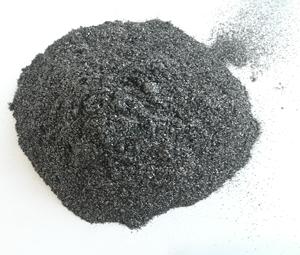
(Graphene for Lithium Battery Research)
Specification of Graphene for Lithium Battery Research
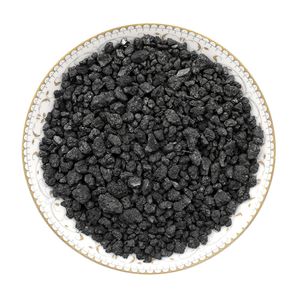
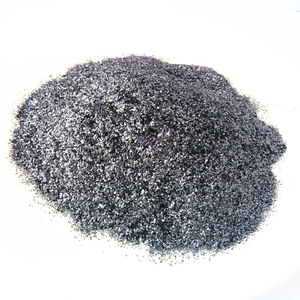
Graphene used in lithium battery study must satisfy particular quality standards to make sure trustworthy efficiency. The product should have a high carbon material, normally over 99%, with marginal oxygen or various other contaminations. Low defect density is crucial due to the fact that flaws can disrupt electron transport and reduce conductivity. Scientists usually prefer single-layer or few-layer graphene, as thicker flakes may hinder ion diffusion within the battery electrode.
The surface of the graphene should be huge, generally above 500 square meters per gram. A high surface supports much better call with active products and boosts fee storage ability. Particle size also matters. Many research studies utilize graphene with lateral dimensions in between 0.5 and 10 micrometers. Smaller sized sheets can pack extra largely, while larger ones may supply far better electrical pathways.
Electrical conductivity is one more essential aspect. Good-quality graphene for battery applications shows conductivity worths surpassing 1,000 siemens per centimeter. This aids electrons move quickly with the electrode throughout billing and discharging. Thermal security is very important too. The product ought to remain secure approximately a minimum of 600 levels Celsius in inert ambiences to make it through standard electrode handling actions.
Dispersion behavior in solvents affects just how easily graphene blends into electrode slurries. Steady diffusions avoid clumping and make certain consistent finishing on present enthusiasts. Lots of labs test dispersibility in water or common natural solvents like NMP before usage. Residual steel catalysts from production, such as nickel or cobalt, need to be kept listed below 100 components per million. These steels can create side responses that break down battery life.
Batch-to-batch consistency is crucial for repeatable experiments. Distributors should supply certificates of evaluation showing pureness, layer count, and area for every whole lot. Scientists rely upon this data to compare outcomes throughout different studies. Appropriate storage in completely dry, closed containers prevents wetness uptake, which can alter graphene’s residential or commercial properties gradually.
(Graphene for Lithium Battery Research)
Applications of Graphene for Lithium Battery Research
Graphene is a single layer of carbon atoms organized in a level honeycomb pattern. It is really slim however solid. Researchers utilize it in lithium battery study due to the fact that it has unique residential properties. Graphene conducts electrical energy well. It also relocates heat quickly and has a huge area. These attributes assist improve battery performance.
In lithium-ion batteries, graphene can be component of the anode. Standard anodes use graphite. Graphene functions better due to the fact that it enables lithium ions to move quicker. This means the battery charges more quickly. It also holds more energy, so the battery lasts longer in between charges.
Researchers mix graphene with other materials like silicon or steel oxides. Silicon shops a great deal of lithium, but it swells when charged. Including graphene aids manage this swelling. The mixture remains steady over lots of fee cycles. This makes the battery more secure and more long lasting.
Graphene also helps in making adaptable batteries. Its thin and bendable nature suits wearable electronic devices. Phones, smartwatches, and clinical gadgets can benefit from this. The product keeps functioning even when curved or twisted.
One more use remains in battery cathodes. Graphene enhances exactly how electrons stream with the cathode material. This boosts power result. It additionally minimizes internal resistance, which lowers warm buildup throughout use.
Scientists are examining graphene-based existing enthusiasts also. These components bring power in and out of the battery. Utilizing graphene makes them lighter and much more effective. That cuts down the overall weight of the battery pack.
In general, graphene brings actual advantages to lithium battery layout. It quickens charging, increases capacity, and adds flexibility. It additionally helps batteries last longer and run cooler. Many laboratories and firms currently focus on transforming these lab results into real products. They aim to make better batteries for phones, vehicles, and renewable resource systems.
Applications of Graphene for Lithium Battery Research
-
الیکٹرانکس: ٹرانزسٹروں میں, ٹچ اسکرین, اور لچکدار الیکٹرانکس اس کی چالکتا اور لچک کی وجہ سے, ممکنہ طور پر آلہ کے ڈیزائن میں تبدیلی.
-
توانائی کا ذخیرہ: بیٹریاں اور سپر کیپیسیٹرز میں الیکٹروڈ کے طور پر, توانائی ذخیرہ کرنے کی صلاحیت اور چارجنگ کی شرح کو بہتر بنانا.
-
سینسر: اعلی حساسیت اور چالکتا گرافین کو کیمیائی اور حیاتیاتی سینسر کے لیے مثالی بناتی ہے۔.
-
مرکبات: پلاسٹک جیسے مواد کو مضبوط کرنا, دھاتیں, اور طاقت اور چالکتا کو بڑھانے کے لیے کنکریٹ.
-
پانی کی فلٹریشن: اس کی جوہری طور پر پتلی ساخت آلودگیوں کی موثر فلٹریشن کے قابل بناتی ہے۔, نمکیات سمیت, وائرس, اور بیکٹیریا.
-
دوائی: ممکنہ استعمال میں منشیات کی ترسیل کے نظام اور بائیو سینسرز اس کی بایو مطابقت اور منفرد خصوصیات کی وجہ سے شامل ہیں۔.
کمپنی کا پروفائل
Graphne Aerogels ایک قابل اعتماد عالمی کیمیائی مواد فراہم کنندہ ہے۔ & سپر ہائی کوالٹی ایرجیل اور گرافین مصنوعات فراہم کرنے میں 12 سال سے زیادہ کا تجربہ رکھنے والا صنعت کار.
کمپنی کے پاس پیشہ ورانہ تکنیکی شعبہ اور کوالٹی سپرویژن ڈیپارٹمنٹ ہے۔, ایک اچھی طرح سے لیس لیبارٹری, اور جدید ٹیسٹنگ آلات اور فروخت کے بعد کسٹمر سروس سینٹر سے لیس ہے۔.
اگر آپ اعلیٰ معیار کا گرافین تلاش کر رہے ہیں۔, airgel اور متعلقہ مصنوعات, براہ کرم بلا جھجھک ہم سے رابطہ کریں یا انکوائری بھیجنے کے لیے ضروری مصنوعات پر کلک کریں۔.
ادائیگی کے طریقے
L/C, T/T, ویسٹرن یونین, پے پال, کریڈٹ کارڈ وغیرہ.
کھیپ
اسے سمندر کے ذریعے بھیجا جا سکتا تھا۔, ہوا سے, یا واپسی کی رسید کے ساتھ ہی جلد از جلد ظاہر کر کے.
FAQs of Graphene for Lithium Battery Research
سوال: Is Graphene for Lithium Battery Research safe for the environment and human health?
اے: گرافین کے ماحولیاتی اور صحت پر اثرات پر تحقیق جاری ہے۔. جبکہ گرافین خود کو نسبتاً غیر فعال سمجھا جاتا ہے۔, گرافین آکسائیڈ اور دیگر مشتقات کے ممکنہ زہریلے پن کے حوالے سے خدشات موجود ہیں۔, خاص طور پر آبی ماحولیاتی نظام میں.
سوال: How is Graphene for Lithium Battery Research produced?
اے: گرافین کئی طریقوں سے تیار کیا جا سکتا ہے۔, مکینیکل ایکسفولیئشن سمیت (چپکنے والی ٹیپ کا استعمال کرتے ہوئے گریفائٹ سے تہوں کو چھیلنا), کیمیائی بخارات کا ذخیرہ (سی وی ڈی), اور گرافین آکسائیڈ کی کیمیائی کمی.
سوال: Why is Graphene for Lithium Battery Research not yet widely used in commercial products?
اے: اعلیٰ معیار کے گرافین کو توسیع پذیر اور کم لاگت سے تیار کرنے میں چیلنجز نے اس کے وسیع پیمانے پر اپنانے میں رکاوٹ ڈالی ہے۔. اضافی طور پر, گرافین کو موجودہ مینوفیکچرنگ کے عمل میں ضم کرنے کے لیے مزید تکنیکی ترقی کی ضرورت ہے۔.
سوال: Can Graphene for Lithium Battery Research be used to make stronger and lighter materials?
اے: بالکل, جامع مواد میں گرافین کا اضافہ وزن کو کم کرتے ہوئے ان کی طاقت اور سختی کو نمایاں طور پر بہتر بناتا ہے۔, انہیں ایرو اسپیس کے لیے مثالی بنانا, آٹوموٹو, اور کھیلوں کا سامان.
سوال: Does Graphene for Lithium Battery Research have any limitations?
اے: جبکہ گرافین میں شاندار خصوصیات ہیں۔, اس کی پوری صلاحیت کو بروئے کار لانے میں چیلنجز باقی ہیں۔, جیسے کہ اعلیٰ معیار کی بڑے پیمانے پر پیداوار حاصل کرنا, کمپوزٹ میں دوبارہ اسٹیک کرنے کے اس کے رجحان کو منظم کرنا, اور ممکنہ صحت اور ماحولیاتی خدشات کو دور کرنا.
5 FAQs of Graphene for Lithium Battery Research
What is graphene?
Graphene is a single layer of carbon atoms arranged in a flat honeycomb pattern. It is very thin yet strong. Scientists use it in lithium battery research because it conducts electricity well and moves ions quickly.
Why is graphene used in lithium batteries?
Lithium batteries need materials that let electricity flow easily and hold a lot of energy. Graphene does both. It helps batteries charge faster and last longer. Its large surface area also supports better chemical reactions inside the battery.
Does graphene improve battery life?
Yes. Adding graphene to battery parts like the anode or cathode reduces wear over time. This means the battery keeps working well after many charge cycles. Graphene also stops parts from breaking down too fast.
Is graphene safe for batteries?
Graphene itself is stable and not toxic. But how it is made and added to batteries matters. Some production methods leave impurities that can cause problems. Researchers work to make clean, safe graphene for battery use.
How expensive is graphene for battery research?
Pure, high-quality graphene costs a lot right now. Making it in large amounts without defects is hard. Many labs test cheaper versions or mix small amounts with other materials. As methods improve, prices may drop enough for wider use.
(Graphene for Lithium Battery Research)