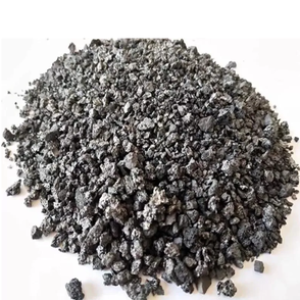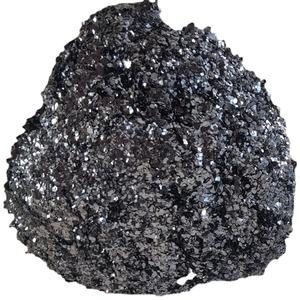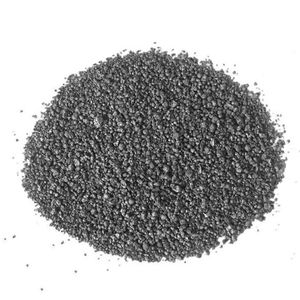
Overview of Graphene for Li-ion Battery
Graphene là một lớp nguyên tử carbon được sắp xếp theo mạng lục giác, tạo thành vật liệu hai chiều với những đặc tính vượt trội. Được phát hiện ở 2004, kể từ đó nó đã thu hút cộng đồng khoa học cũng như ngành công nghiệp nhờ sự kết hợp sức mạnh độc đáo của nó, độ dẫn điện, và tính linh hoạt. Graphene về cơ bản là một, tấm than chì phẳng, vật liệu tìm thấy trong chì bút chì, nhưng tính chất của nó rất khác biệt khi bị cô lập thành một lớp nguyên tử duy nhất.
Features of Graphene for Li-ion Battery
-
Sức mạnh vô song: Graphene là vật liệu bền nhất được biết đến, với độ bền kéo khoảng 130 gigapascal, vượt qua thép với hệ số trên 100.
-
Cực kỳ linh hoạt: Bất chấp sức mạnh của nó, graphene rất linh hoạt và có thể uốn cong, vặn vẹo, hoặc cuộn không gãy.
-
Độ dẫn điện đặc biệt: Nó dẫn điện cực kỳ tốt, với các electron chuyển động với tốc độ gần bằng tốc độ ánh sáng, làm cho nó trở nên lý tưởng cho thiết bị điện tử.
-
Độ dẫn nhiệt: Graphene cũng là một chất dẫn nhiệt tuyệt vời, tản nhiệt hiệu quả, hữu ích trong các ứng dụng quản lý nhiệt.
-
Minh bạch: Gần như trong suốt, chỉ hấp thụ 2.3% ánh sáng, cái mà, kết hợp với độ dẫn của nó, làm cho nó phù hợp với các điện cực trong suốt trong màn hình.
-
Trơ về mặt hóa học: Graphene có khả năng chống ăn mòn cao và ổn định trong nhiều điều kiện hóa học.
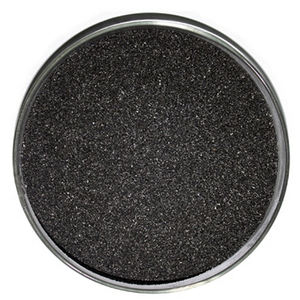
(Graphene for Li-ion Battery)
Specification of Graphene for Li-ion Battery
Graphene utilized in lithium-ion batteries should meet details top quality requirements to function well. The product ought to have a high area, generally over 500 square meters per gram. This assists the battery shop much more power and cost much faster. Purity is also important. Graphene for batteries requires to be at the very least 99% carbon with very few contaminations like oxygen or steels. These contaminations can slow down performance or create safety problems.
The variety of layers matters also. Excellent battery-grade graphene typically has fewer than five layers. Single or double-layer sheets are liked due to the fact that they let lithium ions move conveniently. Thicker stacks reduce efficiency. Flake dimension is one more key point. Many makers try to find flakes between 1 and 10 micrometers. Smaller sized flakes blend much better right into electrode slurries. Bigger ones might not spread out evenly.
Electrical conductivity needs to be high. Graphene must show conductivity above 1,000 siemens per centimeter. This ensures fast electron transfer during charging and discharging. Problems in the framework ought to be minimal. Too many openings or splits in the sheets deteriorate efficiency. Raman spectroscopy is frequently made use of to check defect levels. A reduced D-peak contrasted to the G-peak shows good quality.
Moisture material must remain listed below 1%. Water can respond with battery chemicals and produce gas or warmth. Vendors normally completely dry graphene before product packaging it in sealed containers. The material should also be without solvents or deposits from manufacturing. These leftovers can hinder the electrolyte.
Consistency between batches is crucial. Every shipment should match the same specifications so battery manufacturers do not require to readjust their processes. Examining reports for every set help verify this. Common examinations consist of wager for area, XRD for layer count, and TGA for purity. All these details make sure graphene works reliably inside lithium-ion cells.
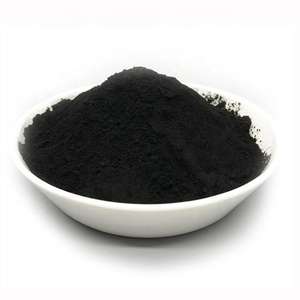
(Graphene for Li-ion Battery)
Applications of Graphene for Li-ion Battery
Graphene is a solitary layer of carbon atoms prepared in a level honeycomb pattern. It is strong, light, and carries out electrical energy quite possibly. These qualities make it beneficial for improving lithium-ion batteries.
One major use of graphene remains in the anode. Standard anodes are made from graphite. Graphene can change or combine with graphite to help lithium ions move faster. This increases charging speed and battery life. Graphene’s huge surface additionally allows more lithium ions attach throughout billing. That indicates the battery can save a lot more power.
Graphene also aids with heat control. Lithium-ion batteries get hot when used a lot. Excessive warm can harm them. Graphene spreads warm equally throughout the battery. This keeps temperature levels stable and makes the battery more secure.
In the cathode, graphene can support active products like lithium cobalt oxide. It includes framework and boosts electrical get in touch with. This results in better performance over numerous charge cycles. The battery remains strong longer without losing power rapidly.
An additional advantage is flexibility. Graphene is bendable however tough. This permits new battery designs that suit rounded or little devices. Wearables and foldable phones can use these sophisticated batteries.
Graphene likewise lowers internal resistance. Less resistance means much less power is wasted as warmth. More power goes to the device rather. This makes the entire system more efficient.
Researchers maintain testing methods to include graphene into batteries at inexpensive. Right now, making top notch graphene in large amounts is still tough. However progression is steady. As production gets much easier, graphene-enhanced batteries will end up being a lot more common. They guarantee quicker billing, longer life, and much better safety and security for daily electronic devices, electrical vehicles, and energy storage space systems.
Applications of Graphene for Li-ion Battery
-
Điện tử: Trong bóng bán dẫn, màn hình cảm ứng, và thiết bị điện tử linh hoạt do tính dẫn điện và tính linh hoạt của nó, có khả năng cách mạng hóa thiết kế thiết bị.
-
Lưu trữ năng lượng: Là điện cực trong pin và siêu tụ điện, cải thiện khả năng lưu trữ năng lượng và tốc độ sạc.
-
Cảm biến: Độ nhạy và độ dẫn cao làm cho graphene trở nên lý tưởng cho các cảm biến hóa học và sinh học.
-
vật liệu tổng hợp: Vật liệu gia cố như nhựa, kim loại, và bê tông để tăng cường độ bền và độ dẫn điện.
-
Lọc nước: Cấu trúc nguyên tử mỏng của nó cho phép lọc hiệu quả các chất gây ô nhiễm, bao gồm cả muối, virus, và vi khuẩn.
-
Thuốc: Các ứng dụng tiềm năng bao gồm hệ thống phân phối thuốc và cảm biến sinh học do tính tương thích sinh học và đặc tính độc đáo của nó.
Hồ sơ công ty
Graphne Aerogels là nhà cung cấp nguyên liệu hóa học đáng tin cậy trên toàn cầu & nhà sản xuất có hơn 12 năm kinh nghiệm cung cấp các sản phẩm aerogel và graphene siêu chất lượng.
Công ty có bộ phận kỹ thuật chuyên nghiệp và bộ phận giám sát chất lượng, một phòng thí nghiệm được trang bị tốt, và được trang bị thiết bị kiểm tra tiên tiến và trung tâm dịch vụ khách hàng sau bán hàng.
Nếu bạn đang tìm kiếm graphene chất lượng cao, aerogel và các sản phẩm tương đối, xin vui lòng liên hệ với chúng tôi hoặc nhấp vào các sản phẩm cần thiết để gửi yêu cầu.
Phương thức thanh toán
L/C, T/T, Công Đoàn Phương Tây, Paypal, Thẻ tín dụng vv.
Lô hàng
Nó có thể được vận chuyển bằng đường biển, bằng đường hàng không, hoặc bằng cách tiết lộ càng sớm càng tốt ngay khi nhận được tiền hoàn trả.
FAQs of Graphene for Li-ion Battery
Q: Is Graphene for Li-ion Battery safe for the environment and human health?
MỘT: Nghiên cứu về tác động môi trường và sức khỏe của graphene đang được tiến hành. Trong khi bản thân graphene được coi là tương đối trơ, tồn tại những lo ngại về độc tính tiềm ẩn của oxit graphene và các dẫn xuất khác, đặc biệt là trong hệ sinh thái dưới nước.
Q: How is Graphene for Li-ion Battery produced?
MỘT: Graphene có thể được sản xuất bằng nhiều phương pháp, bao gồm tẩy da chết cơ học (bóc lớp than chì bằng băng dính), lắng đọng hơi hóa học (CVD), và khử hóa học của graphene oxit.
Q: Why is Graphene for Li-ion Battery not yet widely used in commercial products?
MỘT: Những thách thức trong việc sản xuất graphene chất lượng cao với quy mô có thể mở rộng và tiết kiệm chi phí đã cản trở việc áp dụng rộng rãi nó.. Ngoài ra, tích hợp graphene vào các quy trình sản xuất hiện có đòi hỏi những tiến bộ công nghệ hơn nữa.
Q: Can Graphene for Li-ion Battery be used to make stronger and lighter materials?
MỘT: Tuyệt đối, Việc bổ sung graphene vào vật liệu composite giúp cải thiện đáng kể độ bền và độ cứng của chúng đồng thời giảm trọng lượng, làm cho chúng trở nên lý tưởng cho ngành hàng không vũ trụ, ô tô, và thiết bị thể thao.
Q: Does Graphene for Li-ion Battery have any limitations?
MỘT: Trong khi graphene sở hữu những đặc tính vượt trội, vẫn còn những thách thức trong việc khai thác hết tiềm năng của nó, chẳng hạn như đạt được sản xuất hàng loạt chất lượng cao, quản lý xu hướng đóng gói lại của nó trong vật liệu tổng hợp, và giải quyết các mối lo ngại tiềm ẩn về sức khỏe và môi trường.
5 FAQs of Graphene for Li-ion Battery
What is graphene?
Graphene is a single layer of carbon atoms arranged in a flat honeycomb pattern. It is very thin yet strong. It also conducts electricity and heat very well.
Why use graphene in lithium-ion batteries?
Graphene helps batteries charge faster. It also lets them store more energy. This happens because graphene moves electrons quickly and has a large surface area for chemical reactions.
Does graphene make batteries last longer?
Yes. Graphene reduces wear during charging and discharging. It keeps the battery structure stable over many cycles. This means the battery holds its capacity better over time.
Is graphene safe in batteries?
Graphene itself is not toxic. But how it is made and used matters. When handled properly in battery production, it poses no extra safety risk compared to standard materials.
Are graphene batteries available now?
Some products use small amounts of graphene to boost performance. Full graphene-based batteries are still in development. Most current uses mix graphene with other materials to improve existing designs.
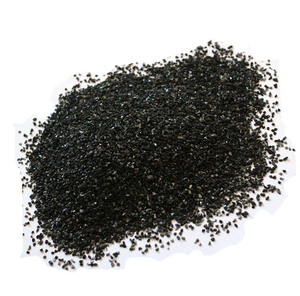
(Graphene for Li-ion Battery)