
-
-
-
-
 I-graphene
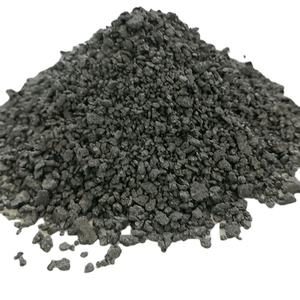
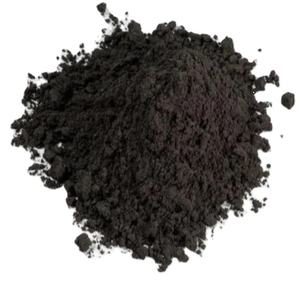
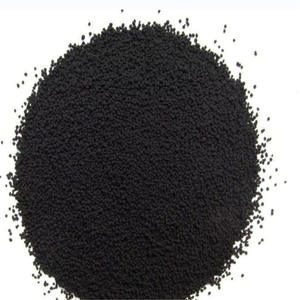
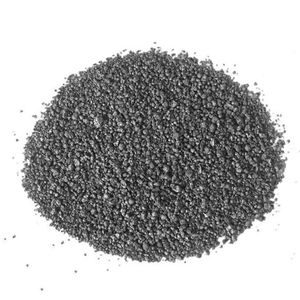
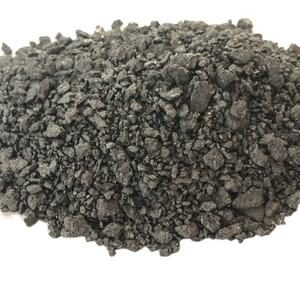
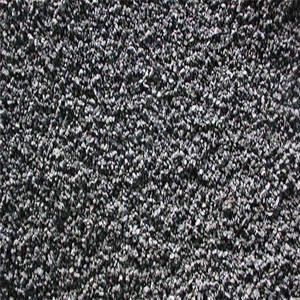
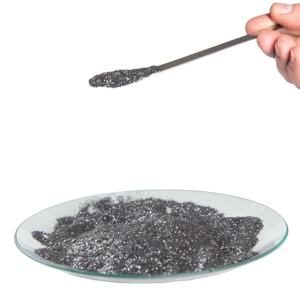
Graphene for Li-ion Battery
-
-
 I-graphene
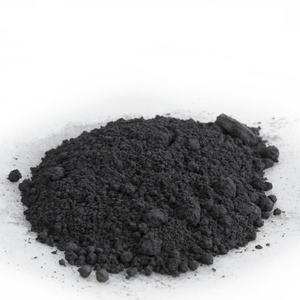
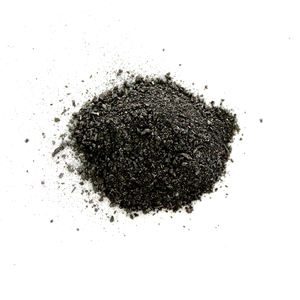
Graphene for Lithium Battery Research
-
-
-
-
-
 I-graphene
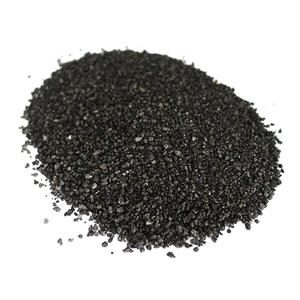
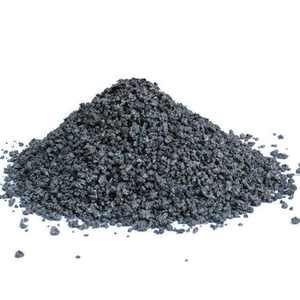
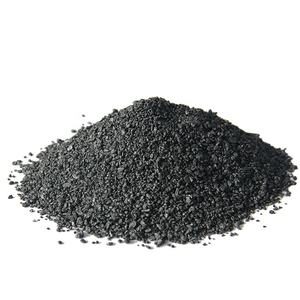
Hot 500 Mesh 1.85g Molded Graphene
-
× English
 Afrikaans
 Shqip
Shqip አማርኛ
አማርኛ العربية
 Հայերեն
 azərbaycan dili🌐Euskara
 башҡорт теле
 Беларуская
 বাংলা
বাংলা bosanski jezik
 Български
 မြန်မာစာ🌐Català
 Binisaya
 Chinyanja🌐Corsu
 Hrvatski
 Čeština
 Dansk
Dansk Nederlands
 Esperanto
 Eesti keel
 vosa VakavitiWikang Filipino
 Suomi
Suomi Français🌐Frysk
 Galego
 ქართული
 Deutsch
 Ελληνικά🌐ગુજરાતી
 Kreyòl ayisyen🌐Harshen Hausa🌐ʻŌlelo Hawaiʻi🌐Hmoob🌐Hmoob Daw
 עברית
עברית Мары йӹлмӹ
 हिन्दी; हिंदी
 Magyar
 Íslenska
 Asụsụ Igbo
 Bahasa Indonesia
 Gaeilge
 Italiano
 日本語🌐basa Jawa🌐ಕನ್ನಡ
 Қазақ тілі
 ភាសាខ្មែរ
 кыргыз тили
 한국어🌐Kurdî
 ພາສາລາວ
 Latīna
 Latviešu valoda
 Lietuvių kalba
 Lëtzebuergesch
 македонски јазик
 Malagasy fiteny
 Bahasa Melayu🌐മലയാളം
 Malti
Malti Te Reo Māori🌐मराठीмарий йылме
 Монгол
 नेपाली
 Norsk🌐Querétaro Otomi
 Papiamentu
 پارسی
پارسی Polski
 Português
 Português do Brasil
 ਪੰਜਾਬੀ
 RomânăРусский
 gagana fa'a Samoa🌐Gàidhlig
 Cрпски језик
 Sesotho
 chiShona🌐سنڌي
 සිංහල
සිංහල Slovenčina
 Slovenščina
 Af-Soomaali
 Español🌐Basa Sunda
 Kiswahili
 SvenskaTagalog
 Reo Mā`ohi'
 Тоҷикӣ🌐தமிழ்
 татарча🌐తెలుగు
 ภาษาไทย
 faka Tonga
 Türkçe🌐удмурт кыл
 Українськаاردو
 Oʻzbek tili
 Tiếng Việt🌐CymraegisiXhosa🌐ייִדיש🌐èdè Yorùbá
 Màaya T'àanisiZulu
Select Language
EnglishAfrikaansShqipአማርኛالعربيةՀայերենazərbaycan dili🌐Euskaraбашҡорт телеБеларускаяবাংলাbosanski jezikБългарскиမြန်မာစာ🌐CatalàBinisayaChinyanja🌐CorsuHrvatskiČeštinaDanskNederlandsEsperantoEesti keelvosa VakavitiWikang FilipinoSuomiFrançais🌐FryskGalegoქართულიDeutschΕλληνικά🌐ગુજરાતીKreyòl ayisyen🌐Harshen Hausa🌐ʻŌlelo Hawaiʻi🌐Hmoob🌐Hmoob DawעבריתМары йӹлмӹहिन्दी; हिंदीMagyarÍslenskaAsụsụ IgboBahasa IndonesiaGaeilgeItaliano日本語🌐basa Jawa🌐ಕನ್ನಡҚазақ тіліភាសាខ្មែរкыргыз тили한국어🌐KurdîພາສາລາວLatīnaLatviešu valodaLietuvių kalbaLëtzebuergeschмакедонски јазикMalagasy fitenyBahasa Melayu🌐മലയാളംMaltiTe Reo Māori🌐मराठीмарий йылмеМонголनेपालीNorsk🌐Querétaro OtomiPapiamentuپارسیPolskiPortuguêsPortuguês do BrasilਪੰਜਾਬੀRomânăРусскийgagana fa'a Samoa🌐GàidhligCрпски језикSesothochiShona🌐سنڌيසිංහලSlovenčinaSlovenščinaAf-SoomaaliEspañol🌐Basa SundaKiswahiliSvenskaTagalogReo Mā`ohi'Тоҷикӣ🌐தமிழ்татарча🌐తెలుగుภาษาไทยfaka TongaTürkçe🌐удмурт кылУкраїнськаاردوOʻzbek tiliTiếng Việt🌐CymraegisiXhosa🌐ייִדיש🌐èdè YorùbáMàaya T'àanisiZulu