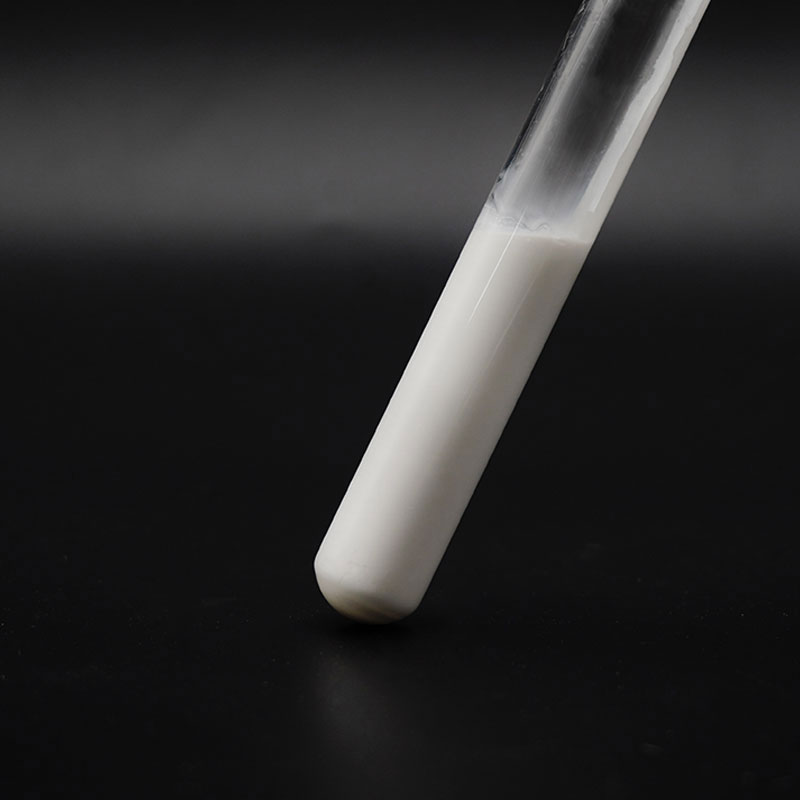
Overview of Ultrasonic Dispersion 20kHz 3000W Ultrasonicator Graphene Dispersion
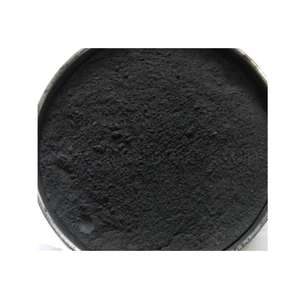
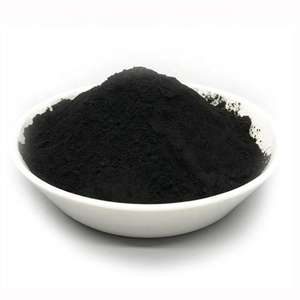
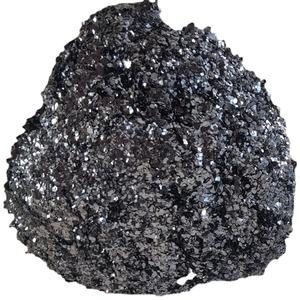
I-Graphene ungqimba olulodwa lwama-athomu ekhabhoni ahlelwe nge-lattice ene-hexagonal, ukwakha i-two-dimensional material enezakhiwo eziphawulekayo. Kutholwe ku 2004, kusukela ngaleso sikhathi liye lakhanga umphakathi wesayensi kanye nezimboni ngokufanayo ngenxa yenhlanganisela yayo eyingqayizivele yamandla, conductivity, kanye nokuvumelana nezimo. I-graphene empeleni iyodwa, ishidi eliyisicaba le-graphite, izinto ezitholakala kumsizi wepensela, kodwa izici zayo zihluke kakhulu lapho zihlukaniswa zibe ungqimba olulodwa lwe-athomu.
Features of Ultrasonic Dispersion 20kHz 3000W Ultrasonicator Graphene Dispersion
-
Amandla Angenakuqhathaniswa: I-graphene iyinto eqine kakhulu eyaziwayo, ngamandla aqinile nxazonke 130 ama-gigapascals, ukwedlula insimbi nge-factor of over 100.
-
Ukuvumelana nezimo ngokwedlulele: Naphezu kwamandla ayo, I-graphene ivumelana nezimo kakhulu futhi ingagotshwa, esontekile, noma iginqike ngaphandle kokuphuka.
-
I-Exceptional Electrical Conductivity: Iwuphatha kahle kakhulu ugesi, nama-electron ahamba ngesivinini asondela kwijubane lokukhanya, okwenza kube kuhle kuma-electronics.
-
I-Thermal Conductivity: I-graphene iphinde ibe ngumqhubi omuhle kakhulu we-thermal, ukusabalalisa ukushisa kahle, ewusizo ezinhlelweni zokuphatha ukushisa.
-
Ukungafihli: Cishe isobala, ukumunca kuphela 2.3% yokukhanya, okuyinto, kuhambisana ne-conductivity yayo, iyenza ifanele ama-electrode asobala ezibukweni.
-
I-Chemical Inert: I-graphene imelana kakhulu nokugqwala futhi izinzile ngaphansi kwezinhlobonhlobo zezimo zamakhemikhali.
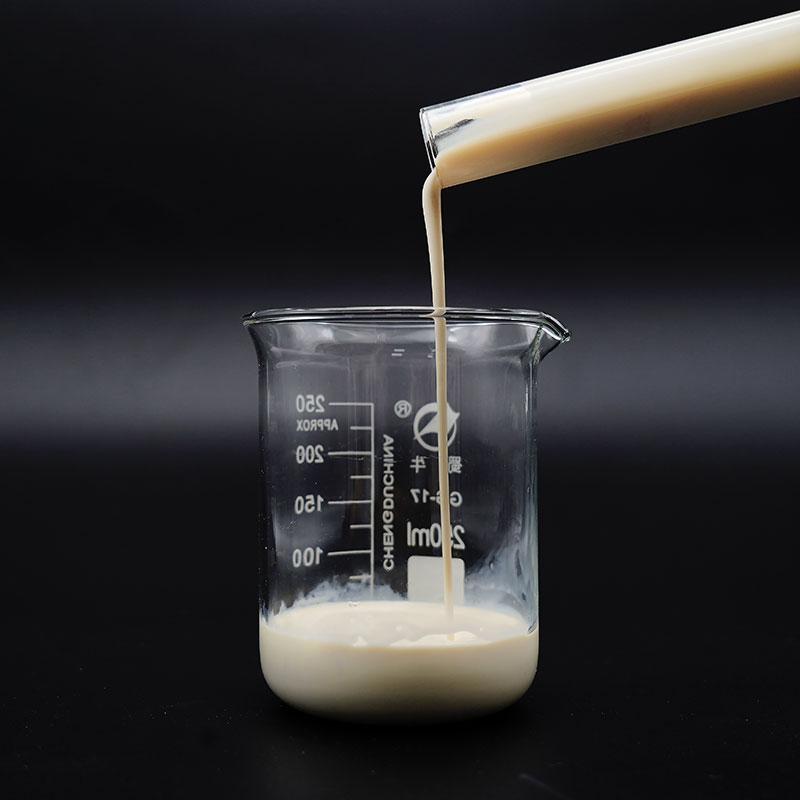
Specification of Ultrasonic Dispersion 20kHz 3000W Ultrasonicator Graphene Dispersion
Ultrasonic Diffusion System– 20kHz, 3000W for Graphene Processing
Powerful and Precise Graphene Dispersion
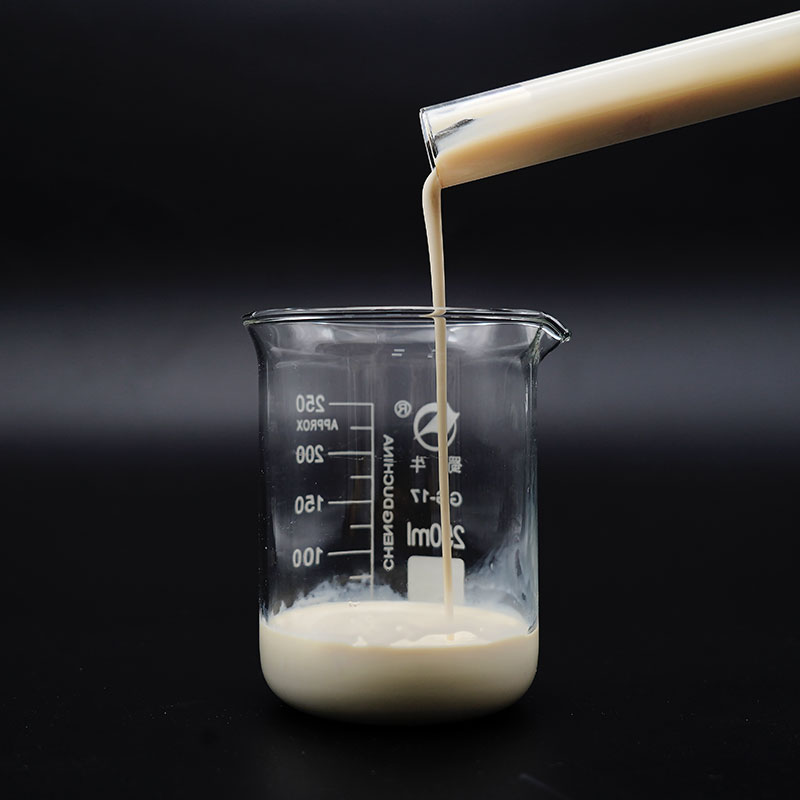
This ultrasonic dispersion system performs at 20kHz with a strong 3000W result , built specifically for breaking down and equally spreading graphene in fluids. It makes use of high-frequency sound waves to create intense cavitation bubbles. When these bubbles collapse, they create effective neighborhood pressures that divide graphene layers without harming their framework.
Consistent outcomes whenever
The unit delivers stable amplitude control, so you obtain the same high-quality dispersion batch after set. Its digital user interface lets you change power degrees, established processing time, and screen efficiency in actual time. This makes it easy to match setups to your precise product demands.
Constructed for durable laboratory or manufacturing use
The titanium alloy probe withstands wear and rust, even during long runs with challenging solvents. The system consists of an automated frequency tracking feature that keeps performance constant as conditions change. Cooling down alternatives assistance manage heat buildup, protecting both your example and the devices.
Easy to run and keep
You do not need special training to use this ultrasonicator. Just place your blend in a container, put the probe, set your parameters, and start. Cleaning up takes just mins. All parts that touch the example are simple to gain access to and replace if needed.
This ultrasonicator functions well with water-based and organic solvent systems. It’s perfect for making conductive inks, composite products, battery slurries, and various other sophisticated applications where uniform graphene distribution matters. Whether you’re running small examinations or scaling up, this system gives you dependable, repeatable dispersion with marginal initiative.
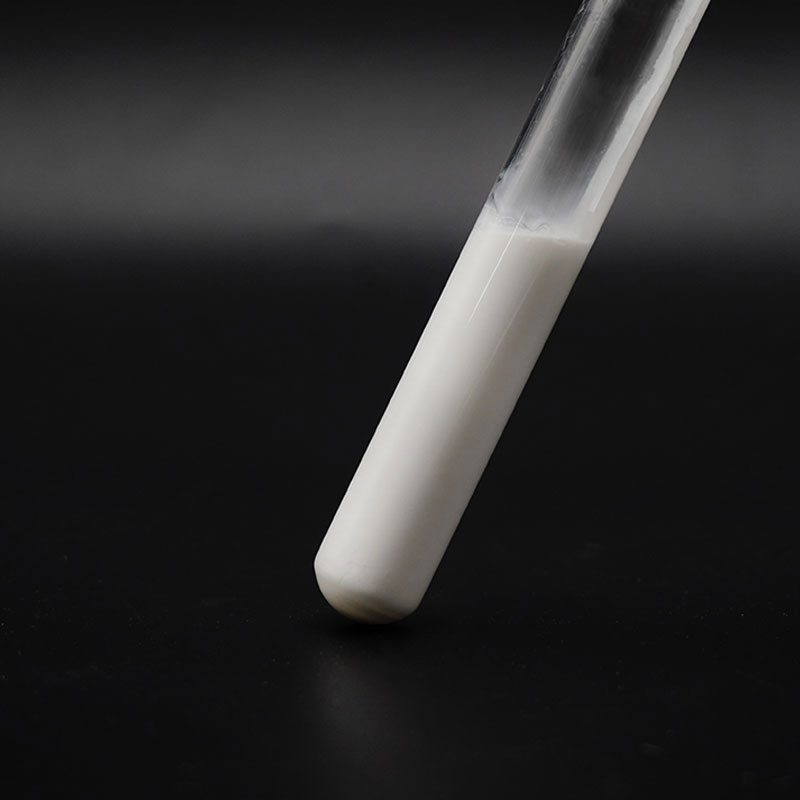
Applications of Ultrasonic Dispersion 20kHz 3000W Ultrasonicator Graphene Dispersion
Effective Ultrasonic Diffusion for Advanced Materials
The 20kHz 3000W Ultrasonicator provides high-intensity ultrasonic energy to break apart and evenly disperse bits in fluids. This makes it excellent for collaborating with tough-to-disperse materials like graphene, carbon nanotubes, and ceramic powders.
Why It Functions So Well for Graphene
Graphene often tends to glob together in solvents. Requirement mixing approaches frequently fail to separate these clusters. The ultrasonicator makes use of solid cavitation– small bubbles that create and collapse quickly– to draw graphene sheets apart without damaging them. This causes secure, uniform dispersions that stay blended longer.
Developed for Heavy-Duty Use
With a 3000-watt outcome and a 20kHz frequency, this device manages large quantities and high-viscosity liquids. Its titanium alloy probe stands up to wear and deterioration, even during lengthy processing runs. Users can change amplitude and run time to match their details material demands.
Common Applications
Scientists and suppliers use this ultrasonicator in lots of fields. In battery advancement, it assists produce much better electrode slurries by evenly spreading conductive ingredients. In compounds, it guarantees nanoparticles are spread uniformly via polymers for stronger, lighter parts. It’s also utilized in layers, inks, and pharmaceuticals where bit dimension and circulation influence efficiency.
Straightforward to Run, Consistent Results
The system includes an intuitive control panel and constant or pulse modes for exact handling. Air conditioning jackets stop overheating throughout extended use. Every batch comes out the same– no uncertainty, no rework.
Whether you’re scaling up lab results or enhancing an industrial procedure, this ultrasonicator provides trusted, repeatable diffusion with very little effort.
Applications of Ultrasonic Dispersion 20kHz 3000W Ultrasonicator Graphene Dispersion
-
Ezogesi: Kuma-transistors, izikrini zokuthinta, kanye nezinto zikagesi eziguquguqukayo ngenxa yokuguquguquka nokuvumelana nezimo, engase iguqule ukwakheka kwedivayisi.
-
Isitoreji Amandla: Njengama-electrode kumabhethri nama-supercapacitor, ukuthuthukisa umthamo wokugcina amandla kanye namazinga wokushaja.
-
Izinzwa: Ukuzwela okuphezulu kanye nokusebenza kahle kwenza i-graphene ilungele izinzwa zamakhemikhali nezebhayoloji.
-
Izinhlanganisela: Ukuqinisa izinto ezifana namapulasitiki, izinsimbi, futhi ukhonkolo ukuze kuthuthukiswe amandla kanye conductivity.
-
Ukuhlunga Amanzi: Isakhiwo sayo esincanyana ngokwe-athomu sinika amandla ukuhlunga okusebenzayo kokungcola, kuhlanganise nosawoti, amagciwane, kanye nama-bacteria.
-
Umuthi: Ukusetshenziswa okungase kube khona kuhlanganisa amasistimu okulethwa kwezidakamizwa kanye nezinzwa ze-bio ngenxa yokuhambisana kwayo kwezinto eziphilayo kanye nezakhiwo ezihlukile.
Iphrofayela Yenkampani
I-Graphne Aerogels ingumphakeli othembekile wezinto zamakhemikhali zomhlaba wonke & umkhiqizi onolwazi olungaphezu kweminyaka eyi-12 ekuhlinzekeni ngemikhiqizo yekhwalithi ephezulu ye-airgel ne-graphene.
Le nkampani inomnyango wezobuchwepheshe oqeqeshiwe kanye noMnyango Wokuqondisa Ikhwalithi, ilabhorethri efakwe kahle, futhi ifakwe imishini yokuhlola ethuthukisiwe kanye nesikhungo senkonzo yamakhasimende ngemva kokuthengisa.
Uma ufuna i-graphene yekhwalithi ephezulu, i-airgel kanye nemikhiqizo ehlobene, sicela ukhululeke ukuxhumana nathi noma uchofoze imikhiqizo edingekayo ukuze uthumele uphenyo.
Izindlela Zokukhokha
L/C, T/T, i-Western Union, I-Paypal, Ikhadi lesikweletu njll.
Ukuthunyelwa
Yayingathunyelwa olwandle, ngomoya, noma ngokuveza ASAP ngokushesha ngemuva kokuthola irisidi yokukhokha.
FAQs of Ultrasonic Dispersion 20kHz 3000W Ultrasonicator Graphene Dispersion
Q: Is Ultrasonic Dispersion 20kHz 3000W Ultrasonicator Graphene Dispersion safe for the environment and human health?
A: Ucwaningo mayelana nemithelela yemvelo nempilo ye-graphene luyaqhubeka. Ngenkathi i-graphene ngokwayo ibhekwa njenge-inert ngokuqhathaniswa, kukhona ukukhathazeka mayelana nobuthi obungaba khona be-graphene oxide nokunye okuphuma kuyo, ikakhulukazi ezindaweni zasemanzini.
Q: How is Ultrasonic Dispersion 20kHz 3000W Ultrasonicator Graphene Dispersion produced?
A: I-graphene ingakhiqizwa ngezindlela eziningi, kuhlanganisa nokucwecwa kwemishini (ukuxebula izendlalelo ze-graphite usebenzisa i-adhesive tape), ukufakwa komhwamuko wamakhemikhali (I-CVD), kanye nokunciphisa amakhemikhali e-graphene oxide.
Q: Why is Ultrasonic Dispersion 20kHz 3000W Ultrasonicator Graphene Dispersion not yet widely used in commercial products?
A: Izinselelo ekukhiqizeni i-graphene yekhwalithi ephezulu ngendlela eyongayo neyongayo kuvimbele ukutholwa kwayo okusabalele.. Ukwengeza, ukuhlanganisa i-graphene ezinqubweni zokukhiqiza ezikhona kudinga ukuthuthuka okwengeziwe kwezobuchwepheshe.
Q: Can Ultrasonic Dispersion 20kHz 3000W Ultrasonicator Graphene Dispersion be used to make stronger and lighter materials?
A: Nakanjani, Ukwengezwa kwe-graphene ezintweni ezihlanganisiwe kuthuthukisa kakhulu amandla nokuqina kwazo ngenkathi kunciphisa isisindo, ukubenza balungele indawo ye-aerospace, ezezimoto, kanye nemishini yezemidlalo.
Q: Does Ultrasonic Dispersion 20kHz 3000W Ultrasonicator Graphene Dispersion have any limitations?
A: Ngenkathi i-graphene inezakhiwo ezivelele, izinselelo zisasele ekusebenziseni amandla alo aphelele, njengokuzuza ukukhiqizwa ngobuningi bezinga eliphezulu, ukulawula ukuthambekela kwayo kokuphinda kuhlanganiswe kuma-composites, kanye nokubhekana nezinkinga ezingaba khona zezempilo nezendawo.
5 FAQs of Ultrasonic Dispersion 20kHz 3000W Ultrasonicator Graphene Dispersion
Frequently Asked Questions
What is this ultrasonicator used for?
This 20kHz 3000W ultrasonic device breaks down and spreads materials like graphene evenly in liquids. It works well for making stable dispersions in research labs and industrial production.
Why choose 20kHz frequency?
20kHz gives strong ultrasonic power. This frequency creates big cavitation bubbles that collapse with enough force to separate graphene layers without damaging them too much. It’s a good balance between effectiveness and control.
How does the 3000W power help?
High power means faster and more complete dispersion. With 3000W, the machine can handle thick or large-volume mixtures. It keeps performance steady even during long runs, which is important for consistent results.
Can it damage graphene?
If used correctly, it won’t harm the material. Too much power or too long a time may break graphene sheets. Always follow recommended settings—like pulse mode and proper probe placement—to keep quality high.
Is it hard to operate?
No. The system has simple controls for time, power, and pulse cycles. Most users set it up quickly after a short training. The probe tip goes into the liquid, and the machine does the rest. Regular cleaning and maintenance keep it running smoothly.