Übersicht über das Dispergiermittel Toynol DS-171 für Graphen und Nanostrukturen
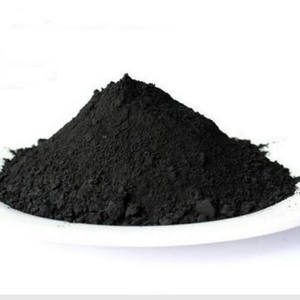
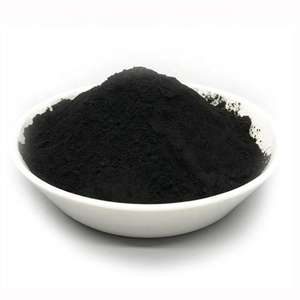
Graphen ist eine einzelne Schicht aus Kohlenstoffatomen, die in einem hexagonalen Gitter angeordnet sind, Es entsteht ein zweidimensionales Material mit bemerkenswerten Eigenschaften. Entdeckt in 2004, Aufgrund seiner einzigartigen Kombination von Stärken hat es seitdem die wissenschaftliche Gemeinschaft und die Industrie gleichermaßen fasziniert, Leitfähigkeit, und Flexibilität. Graphen ist im Wesentlichen ein Single, flache Graphitplatte, das in Bleistiftminen gefundene Material, Aber seine Eigenschaften unterscheiden sich erheblich, wenn es in einer einzigen Atomschicht isoliert wird.
Eigenschaften des Dispergiermittels Toynol DS-171 für Graphen und Nanostrukturen
-
Unübertroffene Stärke: Graphen ist das stärkste bekannte Material, mit einer Zugfestigkeit von ca 130 Gigapascal, übertrifft Stahl um den Faktor mehr 100.
-
Extreme Flexibilität: Trotz seiner Stärke, Graphen ist hochflexibel und lässt sich biegen, verdreht, oder gerollt, ohne zu brechen.
-
Außergewöhnliche elektrische Leitfähigkeit: Es leitet Elektrizität außergewöhnlich gut, mit Elektronen, die sich mit Geschwindigkeiten bewegen, die der Lichtgeschwindigkeit nahe kommen, Daher ist es ideal für die Elektronik.
-
Wärmeleitfähigkeit: Graphen ist außerdem ein ausgezeichneter Wärmeleiter, Wärme effizient verteilen, nützlich in Wärmemanagementanwendungen.
-
Transparenz: Es ist nahezu transparent, Nur absorbieren 2.3% aus Licht, welche, gepaart mit seiner Leitfähigkeit, Dadurch eignet es sich für transparente Elektroden in Displays.
-
Chemisch inert: Graphen ist äußerst korrosionsbeständig und unter einer Vielzahl chemischer Bedingungen stabil.
Spezifikation des Dispergiermittels Toynol DS-171 für Graphen und Nanostrukturen
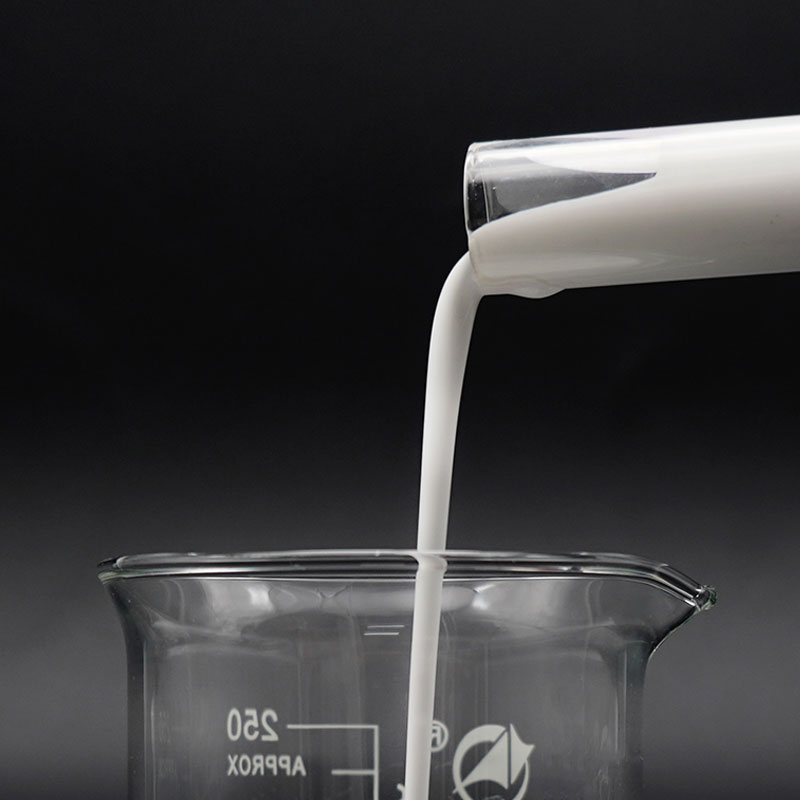
Toynol DS-171 Dispergiermittel für Graphen und Nanostrukturen
Was es ist
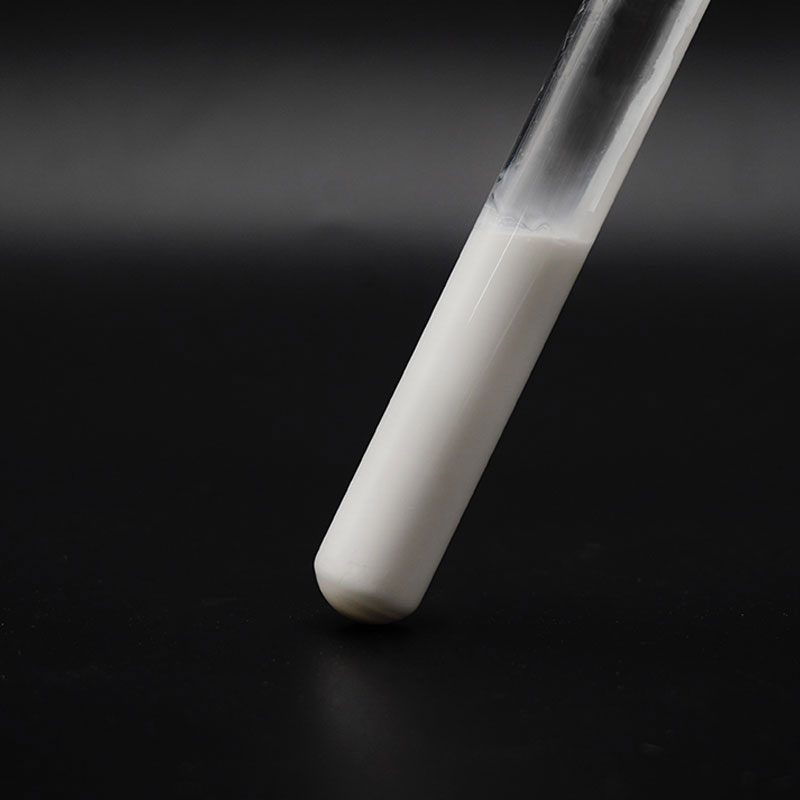
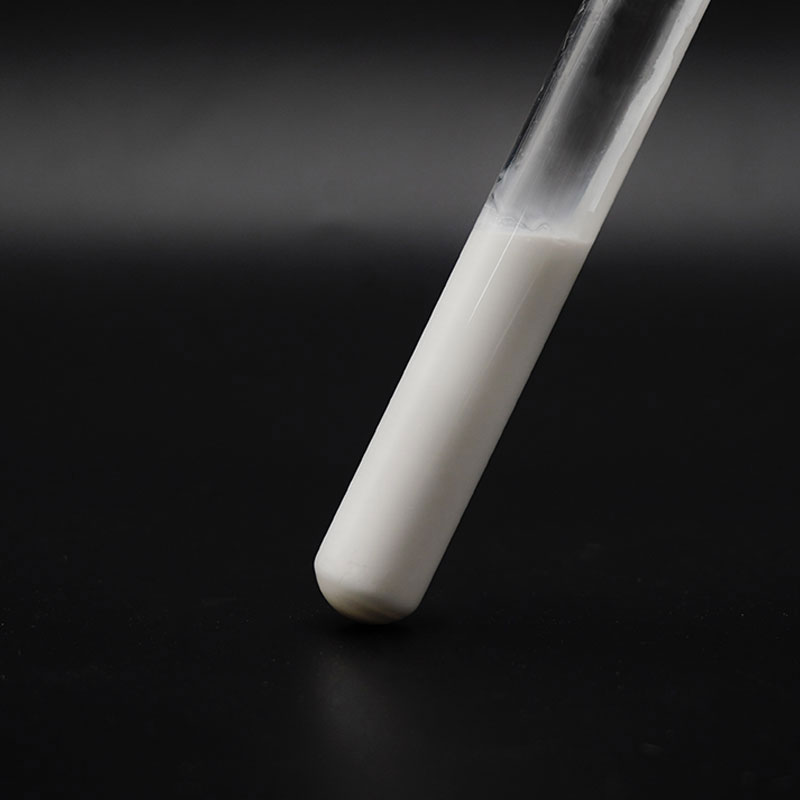
Toynol DS-171 ist ein Hochleistungsdispersionsmittel aus Graphen, Kohlenstoffnanoröhren, und andere nanostrukturierte Materialien. Es trägt dazu bei, dass diese kleinen Teilchen in Flüssigkeiten wie Wasser gleichmäßig verteilt bleiben, Lösungsmittel, oder Materialien. Ohne ein hervorragendes Dispergiermittel, Nanopartikel neigen häufig zur Verklumpung. DS-171 verhindert, dass dies geschieht.
So funktioniert es
Dieses Produkt haftet an der Oberfläche von Nanostrukturen. Es bildet sich eine sichere Schicht, die Partikel auseinanderdrückt. Dies hält sie getrennt und verhindert, dass sie sich entfalten oder Schwellungen bilden. Das Ergebnis ist ein glatter, gleichmäßige Mischung, die im Laufe der Zeit gleichmäßig bleibt.
Hauptmerkmale
Starke Diffusionskraft: Funktioniert auch bei reduzierter Dosierung gut.
Gute Kompatibilität: Lässt sich problemlos mit wasser- und lösungsmittelbasierten Systemen mischen.
Stabile Ergebnisse: Hält Nanostrukturen über lange Zeiträume in der Schwebe.
Einfach zu verwenden: Keine spezielle Ausrüstung oder Schritte erforderlich. Einfach hinzufügen und mischen.
Wo es verwendet wird
Toynol DS-171 wird in vielen anspruchsvollen Anwendungen eingesetzt. Diese bestehen aus leitfähigen Tinten, Batterieelektroden, Verbundwerkstoffe, endet, und Materialien für thermische Benutzeroberflächen. Es hilft Herstellern, eine bessere Leistung ihrer Produkte zu erzielen, indem sichergestellt wird, dass die Nanomaterialien vollständig aktiv und gleichmäßig verteilt sind.
Handhabung und Lagerung
Bewahren Sie DS-171 gut auf, Trockener Ort, fernab von direkter Sonneneinstrahlung. Halten Sie den Behälter geschlossen, wenn Sie ihn nicht verwenden. Verwenden Sie während der gesamten Handhabung herkömmliche Sicherheitsausrüstung wie Handschutz und Augenschutz. Halten Sie sich bei der Zusammenarbeit mit kommerziellen Chemikalien stets an die regionalen Sicherheitsrichtlinien.
Anwendungen des Dispergiermittels Toynol DS-171 für Graphen und Nanostrukturen
Anwendungen des Dispergiermittels Toynol DS-171 für Graphen und Nanostrukturen
Sichere Diffusion in wasserbasierten Geräten
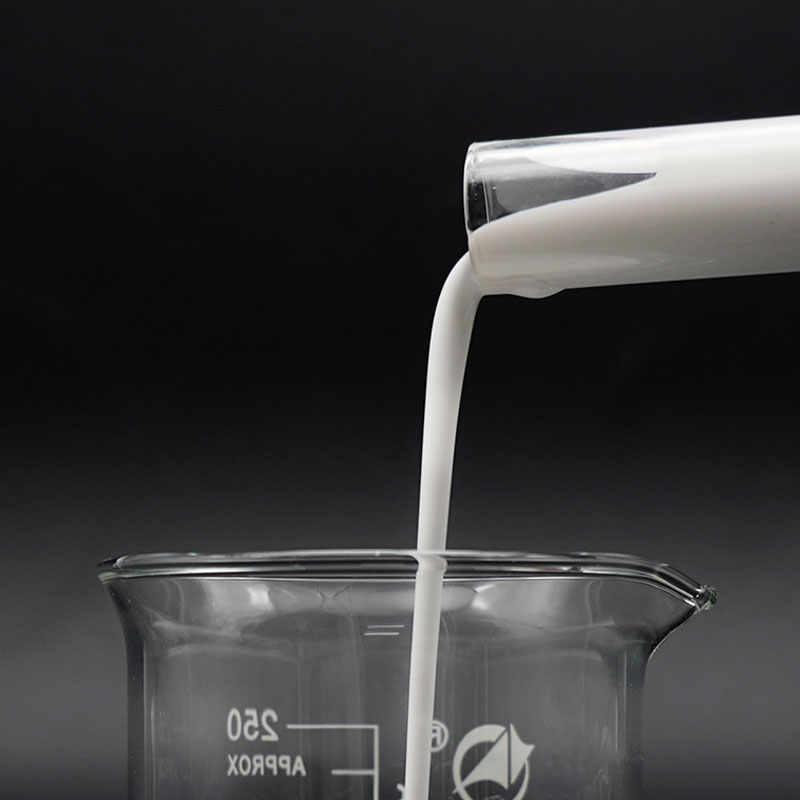
Toynol DS-171 trägt dazu bei, dass Graphen und verschiedene andere Nanostrukturen gleichmäßig im Wasser verteilt bleiben. Ohne es, Diese kleinen Stücke neigen dazu, miteinander zu verklumpen. Diese Verklumpung verringert die Leistung und erschwert die Handhabung. DS-171 stoppt dies, indem es sich um jedes Partikel dreht. Es entsteht eine Sicherheitsschicht, die sie voneinander trennt. Das Ergebnis ist ein glatter, Sichere, gebrauchsfertige Mischung.
Gesteigerte Effizienz bei Beschichtungen und Tinten
Bei der Herstellung von leitfähigen Tinten oder fortgeschrittenen Endbearbeitungen, Auch die Verteilung von Graphen ist von großer Bedeutung. Toynol DS-171 stellt sicher, dass jeder Teil der Mischung die richtige Menge an Nanomaterial enthält. Dies führt zu einer weitaus besseren elektrischen Leitfähigkeit, stärkere mechanische Gebäude, und eine viel konsistentere Filmentwicklung. Drucker und Endverarbeitungsgeräte laufen reibungsloser und es gibt weniger Verstopfungen oder Probleme.
Kompatibilität mit industriellen Prozessen
DS-171 funktioniert gut mit Standardproduktionstechniken. Es passt in bestehende Mischungen, Mahlen, und Sprühaktionen ohne zusätzliche Modifikationen. Das Dispergiermittel beeinträchtigt weder die Trocknung noch die Heilung. Es bleibt auch über eine Reihe von pH-Werten und Temperaturniveaus hinweg zuverlässig. Dies macht es für die große Produktion geeignet.
Sicher und einfach zu verwenden
Dieser Artikel ist wasserlöslich und ohne grobe Lösungsmittel. Mitarbeiter können es mit grundlegenden Sicherheitsmaßnahmen sicher verwalten. Es mischt sich schnell und hinterlässt keine Rückstände, die die Qualität des Endprodukts beeinträchtigen. Viel weniger Abfall bedeutet niedrigere Preise und sauberere Abläufe.
Unterstützung für Materialien der nächsten Generation
Forscher und Zulieferer nutzen Toynol DS-171, um neue Materialien wie vielseitige elektronische Geräte zu etablieren, Sensoreinheiten, und hochfeste Verbindungen. Seine Fähigkeit, Nanostrukturen unterschiedlich aufrechtzuerhalten, ermöglicht es, diese Entwicklungen wie geplant durchzuführen. Ob in Laboren oder Produktionsstätten, DS-171 liefert Charge für Set konsistente Ergebnisse.
Anwendungen des Dispergiermittels Toynol DS-171 für Graphen und Nanostrukturen
-
Elektronik: Bei Transistoren, Touchscreens, und flexible Elektronik aufgrund ihrer Leitfähigkeit und Flexibilität, möglicherweise das Gerätedesign revolutionieren.
-
Energiespeicher: Als Elektroden in Batterien und Superkondensatoren, Verbesserung der Energiespeicherkapazität und der Laderaten.
-
Sensoren: Hohe Empfindlichkeit und Leitfähigkeit machen Graphen ideal für chemische und biologische Sensoren.
-
Verbundwerkstoffe: Verstärkungsmaterialien wie Kunststoffe, Metalle, und Beton zur Verbesserung der Festigkeit und Leitfähigkeit.
-
Wasserfiltration: Seine atomar dünne Struktur ermöglicht eine effiziente Filterung von Schadstoffen, einschließlich Salze, Viren, und Bakterien.
-
Medizin: Zu den potenziellen Einsatzmöglichkeiten zählen aufgrund seiner Biokompatibilität und einzigartigen Eigenschaften Arzneimittelverabreichungssysteme und Biosensoren.
Unternehmensprofil
Graphne Aerogels ist ein vertrauenswürdiger globaler Lieferant chemischer Materialien & Hersteller mit über 12 Jahren Erfahrung in der Bereitstellung hochwertiger Aerogel- und Graphenprodukte.
Das Unternehmen verfügt über eine professionelle technische Abteilung und eine Abteilung für Qualitätsüberwachung, ein gut ausgestattetes Labor, und ausgestattet mit fortschrittlicher Testausrüstung und einem Kundendienstzentrum nach dem Verkauf.
Wenn Sie auf der Suche nach hochwertigem Graphen sind, Aerogel und verwandte Produkte, Bitte kontaktieren Sie uns oder klicken Sie auf die gewünschten Produkte, um eine Anfrage zu senden.
Zahlungsmethoden
L/C, T/T, Western Union, Paypal, Kreditkarte usw.
Lieferung
Es könnte auf dem Seeweg verschifft werden, auf dem Luftweg, oder per Benachrichtigung so schnell wie möglich nach Erhalt der Rückzahlung.
FAQs zum Dispergiermittel Toynol DS-171 für Graphen und Nanostrukturen
Q: Ist das Dispergiermittel Toynol DS-171 für Graphen und Nanostrukturen sicher für die Umwelt und die menschliche Gesundheit??
A: Die Forschung zu den Umwelt- und Gesundheitsauswirkungen von Graphen ist im Gange. Während Graphen selbst als relativ inert gilt, Es bestehen Bedenken hinsichtlich der möglichen Toxizität von Graphenoxid und anderen Derivaten, insbesondere in aquatischen Ökosystemen.
Q: Wie wird das Dispergiermittel Toynol DS-171 für Graphen und Nanostrukturen hergestellt??
A: Graphen kann auf verschiedene Weise hergestellt werden, einschließlich mechanischem Peeling (Abziehen von Graphitschichten mit Klebeband), chemische Gasphasenabscheidung (CVD), und chemische Reduktion von Graphenoxid.
Q: Warum wird das Dispergiermittel Toynol DS-171 für Graphen und Nanostrukturen in kommerziellen Produkten noch nicht weit verbreitet??
A: Herausforderungen bei der skalierbaren und kostengünstigen Herstellung von qualitativ hochwertigem Graphen haben seine weitverbreitete Einführung behindert. Zusätzlich, Die Integration von Graphen in bestehende Herstellungsprozesse erfordert weitere technologische Fortschritte.
Q: Kann das Dispergiermittel Toynol DS-171 für Graphen und Nanostrukturen verwendet werden, um stärkere und leichtere Materialien herzustellen??
A: Absolut, Der Zusatz von Graphen zu Verbundwerkstoffen verbessert deren Festigkeit und Steifigkeit erheblich und reduziert gleichzeitig das Gewicht, Damit sind sie ideal für die Luft- und Raumfahrt, Automobil, und Sportgeräte.
Q: Gibt es Einschränkungen beim Dispergiermittel Toynol DS-171 für Graphen und Nanostrukturen??
A: Während Graphen herausragende Eigenschaften besitzt, Es bleibt eine Herausforderung, das volle Potenzial auszuschöpfen, wie zum Beispiel die Erzielung einer qualitativ hochwertigen Massenproduktion, Bewältigung seiner Tendenz, sich in Verbundwerkstoffen neu zu stapeln, und die Auseinandersetzung mit potenziellen Gesundheits- und Umweltproblemen.
5 FAQs zum Dispergiermittel Toynol DS-171 für Graphen und Nanostrukturen
Häufig gestellte Fragen zum Dispergiermittel Toynol DS-171
Wofür wird Toynol DS-171 verwendet??
Toynol DS-171 ist ein spezielles Dispergiermittel für Graphen und andere Nanostrukturen. Es trägt dazu bei, diese winzigen Partikel gleichmäßig in Flüssigkeiten wie Wasser oder Lösungsmitteln zu verteilen. Dadurch verhindern sie ein Verklumpen und bleiben während der Verarbeitung stabil.
Wie verbessert es die Dispersionsqualität??
Das Dispergiermittel haftet an der Oberfläche von Graphen oder Nanopartikeln. Dadurch entsteht eine Barriere, die Partikel auseinanderdrückt. Infolge, Sie bleiben getrennt und vermischen sich besser mit Beschichtungen, Tinten, oder Verbundwerkstoffe. Du wirst geschmeidiger, einheitlichere Produkte mit weniger Fehlern.
Ist es mit wasserbasierten Systemen kompatibel??
Ja. Toynol DS-171 funktioniert gut in wasserbasierten Formulierungen. Es funktioniert auch in vielen gängigen organischen Lösungsmitteln zuverlässig. Überprüfen Sie immer die Kompatibilität mit Ihrem spezifischen System, bevor Sie es in vollem Umfang verwenden.
Welche Dosierung soll ich verwenden?
Die richtige Menge hängt von Ihrem Material und Prozess ab. Ein typischer Ausgangspunkt ist 0.5% Zu 2% nach Gewicht des Feststoffanteils. Testen Sie zunächst kleine Chargen, um das beste Niveau für Ihre Bedürfnisse zu finden. Zu viel kann zu Schaumbildung führen oder die Endeigenschaften beeinträchtigen.
Beeinflusst es die elektrischen Eigenschaften von Graphen??
Toynol DS-171 wurde entwickelt, um Störungen der natürlichen Eigenschaften von Graphen zu minimieren. Bei Verwendung in den empfohlenen Mengen, es hat kaum Einfluss auf die elektrische Leitfähigkeit. Trotzdem, Testen Sie immer Ihr Endprodukt, um sicherzustellen, dass die Leistung Ihren Anforderungen entspricht.