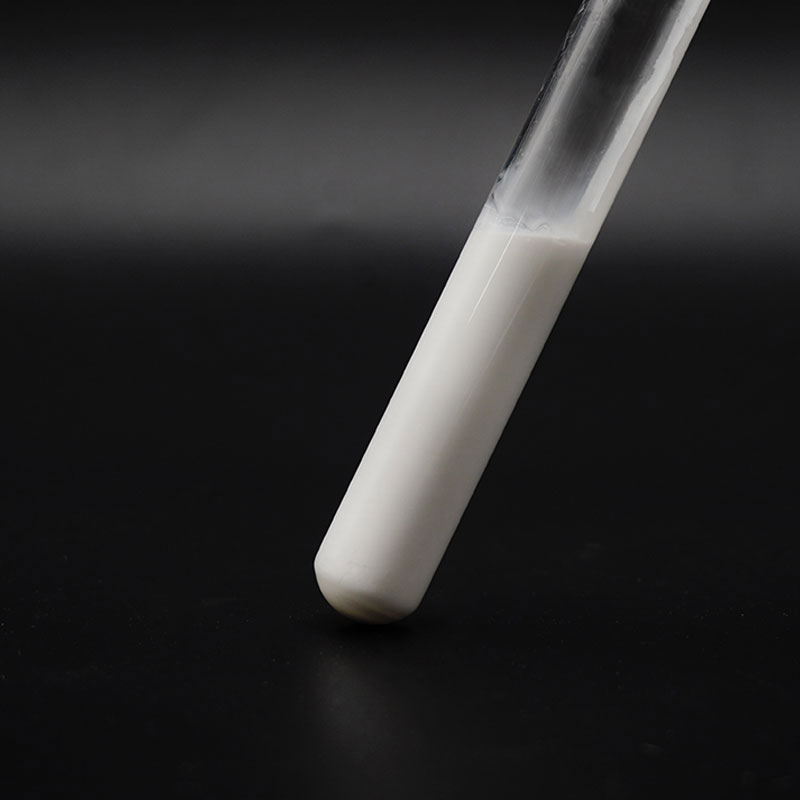
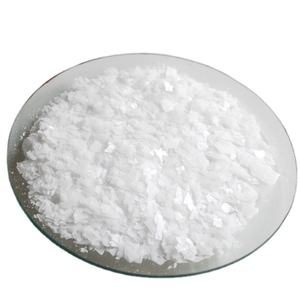
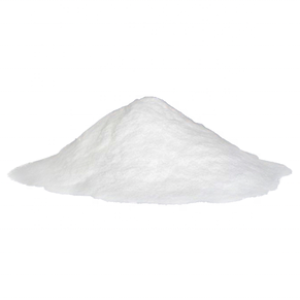
Overview of Aerogel Powder Aerogel Particles Aerogel Granules Insulation
ʻO ka pauka Airgel ka ʻano kikoʻī o nā mea paʻa māmā loa o ka honua, kapa pinepine ʻia ʻo "ka uahi hau." Hana ʻia kēia mea nanoporous ma ka hoʻololi ʻana i ka wai i loko o kahi gel me ke kinoea, ka hopena i kahi paʻa ultra-haʻahaʻa me nā waiwai kupaianaha. Mālama ʻia kā mākou pauka airgel i nā ʻano ʻokoʻa o nā aerogels monolithic i kahi versatile, maʻalahi e hoʻohui no nā noiʻi ʻenehana a me nā noiʻi noiʻi.
Features of Aerogel Powder Aerogel Particles Aerogel Granules Insulation
-
Haʻahaʻa haʻahaʻa loa: Hāʻawi maikaʻi i ka hana insulation, ʻoiai ma nā kaiapuni koʻikoʻi.
-
Porosity kiʻekiʻe & Wahi Ili: Loaʻa i kahi ʻano nanoporous me ka ʻili o ka ʻili 600 m²/g no ka adsorption kūikawā a me ka mana catalytic.
-
ʻAno haʻahaʻa haʻahaʻa: ʻO kekahi o nā mea paʻa māmā loa i ʻike ʻia e ke kanaka.
-
Nā koho Hydrophobic a i ʻole Hydrophilic: Loaʻa i loko o nā ʻano hana e hoʻolei a hoʻopaʻa i ka wai e kūpono i nā pono noi kikoʻī.
-
Kūleʻa ahi maikaʻi loa: ʻAʻole hiki ke puhi ʻia ka pauka i hoʻokumu ʻia i ka silica inorganic a hiki ke kū i nā wela kiʻekiʻe.

Specification of Aerogel Powder Aerogel Particles Aerogel Granules Insulation
High-Performance Aerogel Insulation Products
He aha ia
Airgel pauda, nā ʻāpana, and granules are ultra-lightweight insulation products made from silica-based aerogels. They maintain warm in or out far much better than conventional insulators like fiberglass or foam. These types provide you versatility for various applications– whether you need to mix it right into layers, pack it into tight areas, or utilize it in commercial systems.
Nā mea nui
Hoemi loa i ka thermal conductivity: Aerogel stops warm circulation better than practically any kind of various other product. This suggests much less power loss and far better temperature level control.
Really lightweight: Also when packed firmly, it includes almost no added weight. That works in transport, aerospace, and wearable gear.
Hydrophobic surface: Most aerogel products drive away water. Moisture won’t soak in, so efficiency stays strong also in damp problems.
Chemically secure: It does not react conveniently with other compounds. You can use it securely near steels, ilikai, or delicate devices.
Environmentally friendly: Made without hazardous blowing representatives. It supports greener building and production practices.
Exactly how It’s Used
Add aerogel powder to paints or plasters for protected wall surfaces. Load voids and dental caries with granules where stiff boards won’t fit. Mix fragments into polymers to produce shielding compounds. The small dimension lets it go right into areas other insulators can not get to. Manufacturing facilities use it in pipes, nā pahu mālama, and cold-chain product packaging. Home builders utilize it in roofing systems, papahele, a me waho. Designers use it in outside clothing and shoes for heat without bulk.
Technical Facts
Regular fragment size varies from 50 microns to 5 millimeters. Thickness is normally between 50– 150 kg/m ³. Thermal conductivity sits around 0.013– 0.020 W/(m · K) ma ka lumi wela. Custom-made dimensions and surface area treatments are available for special demands. Shop in completely dry, covered containers to maintain performance regular.

Applications of Aerogel Powder Aerogel Particles Aerogel Granules Insulation
Nā noi o Airgel Powder, Particles, and Granules for Insulation
Why Select Aerogel-Based Insulation?
Airgel pauda, nā ʻāpana, and granules supply some of the best thermal insulation readily available today. They are very light-weight and contain approximately 95% ea. This framework slows down heat transfer better than a lot of standard materials. Ma ka hopena, they aid keep warmth in throughout winter and out during summer season.
Structure and Building and construction
In homes and business structures, aerogel granules can be blended right into plasters, hana, a i ʻole nā papa hoʻokaʻawale. This enhances power effectiveness without adding much weight or density. Wall surfaces, hale hale, and floors remain well insulated even in limited spaces where large products won’t fit.
Industrial Uses
Factories and plants make use of aerogel fragments to insulate pipelines, nā ipu, and reactors. These locations often encounter extreme temperature levels. Aerogel deals with both high warmth and deep cool effortlessly. It likewise stands up to dampness, which assists prevent corrosion under insulation– an usual trouble in oil, kinoea, and chemical markets.
Kaʻahele
Trains, moku, and electrical lorries benefit from aerogel powder contributed to compounds or mats. It lowers warm loss or gain while saving area and weight. For electric vehicles, this indicates much better battery performance and longer array. In delivery containers, it keeps temperature-sensitive freight secure during lengthy trips.
Consumer Products
Exterior equipment like coats, boots, and sleeping bags currently use aerogel layers for warmth without mass. Home appliances such as hot water heater and refrigerators additionally include aerogel granules to enhance effectiveness and satisfy power criteria.
Aerogel insulation works where various other materials fall short. It matches small gaps, performs in severe conditions, and lasts longer with little upkeep. Whether you’re developing a residence, running a manufacturing facility, or creating a product, aerogel kinds give you a smarter means to manage heat.
ʻIkepili Hui
ʻO Graphne Aerogels kahi mea hoʻolako waiwai kemika honua & mea hana me ka ʻoi aku o 12-makahiki-ʻike i ka hāʻawi ʻana i nā huahana airgel kiʻekiʻe kiʻekiʻe a me nā huahana graphene.
He keʻena ʻenehana loea ko ka hui a me ka Quality Supervision Department, he hale hana i hoolako pono ia, a hoʻolako ʻia me nā lako hoʻāʻo kiʻekiʻe a me ke kikowaena lawelawe mea kūʻai aku ma hope o ke kūʻai aku.
Inā ʻoe e ʻimi nei i ka graphene kiʻekiʻe, airgel a me nā huahana pili, eʻoluʻolu e leka uila iā mākou a iʻole e kaomi i nā huahana i makemakeʻia e hoʻouna i kahi nīnau.
Uku Uku
L/C, T/T, Hui Komohana, Paypal, Kāleka ʻaiʻē etc.
Hoʻouna
Hiki ke hoʻouna ʻia ma ke kai, ma ka lewa, a i ʻole ma ka hōʻike ʻana iā ASAP i ka wā e loaʻa ai ka uku.
5 FAQs of Aerogel Powder Aerogel Particles Aerogel Granules Insulation
Frequently Asked Questions About Aerogel Insulation Products
He aha ka pauka airgel, nā ʻāpana, and granules?
Airgel pauda, nā ʻāpana, and granules are lightweight insulation materials made from silica aerogel. They keep heat in or out very well. These forms let you use aerogel in different ways—like mixing into coatings, filling gaps, or adding to building materials.
Why choose aerogel over other insulators?
Loaʻa iā Airgel kekahi o nā conductivities thermal haʻahaʻa loa o kekahi mea paʻa. It blocks heat better than fiberglass, huʻahua, or mineral wool. It also takes up less space. You get strong insulation without thick layers. ʻOi aku, it resists moisture and does not burn easily.
Where can I use aerogel granules or powder?
You can use them in construction, paipu, nā mea hana, a me ka lole. Granules work well in loose-fill applications like wall cavities. Powder blends into paints or plasters. Particles fit into molded parts or composite panels. Each form suits different jobs.
Mālama ʻia ka airgel?
ʻAe, but wear gloves and a mask when working with fine powder. Like other fine dusts, it can irritate skin or lungs if inhaled. Once sealed in a product or installed properly, ʻaʻohe pilikia olakino. Always follow safety instructions on the packaging.
Pehea ka lōʻihi o ka insulation airgel?
Aerogel lasts a very long time if kept dry and undamaged. ʻAʻole ia e noho, e emi iho, or degrade under normal conditions. Its structure stays stable for decades. That means your insulation keeps working just as well years later.