


Aerogel che copre le migliori pratiche per gli impianti di conservazione a freddo
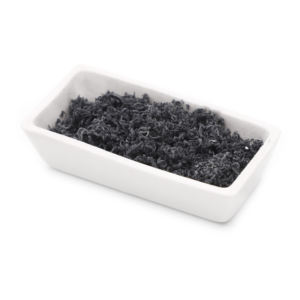
(Migliori pratiche per le coperte Aerogel per strutture di stoccaggio a freddo)
Cos'è una copertura in aerogel? .
Un rivestimento in aerogel è leggero, materiale isolante flessibile costituito da aerogel di silice installato in una matrice fibrosa. Assomiglia a un materiale morbido, ma preferisce l'armatura high-tech rispetto al trasferimento di calore. A differenza degli isolanti convenzionali come fibra di vetro o schiuma, I rivestimenti in aerogel utilizzano una notevole resistenza termica con una densità molto inferiore. Questo li rende adatti a spazi limitati dove conta tutto– come le aree delle celle frigorifere, camion frigoriferi, o frigoriferi con congelatore. Il nucleo di questa moderna tecnologia risiede nella nanostruttura dell’aerogel, che intrappola l'aria in minuscole tasche in modo così efficace che il calore ha difficoltà a passare. Se hai mai toccato qualcosa coperto da un coperta di aerogel, ti meraviglieresti di quanto sia sottile e di quanto bene blocchi i cambiamenti di livello della temperatura.
Perché utilizzare le coperte in aerogel nella cella frigorifera? .
I centri di conservazione frigorifera devono mantenere temperature costantemente basse 24/7. Qualsiasi perdita di calore suggerisce un maggiore consumo di energia, maggiori costi, e minaccia per gli oggetti custoditi– in particolare il cibo, medicinale, o esempi di laboratorio. L'isolamento standard comunemente si deteriora nel tempo, assorbe l'umidità, o ha bisogno di strati spessi per funzionare bene. I rivestimenti in aerogel risolvono questi problemi. Resistono all'umidità, non depositarsi o premere come materiali sfusi, e fornire fino a 3 volte il valore R per pollice rispetto alle opzioni convenzionali. Ciò indica che il tuo sistema di refrigerazione funziona meno, dura più a lungo, e costa meno per la gestione. Fondamentalmente, il passaggio all’aerogel non significa solo un migliore isolamento– ha a che fare con procedure più intelligenti. Per le aziende che gestiscono scorte sensibili alla temperatura, questo aggiornamento può suggerire la differenza tra entrate e perdite.
Proprio come impostare le coperte in aerogel in modo efficace .
Installare correttamente i rivestimenti in aerogel è fondamentale per ottenerne tutti i vantaggi. Primo, pulire e asciugare completamente tutte le superfici– qualsiasi tipo di polvere o umidità sotto il rivestimento può ridurne l'efficienza. Prossimo via, procedura e tagliare il rivestimento per adattarlo perfettamente alle superfici della parete, soffitti, tubi, o porte. Usa delle forbici affilate o una lama energetica; il prodotto taglia velocemente senza strapparsi. Sovrapporre le cuciture di almeno 2 pollici e sigillarli con nastro di alluminio adatto a temperature ridotte. Evitare di premere il rivestimento durante l'installazione– il suo potere schermante deriva dalla sua struttura ariosa, così schiacciante da sconfiggere l'obiettivo. Quando si coprono tubazioni o condotti, avvolgere la coperta in modo uniforme e fissarla con cinghie non corrosive. Indossare sempre coperture per le mani e una maschera antipolvere durante la manipolazione, non perché sia velenoso, ma perché i pezzetti fini possono aggravare la pelle o i polmoni. Fatto bene, una coperta in aerogel rimane efficace per anni senza manutenzione.
Applicazioni oltre le aree fredde standard .
Mentre la cella frigorifera è un classico esempio di utilizzo, le coperte di aerogel si irradiano anche in molti altri ambienti. Sono utilizzati nei rimorchi da trasporto refrigerati per mantenere le merci fredde senza aggiungere massa. Nei magazzini farmaceutici, aiutano a preservare zone di temperatura rigorose per vaccini e prodotti biologici. Alcuni impianti di trasformazione alimentare equipaggiano i frigoriferi con aerogel per accelerare i cicli di congelamento riducendo al contempo il consumo di energia. Anche nei fantastici dispositivi modulari– come quelli rilasciati per soccorsi in caso di calamità o cliniche di vaccini temporanei– L'isolamento in feltro di aerogel garantisce un'efficienza rispettabile in ambienti difficili o in trasformazione. Oltre il cibo e il farmaceutico, gli scienziati li utilizzano nei laboratori criogenici, e le strutture dati a volte li rilasciano su scaffali di server web refrigerati. La versatilità deriva dal profilo sottile del materiale, resilienza, e sicurezza a livelli di temperatura estremi– da meno 200 °C oltre 600 °C. Domande frequenti sulle coperte in aerogel nelle celle frigorifere . 1. Le coperte in aerogel sono sicure per le aree di conservazione degli alimenti? SÌ. La maggior parte dei rivestimenti in aerogel commerciali sono sicuri, non combustibile, e soddisfare i requisiti di sicurezza alimentare
quando installato dietro ostacoli chiusi come rivestimenti metallici o coperture per vapori. 2. Funzionano in ambienti umidi? Decisamente. A differenza della fibra di vetro o della cellulosa, l'aerogel non assorbe acqua. La sua natura idrofobica mantiene costante il valore dell'isolamento anche in condizioni di umidità– ideale per armadietti per la conservazione della carne o spazi refrigerati per pesce e crostacei. 3. Quanto durano?? Con rata adeguata, le coperte in aerogel possono durare 20 anni o più. Non si indeboliscono, abbassarsi, o perdere gradualmente il valore R come alcuni isolanti organici. 4. Posso aggiornare il congelatore esistente?

(Migliori pratiche per le coperte Aerogel per strutture di stoccaggio a freddo)
con loro? SÌ. La loro sottigliezza li rende perfetti per i retrofit. È possibile aggiungerli sopra il vecchio isolamento o all'interno delle cavità dei denti delle pareti senza riparazioni significative. Ciò è particolarmente utile quando si aggiornano centri più vecchi che non possono permettersi tempi di inattività. 5. Sono costosi?? Il prezzo iniziale è superiore a quello della fibra di vetro, tuttavia, i risparmi energetici generalmente ripagano la differenza entro 2– 4 anni. E anche, risparmi spazio– indicando ancora più metratura video fruibili nella vostra struttura. Per esigenze ad alte prestazioni, è un investimento intelligente. E se stai controllando gli usi di nuova generazione, dai un'occhiata esattamente a come la polvere di aerogel sta rivoluzionando l'usura termica– o semplicemente come gli strati protettivi di aerogel proteggono l'elettronica dal freddo estremo nel settore aerospaziale e della protezione. La stessa scienza spazia dalle schede dei circuiti alle superfici delle pareti dei magazzini.