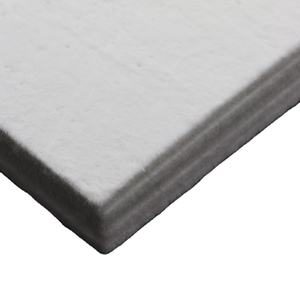
Panoramica dell'isolamento termico dell'aerogel di silice
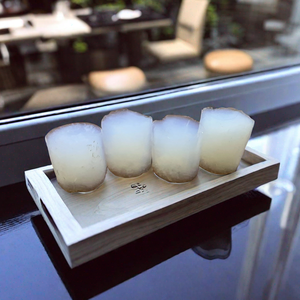
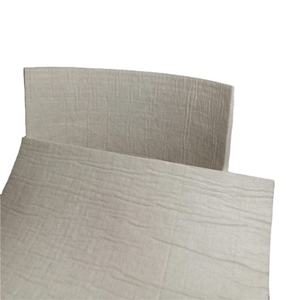
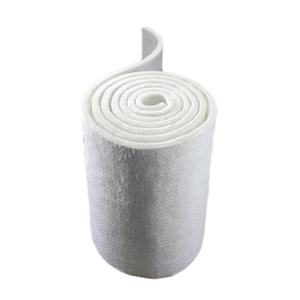
Gli aerogel sono ultraleggeri, materiali altamente porosi noti per le loro eccezionali proprietà isolanti, notevole bassa densità, e incredibili rapporti resistenza-peso. Spesso indicato come “fumo ghiacciato” per il loro aspetto etereo, gli aerogel vengono prodotti sostituendo la componente liquida di un gel con gas, tipicamente attraverso l'essiccazione supercritica, che evita il collasso della struttura del gel. Composto principalmente da aria (fino a 99.98%), questi materiali presentano una vasta gamma di caratteristiche uniche che li rendono preziosi in vari settori.
Caratteristiche dell'isolamento termico dell'aerogel di silice
-
Densità estremamente bassa: Gli aerogel sono alcuni dei solidi più leggeri al mondo, con densità fino a 0.001 grammi per centimetro cubo.
-
Isolamento superbo: Possiedono una conduttività termica estremamente bassa, rendendoli tra i migliori isolanti conosciuti dall'uomo, efficace a temperature da -270°C a 1.000°C.
-
Alta porosità: Con una struttura porosa che può arrivare fino a 99.9%, gli aerogel hanno una superficie interna incredibilmente ampia, migliorando la loro funzionalità nelle applicazioni di assorbimento e catalisi.
-
Da traslucido a trasparente: A seconda della loro composizione, gli aerogel possono trasmettere luce, conferendo loro un aspetto unico semitrasparente o trasparente.
-
Resistenza meccanica: Nonostante il loro aspetto fragile, gli aerogel possono essere progettati per possedere una resistenza meccanica significativa, capace di sopportare un peso considerevole.
-
Chimicamente inerte: Molti aerogel sono chimicamente stabili e resistenti alla corrosione, rendendoli adatti ad ambienti difficili.
Specifiche del rivestimento isolante Nano Aerogel sottovuoto per pareti interne a prova di umidità & Isolamento termico
Copertura isolante in aerogel per aspirapolvere nano
Sicurezza avanzata per le pareti interne
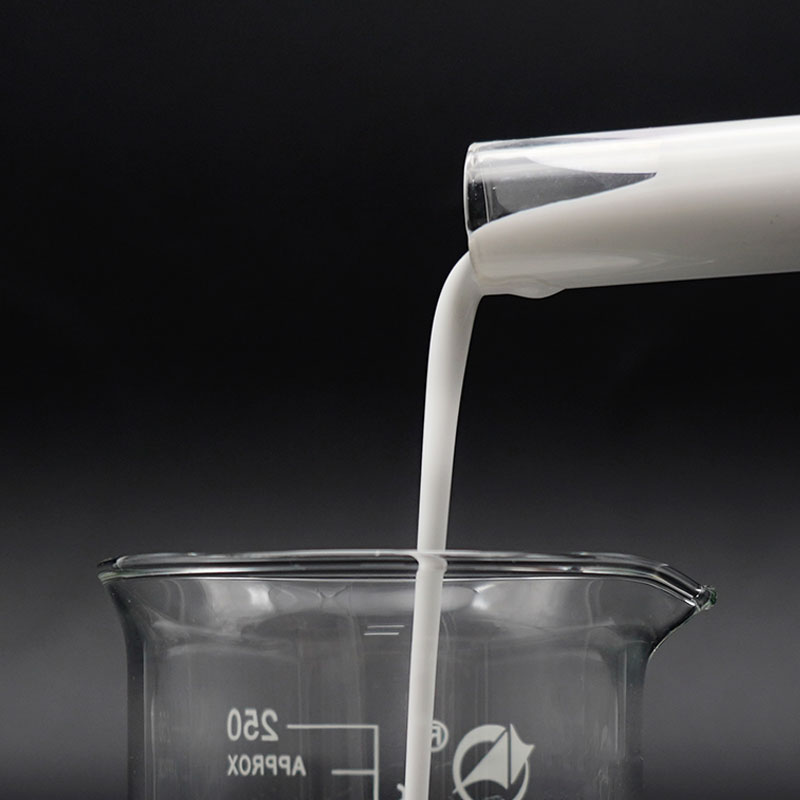
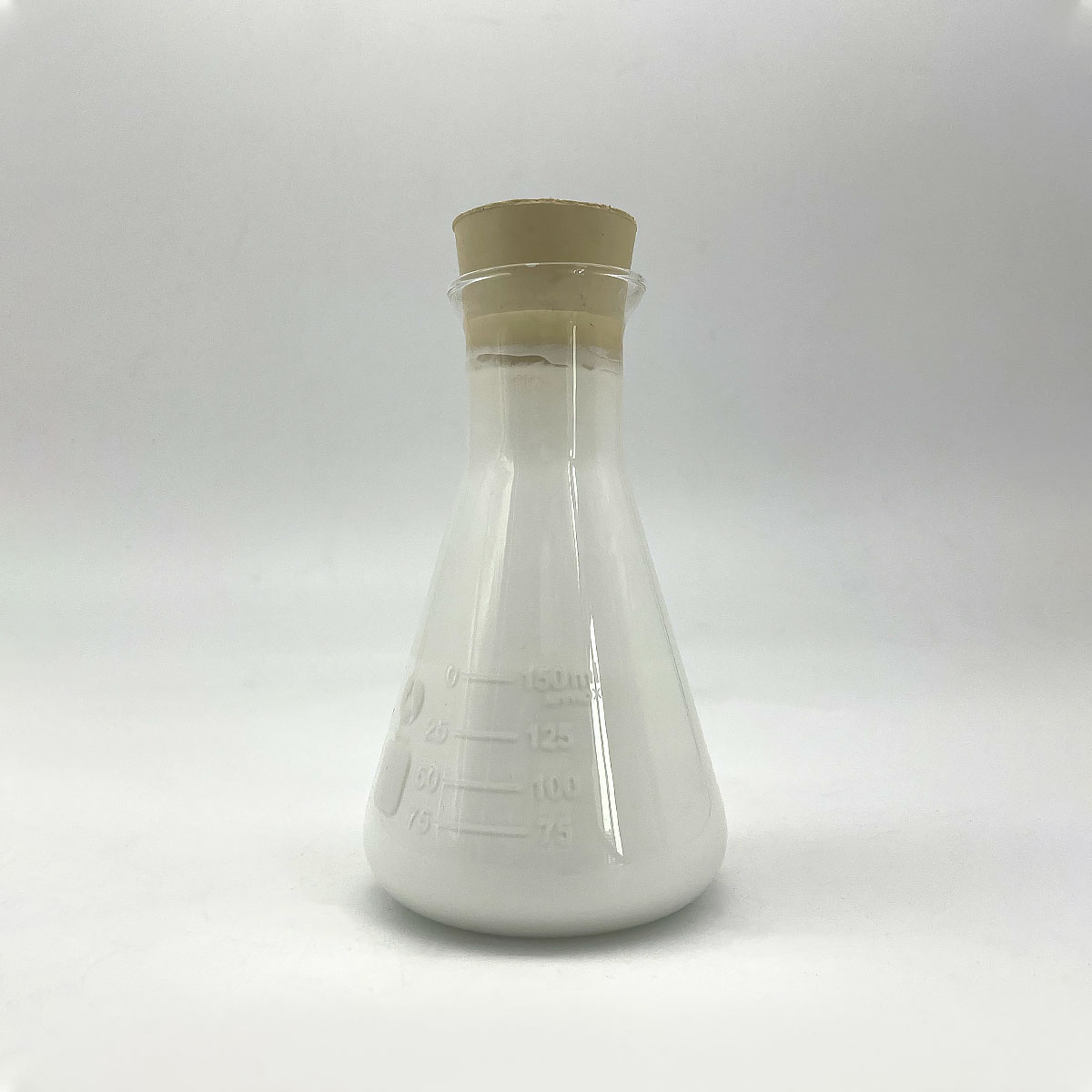
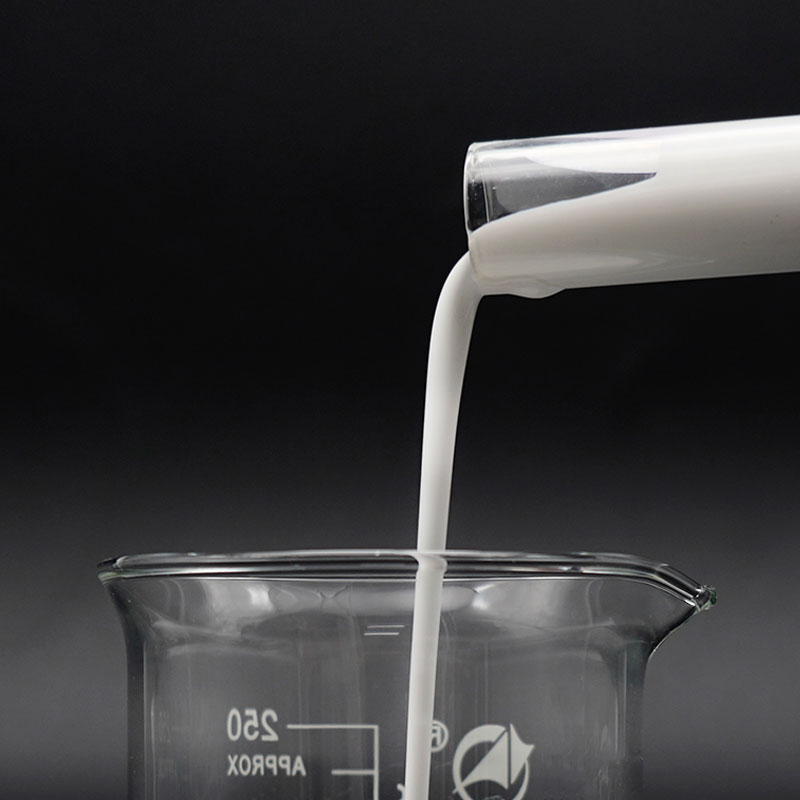
This coating uses nano vacuum aerogel innovation to deliver strong dampness resistance and thermal insulation on indoor wall surfaces. Forma un sottile, strato senza cuciture che blocca il vapore acqueo mantenendo gli spazi interni caldi in inverno e freschi nella stagione estiva.
L'articolo ha particelle di aerogel ultraleggere trattenute in una formula a base d'acqua. Questi frammenti producono milioni di piccole sacche d'aria che riducono il trasferimento di calore. Allo stesso tempo, il rivestimento respinge l'umidità senza intrappolarla all'interno dell'ossatura della superficie muraria. Questo aiuta a evitare muffe e funghi, muffa, e vernice scrostata.
Facile da applicare , lo strato si occupa di rulli o spruzzatori standard. Uno strato copre fino a 8– 10 metri quadrati per litro, a seconda della struttura della superficie. Si asciuga prontamente– normalmente entro 2– 4 ore– e sovraverniciabile con normali pitture per interni a completa guarigione.
A differenza dei prodotti isolanti convenzionali come pannelli in schiuma o fibra di vetro, questo rivestimento non aggiunge praticamente spessore alle superfici delle pareti. Si adatta perfettamente alle stanze strette, strutture storiche, o aree in cui ogni centimetro quadrato conta. Allo stesso modo previene i soliti problemi come il cedimento, riducendo, o emanare odori nel tempo.
La formula soddisfa rigorosi standard di massima qualità dell'aria indoor. It has no unstable natural substances (COV) ed è privo di rischi per le case, luoghi di lavoro, scuole, e centri di assistenza medica. La sua efficienza rimane costante per diversi anni, anche in caso di elevata umidità o sbalzi di temperatura.
Adatto per scantinati, bagni, zone cottura, e pareti esterne, questo strato offre una protezione duratura con una manutenzione marginale. Riduce le spese energetiche diminuendo la perdita di calore attraverso le superfici delle pareti. I proprietari di case e i costruttori di case lo scelgono per la sua affidabilità, semplicità, e un risultato di isolamento impercettibile ma potente.

Applicazioni del rivestimento isolante in nano aerogel sottovuoto per pareti interne a prova di umidità & Isolamento termico
Applicazioni del rivestimento isolante in aerogel per nano aspirapolvere per pareti interne
Arresta l'umidità, Mantieniti a tuo agio
Finitura isolante in nano aerogel sottovuoto offre una saggia soluzione per le pareti interne che incontrano problemi di umidità e temperatura. Questo materiale innovativo crea un sottile, strato traspirante che impedisce al vapore acqueo di entrare nelle pareti. Allo stesso tempo, impedisce al calore interno di fuoriuscire in inverno e mantiene il calore esterno per tutta l'estate.
Molte case lottano con le superfici delle pareti bagnate, crescita di muffe, o punti freddi vicino a finestre e angoli. L'isolamento tipico solitamente occupa un'area elevata o necessita di importanti lavori di costruzione. Questa copertura risolve questi problemi senza smontare pareti o aggiungere strati ingombranti. Lo applichi semplicemente come una vernice– liscio, presto, e ordinato.
Il segreto sta nella sua nanostruttura. Milioni di piccole sacche d'aria intrappolano il calore con successo lasciando penetrare la superficie della parete “fai un respiro.” Ciò implica che non vi sia umidità intrappolata dietro la superficie, che è una delle cause principali del distacco della vernice e dei danni alla superficie della parete. Il risultato è completamente asciutto, ambiente interno sicuro che sembra davvero molto più confortevole tutto l'anno.
Dove funziona meglio
Questa copertura è ottimale per i seminterrati, servizi igienici, cucine, e qualsiasi tipo di spazio con elevata umidità. Funziona bene anche negli edifici più vecchi dove l'isolamento non è mai stato installato o si è indebolito nel tempo. Professionisti e proprietari di immobili lo scelgono perché fa risparmiare energia, taglia il riscaldamento & costi di raffreddamento, e protegge la struttura della struttura.
A differenza dei pannelli in schiuma o fibra di vetro, questo rivestimento a base di aerogel non si deposita, ridurre, o ridurre gradualmente le prestazioni. Appena utilizzato, rimane affidabile per anni senza necessità di manutenzione. È sicuro, sicuro, e adatto con la maggior parte dei rivestimenti murali– malta, muro a secco, calcestruzzo, o bloccare.
Utilizzalo durante nuove costruzioni o come retrofit. In ogni caso, ottieni una forte resistenza all'umidità e un isolamento termico affidabile in un semplice passaggio.
Applicazioni dell'isolamento termico dell'aerogel di silice
-
Isolamento termico: Utilizzato nel settore aerospaziale per l'isolamento dei veicoli spaziali, e negli edifici commerciali e residenziali per finestre e materiali isolanti ad alta efficienza energetica.
-
Bonifica ambientale: Aerogel’ l'elevata superficie li rende efficaci nell'assorbire sostanze inquinanti come fuoriuscite di petrolio e metalli pesanti dall'acqua.
-
Assorbimento del suono: La loro struttura porosa assorbe efficacemente le onde sonore, rendendoli utili nelle applicazioni di riduzione del rumore.
-
Elettronica: Aerogel’ la bassa conduttività termica e le proprietà di isolamento elettrico trovano applicazioni nella tecnologia dei semiconduttori e delle batterie.
-
Ottica e Fotonica: Gli aerogel traslucidi sono utilizzati nei dispositivi ottici, strutture che guidano la luce, e come filtri.
-
Consegna di farmaci: L'elevata area superficiale può essere utilizzata per il rilascio controllato del farmaco, rendere gli aerogel candidati per applicazioni mediche avanzate.
Profilo Aziendale
Graphne Aerogels è un fornitore globale affidabile di materiali chimici & produttore con oltre 12 anni di esperienza nella fornitura di prodotti in aerogel e grafene di altissima qualità.
L'azienda dispone di un dipartimento tecnico professionale e di un dipartimento di supervisione della qualità, un laboratorio ben attrezzato, e dotato di apparecchiature di collaudo avanzate e centro di assistenza clienti post-vendita.
Se stai cercando grafene di alta qualità, aerogel e relativi prodotti, non esitate a contattarci o fare clic sui prodotti necessari per inviare una richiesta.
Metodi di pagamento
L/C, T/T, Unione occidentale, PayPal, Carta di credito ecc.
Spedizione
Potrebbe essere spedito via mare, per via aerea, o rivelandolo al più presto possibile non appena ricevuta il rimborso.
Domande frequenti sull'isolamento termico dell'aerogel di silice
Q: L'isolamento termico in aerogel di silice è fragile?
UN: Gli aerogel tradizionali sono fragili e fragili; Tuttavia, i progressi hanno portato allo sviluppo di “flessibile” O “rigido” aerogel che mantengono le loro proprietà uniche pur essendo più durevoli.
Q: Come viene realizzato l'isolamento termico in aerogel di silice?
UN: L'isolamento termico in aerogel di silice viene sintetizzato sostituendo il liquido in gel con gas senza causare il collasso della struttura. Ciò è tipicamente ottenuto attraverso l'essiccazione supercritica, dove il solvente viene convertito in uno stato supercritico, permettendogli di evaporare senza formare interfacce liquido-gas che potrebbero danneggiare la struttura del gel.
Q: L'isolamento termico in aerogel di silice è costoso?
UN: Storicamente, gli aerogel sono stati costosi a causa del loro complesso processo di produzione. Tuttavia, con i progressi tecnologici e le economie di scala, i costi stanno gradualmente diminuendo.
Q: L'isolamento termico in aerogel di silice può condurre elettricità?
UN: La maggior parte degli aerogel sono cattivi conduttori di elettricità a causa della loro porosità, natura isolante. Tuttavia, alcuni aerogel di ossidi metallici possono mostrare proprietà semiconduttrici o addirittura conduttrici.
Q: L'isolamento termico in aerogel di silice è ecologico?
UN: Gli aerogel stessi non presentano rischi ambientali, e il loro utilizzo nell’isolamento può ridurre il consumo energetico. Tuttavia, il processo di produzione può coinvolgere sostanze chimiche che richiedono un'attenta manipolazione e smaltimento.
5 Domande frequenti sul rivestimento isolante in nano aerogel sottovuoto per pareti interne a prova di umidità & Isolamento termico
Domande frequenti
Cos'è il rivestimento isolante Nano Aerogel sotto vuoto?
Questo rivestimento utilizza la tecnologia avanzata del nano aerogel. Crea un sottile, strato leggero sulle pareti interne. Lo strato blocca l'umidità e riduce il trasferimento di calore. Funziona come una barriera termica ad alte prestazioni senza occupare spazio.
Come ferma l'umidità?
Il rivestimento forma una struttura a cellule chiuse che respinge il vapore acqueo. Impedisce all'umidità di penetrare nella superficie della parete. Questo aiuta a evitare la muffa, vernice scrostata, e danni alle pareti causati dall'umidità.
È sicuro per uso interno?
SÌ. Il prodotto non contiene COV nocivi o sostanze chimiche tossiche. Soddisfa gli standard di qualità dell'aria interna. Puoi applicarlo nelle case, uffici, e altri spazi abitativi senza problemi di salute.
Quanto spessore deve essere applicato il rivestimento?
Per la maggior parte delle situazioni è sufficiente un singolo strato di 1–2 mm. Gli strati più spessi offrono un migliore isolamento ma di solito non sono necessari all’interno. Seguire le istruzioni sull'etichetta per ottenere i migliori risultati.
Posso dipingerci sopra??
SÌ. Una volta che il rivestimento si è asciugato completamente, sopra puoi applicare la normale vernice per interni. Assicurarsi che la superficie sia pulita e completamente stagionata prima di verniciare. Ciò mantiene sia l'isolamento che la finitura in buone condizioni.