Awọn ẹka ọja
- Graphene (129)
- Airgel Powder (85)
- Airgel ibora (92)
- Aso Airgel (81)
- Airgel (129)
 English
 Afrikaans
 Shqip
Shqip አማርኛ
አማርኛ العربية
 Հայերեն
 azərbaycan dili🌐Euskara
 башҡорт теле
 Беларуская
 বাংলা
বাংলা bosanski jezik
 Български
 မြန်မာစာ🌐Català
 Binisaya
 Chinyanja🌐Corsu
 Hrvatski
 Čeština
 Dansk
Dansk Nederlands
 Esperanto
 Eesti keel
 vosa VakavitiWikang Filipino
 Suomi
Suomi Français🌐Frysk
 Galego
 ქართული
 Deutsch
 Ελληνικά🌐ગુજરાતી
 Kreyòl ayisyen🌐Harshen Hausa🌐ʻŌlelo Hawaiʻi🌐Hmoob🌐Hmoob Daw
 עברית
עברית Мары йӹлмӹ
 हिन्दी; हिंदी
 Magyar
 Íslenska
 Asụsụ Igbo
 Bahasa Indonesia
 Gaeilge
 Italiano
 日本語🌐basa Jawa🌐ಕನ್ನಡ
 Қазақ тілі
 ភាសាខ្មែរ
 кыргыз тили
 한국어🌐Kurdî
 ພາສາລາວ
 Latīna
 Latviešu valoda
 Lietuvių kalba
 Lëtzebuergesch
 македонски јазик
 Malagasy fiteny
 Bahasa Melayu🌐മലയാളം
 Malti
Malti Te Reo Māori🌐मराठीмарий йылме
 Монгол
 नेपाली
 Norsk🌐Querétaro Otomi
 Papiamentu
 پارسی
پارسی Polski
 Português
 Português do Brasil
 ਪੰਜਾਬੀ
 RomânăРусский
 gagana fa'a Samoa🌐Gàidhlig
 Cрпски језик
 Sesotho
 chiShona🌐سنڌي
 සිංහල
සිංහල Slovenčina
 Slovenščina
 Af-Soomaali
 Español🌐Basa Sunda
 Kiswahili
 SvenskaTagalog
 Reo Mā`ohi'
 Тоҷикӣ🌐தமிழ்
 татарча🌐తెలుగు
 ภาษาไทย
 faka Tonga
 Türkçe🌐удмурт кыл
 Українськаاردو
 Oʻzbek tili
 Tiếng Việt🌐CymraegisiXhosa🌐ייִדיש🌐èdè Yorùbá
 Màaya T'àanisiZulu
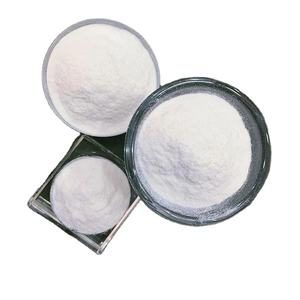
Akopọ ti Airgel Powder
Aerogel Powder is derived from a gel in which the liquid component has been replaced by gas, resulting in a solid matrix with extremely high porosity (typically >90%) and a labyrinth of nanometer-sized pores. This unique structure is processed and ground into a fine, hydrophobic powder while preserving its legendary properties. It is chemically inert, non-toxic, and offers an extraordinary combination of lightness and performance in an easy-to-integrate form factor.
Awọn ẹya ara ẹrọ ti Airgel Powder
Unmatched Thermal Insulation: Possesses the lowest thermal conductivity of any known solid, providing superior insulating efficiency in minimal space.
Lalailopinpin Low iwuwo: One of the lightest solid materials on Earth, reducing weight in composites and coatings.
Ga dada Area: A single gram can have a surface area exceeding 600-800 m², enabling exceptional adsorption and catalytic support capabilities.
Hydrophobic Nature: Treated to repel water, ensuring stable performance in humid environments and preventing moisture damage.
Excellent Dispersion: Fine powder form allows for uniform mixing into polymers, ti a bo, plasters, and liquid systems.
Kemikali & Fire Resistance: Inherently inert and offers significant fire-retardant properties, enhancing product safety.
Wapọ Integration: Can be incorporated into a wide range of matrices—from epoxies and paints to textiles and concretes.
Awọn ohun elo ti Airgel Powder
To ti ni ilọsiwaju Composites: Lightweight filler for aerospace, ọkọ ayọkẹlẹ, and marine components to improve insulation and reduce weight.
High-Performance Coatings & Paints: Creates ultra-thin, insulating, and protective coatings for industrial pipes, awọn tanki ipamọ, and building envelopes.
Energy Sector: Insulation for downhole pipes in oil & gaasi, LNG transport, and high-temperature process equipment.
Building Materials: Additive for plasters, renders, and specialized concretes to enhance thermal performance without significant thickness.
Awọn ẹrọ itanna & Batteries: Used as a separator or functional filler in batteries for thermal management and safety; substrate for sensors.
Life Sciences & Catalysis: Ultra-high surface area makes it an ideal carrier for catalysts, adsorbents, and in chromatographic systems.
Onibara & Ita gbangba jia: Integrated into polymers for insulated apparel, footwear, and high-tech equipment requiring minimal weight and bulk.
Ifihan ile ibi ise
Graphene Aerogels jẹ olupese ohun elo kemikali agbaye ti o gbẹkẹle & olupese pẹlu iriri ju ọdun 12 lọ ni ipese graphene didara to gaju, airgel ati ojulumo awọn ọja.
Ile-iṣẹ naa ni ẹka imọ-ẹrọ ọjọgbọn ati Ẹka Abojuto Didara, yàrá ti o ni ipese daradara, ati ipese pẹlu to ti ni ilọsiwaju igbeyewo ẹrọ ati lẹhin-tita onibara iṣẹ aarin.
Ti o ba n wa graphene ti o ga julọ, airgel ati ojulumo awọn ọja, jọwọ lero free lati kan si wa tabi tẹ lori awọn ọja ti o nilo lati firanṣẹ ibeere kan.
Awọn ọna isanwo
L/C, T/T, Western Union, Paypal, Kaadi Kirẹditi ati bẹbẹ lọ.
Gbigbe
O le jẹ gbigbe nipasẹ okun, nipa afẹfẹ, tabi nipasẹ fifihan ASAP ni kete ti iwe isanpada.
5 FAQs ti Airgel Powder
1. How is Aerogel Powder different from monolithic (solid sheet/blanket) airgel?
Aerogel Powder offers ultimate formulation flexibility. While monolithic aerogels are fixed shapes, the powder can be blended, mixed, or embedded into other materials to create composite systems with enhanced properties, enabling entirely new applications.
2. Ṣe Airgel Powder ailewu lati mu?
Bẹẹni, but standard precautions for handling fine powders should be followed. Use in a well-ventilated area and wear a dust mask (NIOSH N95) to avoid inhalation. It is non-toxic and chemically inert. Always refer to the Safety Data Sheet (SDS) for detailed guidelines.
3. What is the recommended loading percentage when mixing into resins or coatings?
Optimal loading depends on the base material and desired properties (idabobo, density, viscosity). Typical loadings range from 1% si 10% nipa iwuwo. We recommend starting with small trials to determine the ideal ratio for your specific process and performance requirements.
4. Can Aerogel Powder withstand high temperatures?
Bẹẹni. Depending on its specific chemistry (f.eks., silica-based), it can typically withstand continuous exposure to temperatures exceeding 500°C while maintaining its insulating structure, making it suitable for many high-temperature industrial applications.
5. How should I store Aerogel Powder?
Store in a cool, dry place in its original, tightly sealed container. Its hydrophobic nature protects it from moisture degradation, but keeping it sealed prevents contamination and ensures long-term stability and free-flowing characteristics.