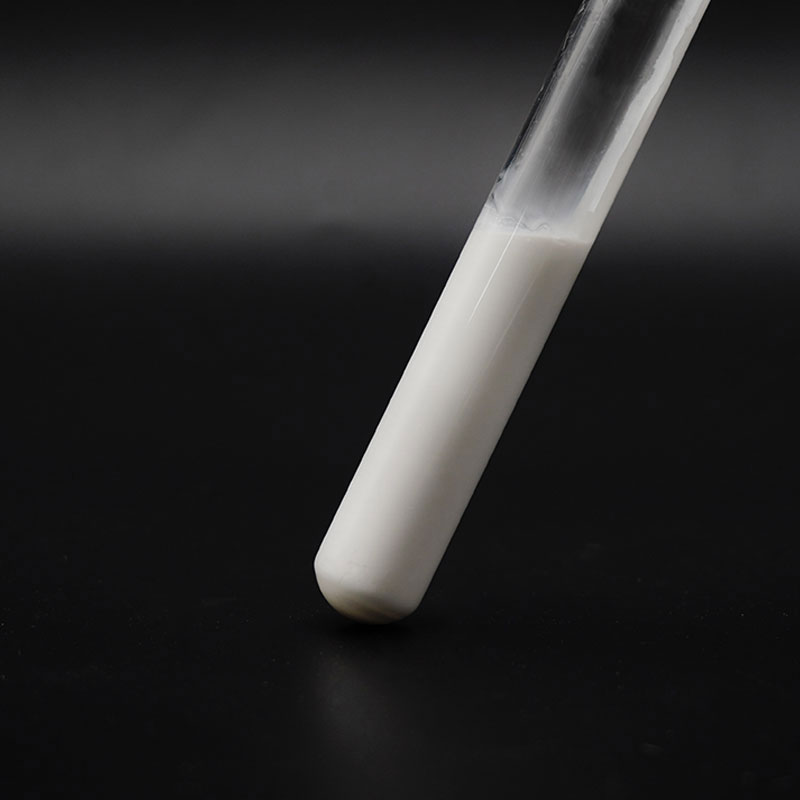
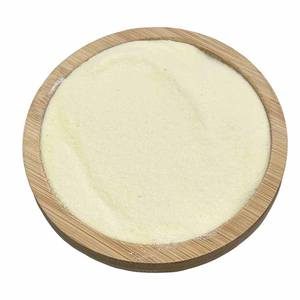
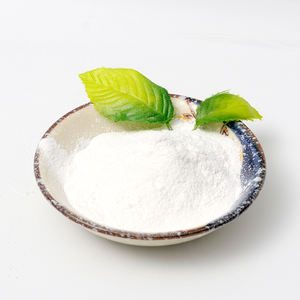
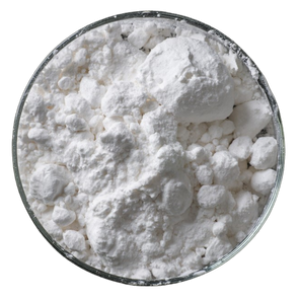
Overview of Hydrophilic Type Hydrophobic Type Silica Aerogel Powder
Airgel lulú jẹ fọọmu granular ti ohun elo ti o fẹẹrẹ julọ ni agbaye, tí a sábà máa ń pè ní “èéfín dídì.” Ohun elo nanoporous yii ni a ṣẹda nipasẹ rirọpo omi ni gel pẹlu gaasi, Abajade ni ohun olekenka-kekere iwuwo ri to pẹlu extraordinary-ini. Lulú airgel wa ṣe idaduro awọn agbara iyasọtọ ti awọn aerogels monolithic ni wapọ, rọrun-lati-ṣepọ kika fun Oniruuru ile ise ati iwadi awọn ohun elo.
Features of Hydrophilic Type Hydrophobic Type Silica Aerogel Powder
-
Imudara Gbona Kekere Lalailopinpin: Nfun superior idabobo išẹ, ani ni awọn iwọn agbegbe.
-
Porosity ti o ga & Dada Area: Awọn ẹya ara ẹrọ kan naoporous be pẹlu kan dada agbegbe gidigidi 600 m²/g fun adsorption iyasọtọ ati agbara katalitiki.
-
Ultra-Low iwuwo: Ọkan ninu awọn ohun elo to lagbara julọ ti a mọ si eniyan.
-
Awọn aṣayan Hydrophobic tabi Hydrophilic: Wa ninu awọn agbekalẹ ti o yala tabi fa omi lati baamu awọn iwulo ohun elo kan pato.
-
O tayọ Fire Resistance: Inorganic silica-based lulú jẹ inherently ti kii-flammable ati ki o le withstand ga awọn iwọn otutu.

Specification of Hydrophilic Type Hydrophobic Type Silica Aerogel Powder
Hydrophilic and Hydrophobic Silica Aerogel Powder Specs
Product Summary
Silica airgel lulú jẹ iwuwo-ina, highly permeable product made from silica gel. It has extremely reduced density and excellent thermal insulation homes. This product comes in 2 major types: hydrophilic and hydrophobic. Each type serves different commercial requirements based upon exactly how it responds with water.
Hydrophilic Kind
The hydrophilic silica aerogel powder takes in dampness from the air. It consists of surface area silanol (Si-OH) teams that draw in water particles. This kind is perfect for applications where wetness control or absorption is needed. Regular uses consist of desiccants, driver sustains, and specific finishes. Its particular surface generally varies from 500 si 800 m TWO/ g. The average bit size drops between 1 si 20 micrometers. Bulk density has to do with 0.03– 0.08 g/cm ³
. Hydrophobic Kind
The hydrophobic version drives away water. Its surface area is treated with methyl or various other organic groups, which obstruct water absorption. This makes it steady in damp settings. It is typically made use of in insulation products, kun, and composites that must stay dry. The particular surface for this type is slightly reduced, around 400 si 700 m²/g. Fragment dimension continues to be similar– 1 si 20 micrometers. Bulk density additionally remains within 0.03– 0.08 g/cm FOUR.
Key Physical Features
Both types share core attributes: ultra-low thermal conductivity (as reduced as 0.013– 0.020 W/m · K), high porosity (lori 90%), and outstanding fire resistance. They are white to transparent in look and chemically inert under normal problems. Storage should be in sealed containers to prevent undesirable dampness uptake– particularly for the hydrophilic type.
Note: Constantly confirm compatibility with your application setting prior to usage. Take care of with common dust-control safety measures.

Applications of Hydrophilic Type Hydrophobic Type Silica Aerogel Powder
Applications of Hydrophilic and Hydrophobic Silica Aerogel Powder
Silica aerogel powder comes in 2 akọkọ orisi: hydrophilic and hydrophobic. Each type has distinct residential or commercial properties that make it helpful in different industries.
Hydrophilic Silica Airgel Powder
Hydrophilic silica aerogel brings in water. This makes it excellent for applications where moisture control is required. It is frequently used as a thickening representative in paints, ti a bo, and adhesives. The powder assists improve structure and stability without altering the item’s efficiency. Ni Kosimetik, it gives lotions and creams a smooth feeling while absorbing excess oil. It likewise works well in food packaging to keep products completely dry and fresh much longer. Since it bonds conveniently with water-based systems, suppliers choose it for eco-friendly formulas.
Hydrophobic Silica Airgel Powder
Hydrophobic silica aerogel drives away water. This feature is useful in atmospheres where moisture resistance matters. It is extensively made use of in insulation materials for structures, oniho, and home appliances. The powder catches air and blocks warmth transfer, making it among the best thermal insulators available. Ni awọn ẹrọ itanna, it safeguards delicate parts from moisture and condensation. Outside gear like jackets and footwear likewise utilizes this powder to stay light-weight and water resistant. Oil and gas industries depend on it to prevent rust in equipment subjected to wet problems. Its capacity to stay dry ensures lasting efficiency in rough setups.
Both kinds use outstanding surface and low density. They are lightweight, ti kii-majele ti, and chemically stable. Picking in between them depends on whether the application needs to absorb or block dampness. Designers, agbekalẹ, and designers choose the ideal type based upon the end-use setting. This flexibility makes silica aerogel powder a key material across several modern-day technologies.
Ifihan ile ibi ise
Graphne Aerogels jẹ olupese ohun elo kemikali agbaye ti o gbẹkẹle & olupese pẹlu iriri ju ọdun 12 lọ ni ipese airgel ti o ga julọ ati awọn ọja graphene.
Ile-iṣẹ naa ni ẹka imọ-ẹrọ ọjọgbọn ati Ẹka Abojuto Didara, yàrá ti o ni ipese daradara, ati ipese pẹlu to ti ni ilọsiwaju igbeyewo ẹrọ ati lẹhin-tita onibara iṣẹ aarin.
Ti o ba n wa graphene ti o ga julọ, airgel ati ojulumo awọn ọja, jọwọ lero free lati kan si wa tabi tẹ lori awọn ọja ti o nilo lati firanṣẹ ibeere kan.
Awọn ọna isanwo
L/C, T/T, Western Union, Paypal, Kaadi Kirẹditi ati bẹbẹ lọ.
Gbigbe
O le jẹ gbigbe nipasẹ okun, nipa afẹfẹ, tabi nipasẹ fifihan ASAP ni kete ti iwe isanpada.
5 FAQs of Hydrophilic Type Hydrophobic Type Silica Aerogel Powder
Frequently Asked Questions About Hydrophilic and Hydrophobic Silica Aerogel Powder
What is the difference between hydrophilic and hydrophobic silica aerogel powder?
Hydrophilic silica aerogel powder attracts water. It absorbs moisture from the air easily. Hydrophobic silica aerogel powder repels water. A special surface treatment makes it resist moisture. Choose hydrophilic for applications needing water interaction. Choose hydrophobic for dry, stable insulation.
Which type should I use for thermal insulation?
Use hydrophobic silica aerogel powder for most insulation jobs. It keeps its structure and performance even in humid conditions. Hydrophilic types may lose effectiveness when wet. That’s why outdoor or high-moisture environments need hydrophobic powder.
Can hydrophilic aerogel be turned into hydrophobic?
Bẹẹni. You can treat hydrophilic aerogel with silane-based chemicals. This changes its surface properties. After treatment, it becomes water-repellent. Many manufacturers do this during production to create hydrophobic versions.
How do I store silica aerogel powder safely?
Store hydrophobic powder in sealed containers away from direct sunlight. Keep it in a cool, ibi gbigbẹ. For hydrophilic powder, use airtight packaging with desiccants. Moisture will degrade its quality fast if not protected.
Se silica airgel lulú ailewu lati mu?
The powder is non-toxic but very fine. Nigbagbogbo wọ awọn ibọwọ, aabo gilaasi, and a dust mask. Avoid breathing in the particles. Work in a well-ventilated area. Both hydrophilic and hydrophobic types need the same basic safety steps.