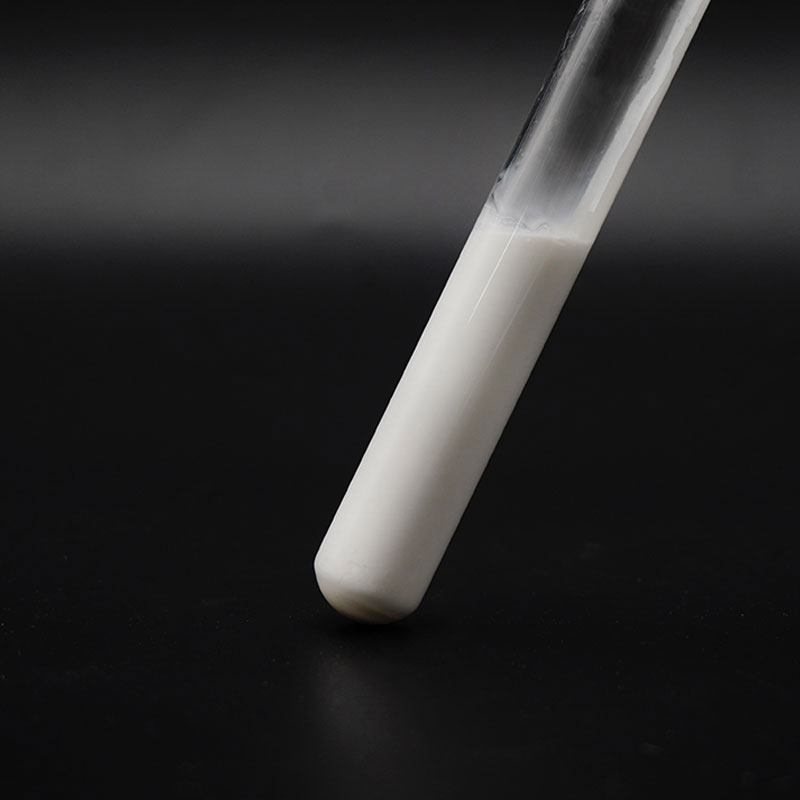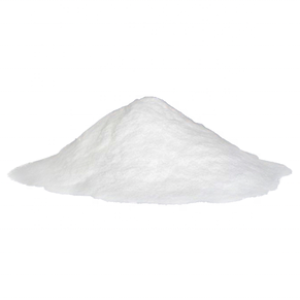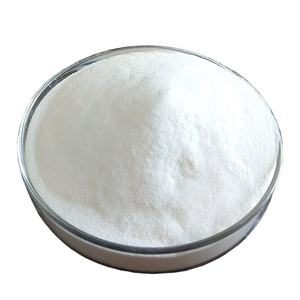
Descripción general del polvo de aerogel y los gránulos de partículas
El polvo de aerogel es la forma granular del material sólido más ligero del mundo, A menudo se le llama “humo congelado”. Esta sustancia nanoporosa se crea reemplazando el líquido de un gel por gas., dando como resultado un sólido de densidad ultrabaja con propiedades extraordinarias. Nuestro polvo de aerogel conserva las cualidades excepcionales de los aerogeles monolíticos en una forma versátil., formato fácil de integrar para diversas aplicaciones industriales y de investigación.
Características del polvo de aerogel y los gránulos de partículas
-
Conductividad térmica extremadamente baja: Ofrece un rendimiento de aislamiento superior, incluso en ambientes extremos.
-
Alta porosidad & Área de superficie: Presenta una estructura nanoporosa con un área de superficie superior 600 m²/g para una adsorción y un potencial catalítico excepcionales.
-
Densidad ultrabaja: Uno de los materiales sólidos más ligeros conocidos por el hombre..
-
Opciones hidrofóbicas o hidrofílicas: Disponible en formulaciones que repelen o absorben el agua para satisfacer necesidades de aplicación específicas..
-
Excelente resistencia al fuego: El polvo inorgánico a base de sílice es inherentemente no inflamable y puede soportar altas temperaturas..
Especificación de polvo de aerogel y gránulos de partículas
Especificación de polvo de aerogel y gránulos de partículas
Forma fisica
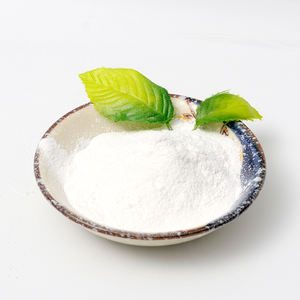
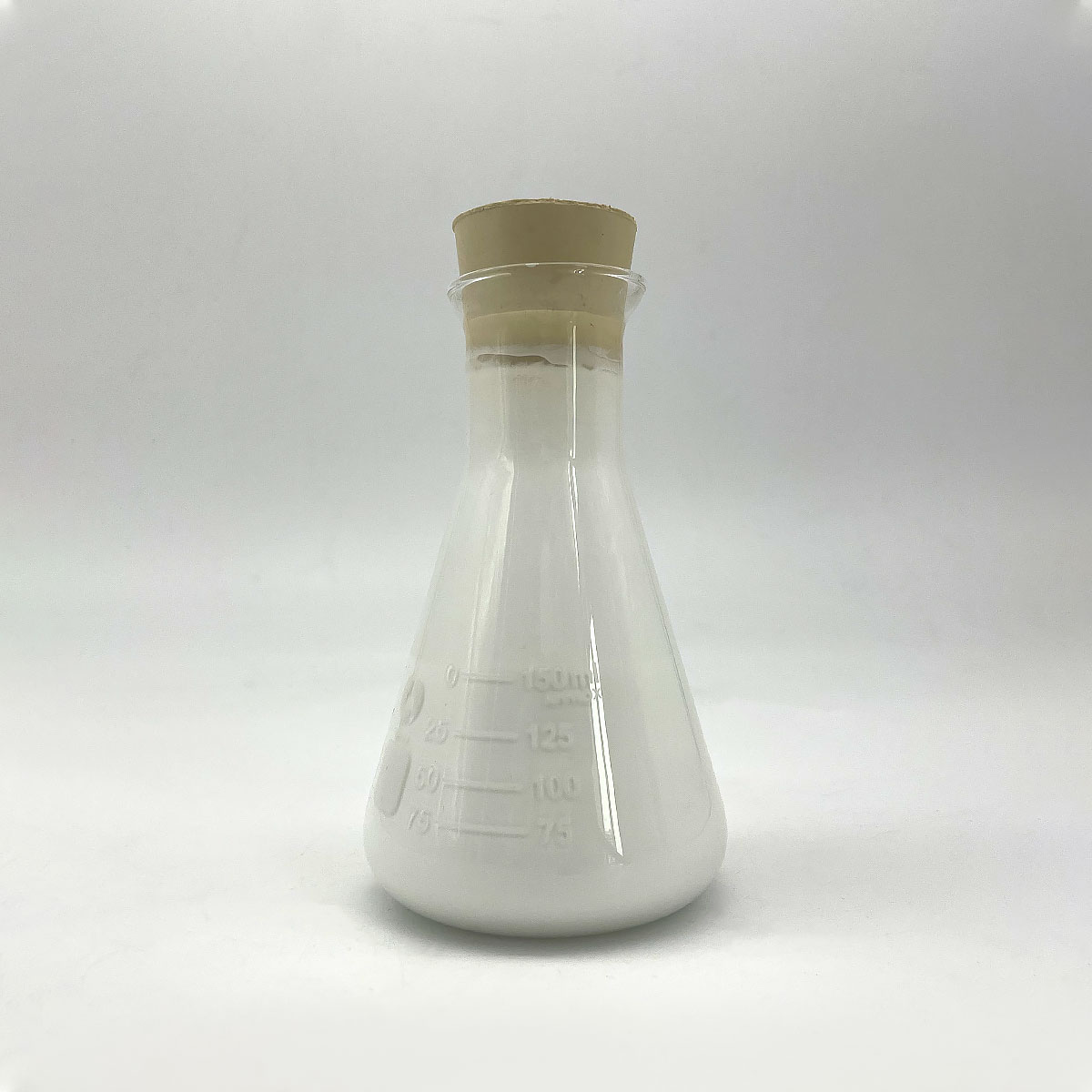
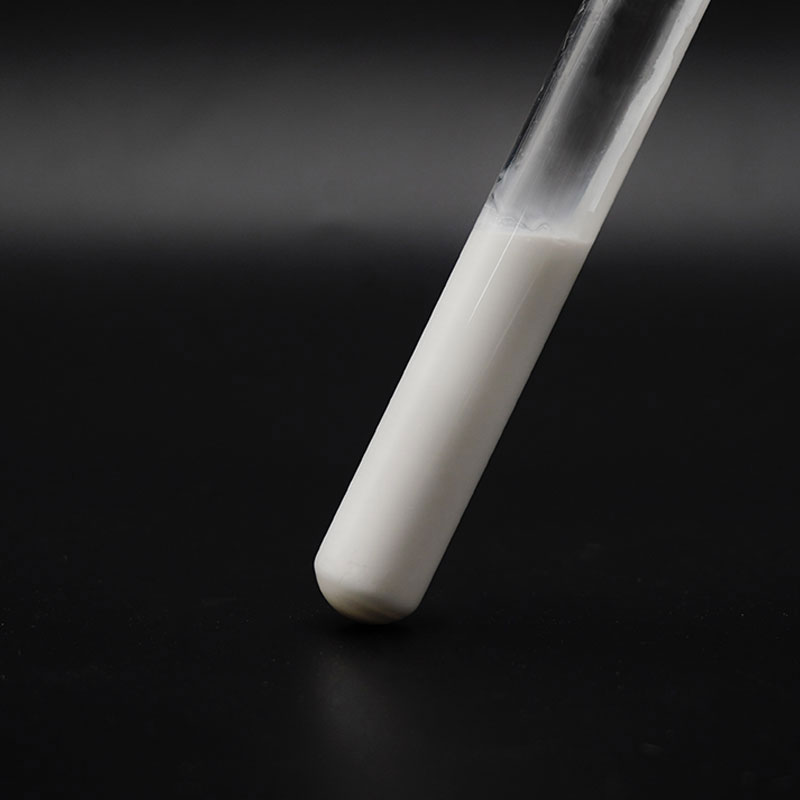
Polvo de aerogel aparece como una multa, sólido que fluye libremente con una luz, textura esponjosa. Gránulos de partículas son pequeños, Perlas uniformes formadas por aglomeración del polvo.. Ambas formas están secas al tacto y no se aglutinan en condiciones normales de almacenamiento..
Color y apariencia
El material suele ser blanco o blanquecino.. Puede mostrar un ligero tinte azulado bajo cierta iluminación debido a la dispersión de Rayleigh., un efecto óptico natural común en materiales nanoestructurados.
Densidad y Porosidad
La densidad aparente oscila entre 30 a 150 kg/m³ para polvo y 80 a 200 kg/m³ para gránulos, dependiendo de los métodos de procesamiento. La estructura interna es muy porosa., con tamaños de poro inferiores 50 nanómetros. La porosidad total generalmente excede 90%, dando al material su naturaleza ultraligera.
Conductividad térmica
A temperatura ambiente y presión ambiente., la conductividad térmica cae entre 0.013 y 0.020 con/(m·K). Este bajo valor lo convierte en uno de los mejores aislantes sólidos disponibles..
Sensibilidad a la humedad
Los productos de aerogel estándar son hidrófilos y pueden absorber la humedad del aire.. También hay versiones hidrofóbicas disponibles para aplicaciones que requieren resistencia al agua.. Estos grados tratados repelen el agua líquida mientras mantienen el rendimiento del aislamiento..
Tamaño de partícula
Promedio de partículas de polvo 1 a 20 micrómetros de diámetro. Los gránulos varían desde 0.5 a 3 milímetros, con distribución de tamaño ajustada para garantizar un flujo y un comportamiento de empaque consistentes.
Pureza y composición
El material base es sílice amorfa. (SiO₂), con niveles de pureza superiores 95%. Los oligoelementos pueden incluir sodio o carbono., dependiendo del proceso de fabricación. No se agregan aglutinantes ni rellenos a menos que se especifique para formulaciones personalizadas..
Embalaje y manipulación
Los productos se sellan en bolsas con barrera contra la humedad dentro de contenedores rígidos.. Almacenar en un lugar fresco, lugar seco. Evite la exposición prolongada al aire húmedo para preservar el rendimiento..
Aplicaciones de aerogel en polvo y gránulos de partículas
Aplicaciones de aerogel en polvo y gránulos de brocas
Aislamiento Térmico en Edificios
Aerogel powder is mixed into plasters, proporciona, y paneles aislantes. Reduce la pérdida de calor a través de paredes y tejados.. Esto ayuda a que los edificios sigan siendo acogedores en los meses de invierno y frescos en la temporada de verano.. Los constructores de viviendas lo utilizan para cumplir con las pautas de eficiencia energética sin incluir capas gruesas de aislamiento..
Aislamiento de tuberías y herramientas industriales
Manufacturing facilities wrap pipelines and containers with aerogel granules packed right into flexible blankets or shaped parts. Estos gránulos disminuyen la transferencia de calor también en calores.. Funcionan bien cuando el espacio es reducido o hay problemas de peso., como en plataformas en el extranjero o plantas químicas.
Ropa y equipo exterior
Outside clothing brands mix great aerogel particles into textiles or linings. El producto retiene la temperatura pero sigue siendo ligero y transpirable.. Abrigos, cubiertas de ropa de mano, y bolsas de descanso con aerogel mantienen a los clientes calientes en problemas de frío sin volumen.
Usos en transporte y automoción
Cars and truck manufacturers include aerogel powder to battery packs in electrical automobiles. Impide que el calor se propague entre las células durante el procedimiento.. Los trenes y aviones también lo utilizan debajo del suelo o cerca de los motores para reducir el peligro de incendio y mejorar la comodidad de la cabina..
Embalaje de productos especiales y electrónica
Breakable or temperature-sensitive items ship inside boxes lined with aerogel granules . Estos gránulos protegen contra cambios inesperados de temperatura.. En dispositivos electrónicos, Capas delgadas de aerogel protegen los circuitos contra el sobrecalentamiento sin ocupar mucho espacio..
Funciones ambientales y de filtrado
Debido a su enorme superficie, aerogel powder grabs oils, quimicos, y metales pesados del agua. Opera en kits de limpieza de derrames y filtros industriales.. Algunas variaciones se reciclan después de la limpieza., lo que reduce el desperdicio y el costo.
Perfil de la empresa
Graphne Aerogels es un proveedor mundial confiable de materiales químicos & Fabricante con más de 12 años de experiencia en el suministro de productos de aerogel y grafeno de muy alta calidad..
La empresa cuenta con un departamento técnico profesional y un departamento de supervisión de calidad., un laboratorio bien equipado, y equipado con equipos de prueba avanzados y centro de servicio al cliente posventa.
Si buscas grafeno de alta calidad, aerogel y productos relacionados, no dude en contactarnos o hacer clic en los productos necesarios para enviar una consulta.
Métodos de pago
carta de crédito, T/T, Western Union, PayPal, Tarjeta de crédito, etc..
Envío
Podría ser enviado por mar, en avión, o revelándolo lo antes posible tan pronto como reciba el recibo de pago.
5 Preguntas frecuentes sobre el polvo de aerogel y los gránulos de partículas
Preguntas frecuentes sobre el polvo y los gránulos de partículas de aerogel
¿De qué está hecho el polvo de aerogel??
El polvo de aerogel proviene de geles a base de sílice.. Estos geles pasan por un proceso de secado especial llamado secado supercrítico.. Esto elimina el líquido sin encoger la estructura.. El resultado es un ultraligero, Material altamente poroso con fuertes propiedades aislantes..
¿En qué se diferencian los gránulos de partículas del polvo fino??
Los gránulos de partículas son más grandes y de tamaño más uniforme que el polvo fino.. Fluyen mejor y generan menos polvo durante la manipulación.. Esto los hace más fáciles de mezclar en recubrimientos., compuestos, o sistemas de aislamiento. El polvo fino funciona bien cuando necesitas una superficie máxima o una penetración profunda..
¿Por qué utilizar aerogel en productos aislantes??
Aerogel tiene una de las conductividades térmicas más bajas de cualquier material sólido.. Bloquea la transferencia de calor de manera muy efectiva.. Incluso una capa delgada puede proporcionar un aislamiento fuerte.. Por eso se utiliza en los edificios., tuberías, y ropa protectora donde el espacio es limitado pero el rendimiento importa.
¿Es seguro manipular el aerogel??
Sí, El aerogel de sílice no es tóxico y es químicamente inerte.. Aún, como cualquier polvo fino, puede irritar los ojos, piel, o pulmones si se inhala. Siempre usa guantes, gafas de seguridad, y una mascarilla antipolvo cuando trabaje con polvos sueltos. Los gránulos reducen este riesgo porque producen menos polvo en el aire..
¿Se puede mezclar el aerogel con otros materiales??
Absolutamente. El polvo y los gránulos de aerogel se mezclan bien con los polímeros., pinturas, emplastos, y cemento. Agregar incluso una pequeña cantidad mejora el rendimiento térmico sin cambiar demasiado el material base.. Asegúrese de seguir las instrucciones de mezcla para mantener intacta la estructura del aerogel y obtener los mejores resultados..