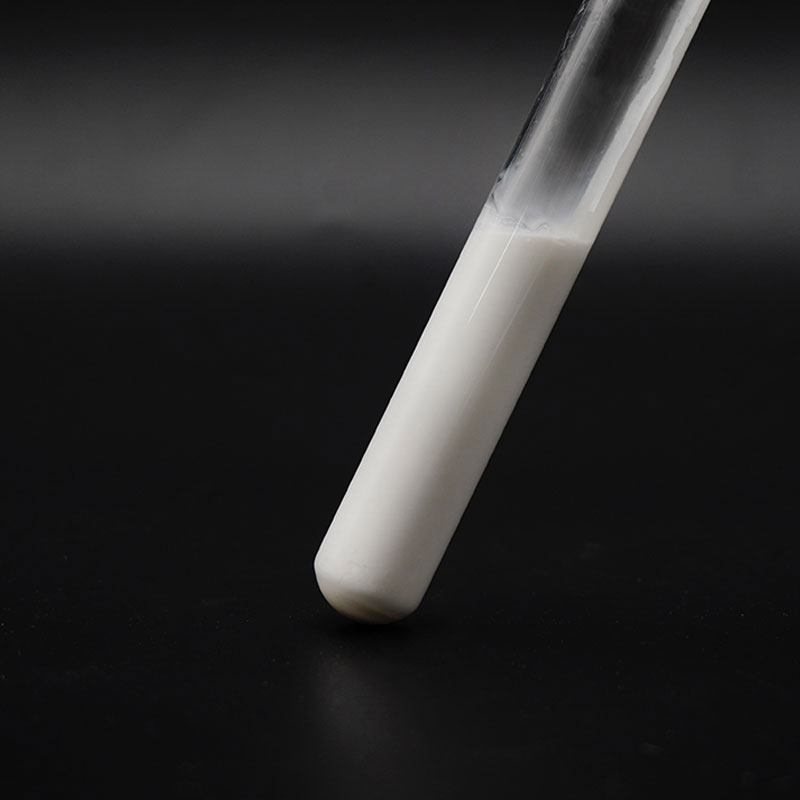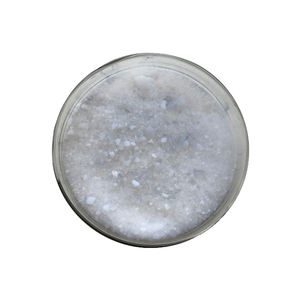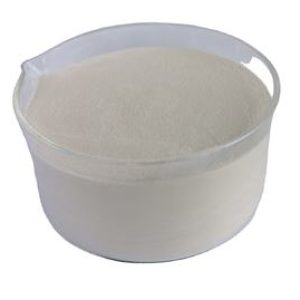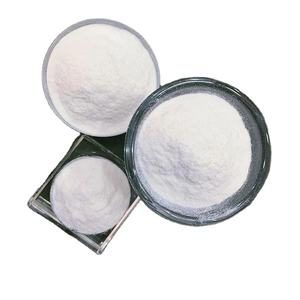
Panoramica della polvere di aerogel e del granello di particelle
La polvere di aerogel è la forma granulare del materiale solido più leggero al mondo, spesso chiamato “fumo ghiacciato”. Questa sostanza nanoporosa viene creata sostituendo il liquido in un gel con gas, risultando in un solido a bassissima densità con proprietà straordinarie. La nostra polvere di aerogel conserva le eccezionali qualità degli aerogel monolitici in modo versatile, formato facile da integrare per diverse applicazioni industriali e di ricerca.
Caratteristiche della polvere di aerogel e del granello di particelle
-
Conduttività termica estremamente bassa: Offre prestazioni di isolamento superiori, anche in ambienti estremi.
-
Alta porosità & Superficie: Presenta una struttura nanoporosa con un'area superficiale superiore 600 m²/g per un assorbimento e un potenziale catalitico eccezionali.
-
Densità ultrabassa: Uno dei materiali solidi più leggeri conosciuti dall'uomo.
-
Opzioni idrofobiche o idrofile: Disponibili in formulazioni che respingono o assorbono l'acqua per soddisfare esigenze applicative specifiche.
-
Eccellente resistenza al fuoco: La polvere inorganica a base di silice è intrinsecamente non infiammabile e può resistere alle alte temperature.
Specifiche della polvere di aerogel e del granello di particelle
Specifiche della polvere di aerogel e del granello di particelle
Forma fisica
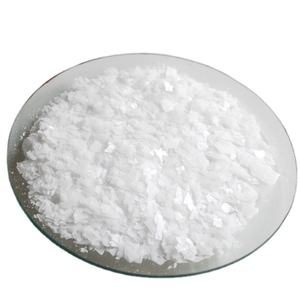
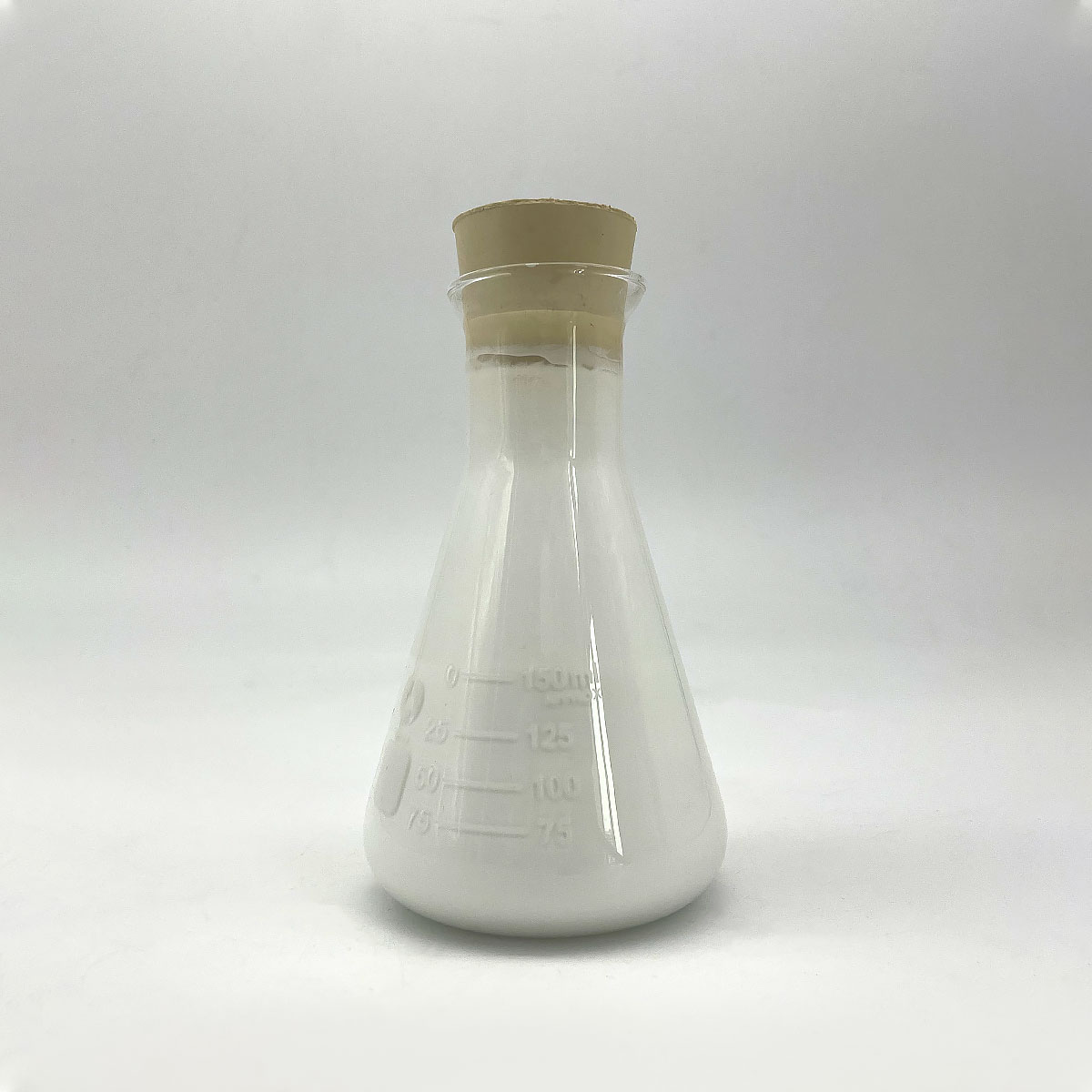
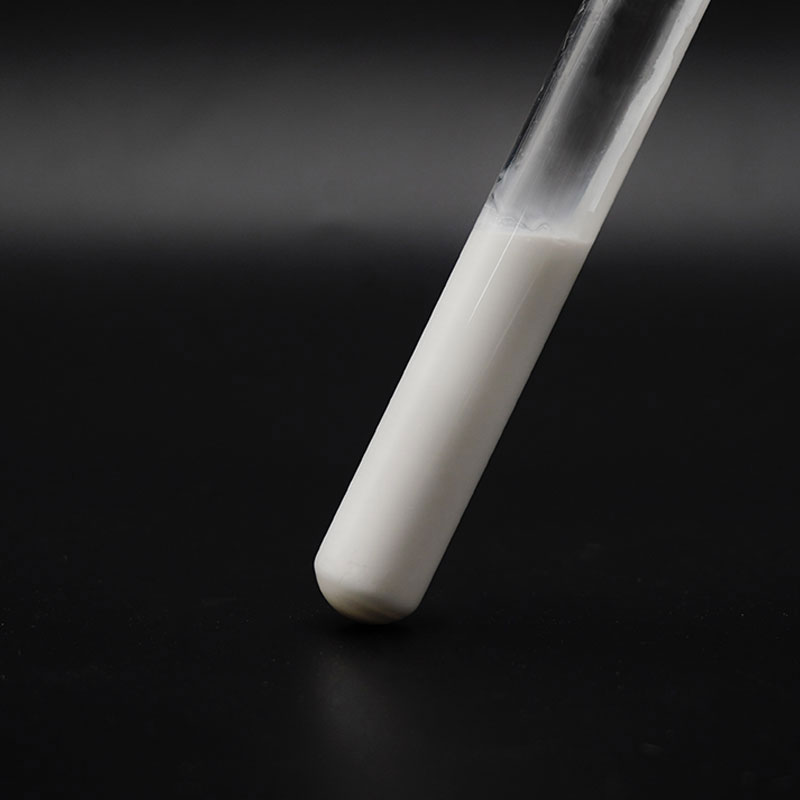
Polvere di aerogel appare come una multa, solido scorrevole con una luce, consistenza soffice. Granuli di particelle sono piccoli, perle uniformi formate dall'agglomerazione della polvere. Entrambe le forme sono asciutte al tatto e non formano grumi in normali condizioni di conservazione.
Colore e aspetto
Il materiale è tipicamente bianco o bianco sporco. Potrebbe mostrare una leggera sfumatura bluastra sotto determinate condizioni di illuminazione a causa della diffusione di Rayleigh, un effetto ottico naturale comune nei materiali nanostrutturati.
Densità e porosità
La densità apparente varia da 30 A 150 kg/m³ per polvere e 80 A 200 kg/m³ per granuli, a seconda delle modalità di lavorazione. La struttura interna è altamente porosa, con dimensioni dei pori inferiori 50 nanometri. La porosità totale solitamente supera 90%, conferendo al materiale la sua natura ultraleggera.
Conducibilità termica
A temperatura ambiente e pressione ambiente, la conduttività termica rientra nel mezzo 0.013 E 0.020 Con/(m·K). Questo valore basso lo rende uno dei migliori isolanti solidi disponibili.
Sensibilità all'umidità
I prodotti aerogel standard sono idrofili e possono assorbire l'umidità dall'aria. Sono disponibili anche versioni idrofobe per applicazioni che richiedono resistenza all'acqua. Questi gradi trattati respingono l'acqua liquida mantenendo le prestazioni di isolamento.
Dimensione delle particelle
Media delle particelle di polvere 1 A 20 micrometri di diametro. I granuli vanno da 0.5 A 3 millimetri, con distribuzione dimensionale ridotta per garantire un flusso e un comportamento di impaccamento costanti.
Purezza e composizione
Il materiale di base è silice amorfa (SiO₂), con livelli di purezza superiori 95%. Gli oligoelementi possono includere sodio o carbonio, a seconda del processo di produzione. Non vengono aggiunti leganti o riempitivi se non diversamente specificato per formulazioni personalizzate.
Imballaggio e movimentazione
I prodotti sono sigillati in sacchetti barriera all'umidità all'interno di contenitori rigidi. Conservare in un luogo fresco, luogo asciutto. Evitare l'esposizione prolungata all'aria umida per preservare le prestazioni.
Applicazioni di polvere di aerogel e granuli di particelle
Applicazioni di polvere di aerogel e granuli di bit
Isolamento termico negli edifici
Aerogel powder is mixed into plasters, fornisce, e pannelli isolanti. Riduce le dispersioni di calore attraverso pareti e coperture. Ciò aiuta gli edifici a rimanere accoglienti nei mesi invernali e freschi nella stagione estiva. I costruttori di case lo utilizzano per soddisfare le linee guida sull'efficienza energetica senza includere strati isolanti spessi.
Isolamento di tubazioni e attrezzature industriali
Manufacturing facilities wrap pipelines and containers with aerogel granules packed right into flexible blankets or shaped parts. Questi granuli riducono il trasferimento di calore anche durante i riscaldamenti. Funzionano bene dove lo spazio è ristretto o ci sono problemi di peso, come su piattaforme estere o impianti chimici.
Abbigliamento e attrezzature esterne
Outside clothing brands mix great aerogel particles into textiles or linings. Il prodotto intrappola la temperatura pur rimanendo leggero e traspirante. Cappotti, coperture per la manifattura, e i sacchetti di riposo con aerogel mantengono i clienti al caldo in caso di problemi di freddo senza ingombro.
Trasporti e usi automobilistici
Cars and truck manufacturers include aerogel powder to battery packs in electrical automobiles. Impedisce al calore di diffondersi tra le cellule durante la procedura. Anche i treni e gli aerei lo utilizzano sotto i pavimenti o vicino ai motori per ridurre il pericolo di incendio e migliorare la comodità della cabina.
Imballaggio ed elettronica di prodotti speciali
Breakable or temperature-sensitive items ship inside boxes lined with aerogel granules . Questi granuli proteggono dagli sbalzi imprevisti del livello di temperatura. Nei dispositivi elettronici, sottili strati di circuiti di aerogel proteggono dal surriscaldamento senza occupare molto spazio.
Ruoli ambientali e di filtro
A causa della sua enorme superficie, aerogel powder grabs oils, prodotti chimici, e metalli pesanti dall'acqua. Opera nei kit per la pulizia delle fuoriuscite e nei filtri industriali. Alcune varianti vengono riciclate dopo la pulizia, che riduce sprechi e costi.
Profilo Aziendale
Graphne Aerogels è un fornitore globale affidabile di materiali chimici & produttore con oltre 12 anni di esperienza nella fornitura di prodotti in aerogel e grafene di altissima qualità.
L'azienda dispone di un dipartimento tecnico professionale e di un dipartimento di supervisione della qualità, un laboratorio ben attrezzato, e dotato di apparecchiature di collaudo avanzate e centro di assistenza clienti post-vendita.
Se stai cercando grafene di alta qualità, aerogel e relativi prodotti, non esitate a contattarci o fare clic sui prodotti necessari per inviare una richiesta.
Metodi di pagamento
L/C, T/T, Unione occidentale, PayPal, Carta di credito ecc.
Spedizione
Potrebbe essere spedito via mare, per via aerea, o rivelandolo al più presto possibile non appena ricevuta il rimborso.
5 Domande frequenti sulla polvere di aerogel e sul granello di particelle
Domande frequenti sulla polvere di aerogel e sui granuli di particelle
Di cosa è fatta la polvere di aerogel?
La polvere di aerogel proviene da gel a base di silice. Questi gel passano attraverso uno speciale processo di essiccazione chiamato essiccazione supercritica. Questo rimuove il liquido senza restringere la struttura. Il risultato è un ultraleggero, materiale altamente poroso con forti proprietà isolanti.
In che modo i granuli di particelle differiscono dalla polvere fine?
I granuli delle particelle sono più grandi e di dimensioni più uniformi rispetto alla polvere fine. Scorrono meglio e creano meno polvere durante la movimentazione. Ciò li rende più facili da miscelare nei rivestimenti, compositi, o sistemi di isolamento. La polvere fine funziona bene quando è necessaria la massima superficie o una penetrazione profonda.
Perché utilizzare l'aerogel nei prodotti isolanti?
L'aerogel ha una delle conduttività termiche più basse di qualsiasi materiale solido. Blocca il trasferimento di calore in modo molto efficace. Anche uno strato sottile può fornire un forte isolamento. Ecco perché viene utilizzato negli edifici, condutture, e indumenti protettivi dove lo spazio è limitato ma le prestazioni contano.
L'aerogel è sicuro da maneggiare??
SÌ, l'aerogel di silice è atossico e chimicamente inerte. Ancora, come qualsiasi polvere fine, può irritare gli occhi, pelle, o polmoni se inalato. Indossare sempre i guanti, occhiali di sicurezza, e una maschera antipolvere quando si lavora con polvere sciolta. I granuli riducono questo rischio perché producono meno polvere aerodispersa.
L'aerogel può essere miscelato con altri materiali?
Assolutamente. La polvere e i granuli di aerogel si fondono bene con i polimeri, vernici, intonaci, e cemento. L'aggiunta anche di una piccola quantità migliora le prestazioni termiche senza modificare troppo il materiale di base. Assicurati di seguire le istruzioni di miscelazione per mantenere intatta la struttura dell'aerogel e ottenere i migliori risultati.