Overview of High Temperature Aerogel Thermal Insulation
Aerogeler är ultralätta, mycket porösa material kända för sina exceptionella isoleringsegenskaper, anmärkningsvärt låg densitet, och otroliga styrka-till-vikt-förhållanden. Benämns ofta som “frusen rök” på grund av deras eteriska utseende, aerogeler framställs genom att ersätta den flytande komponenten i en gel med gas, typiskt genom superkritisk torkning, vilket undviker kollaps av gelstrukturen. Består främst av luft (fram till 99.98%), dessa material uppvisar ett brett utbud av unika egenskaper som gör dem värdefulla inom olika branscher.
Features of High Temperature Aerogel Thermal Insulation
-
Extremt låg densitet: Aerogeler är några av världens lättaste fasta ämnen, med densiteter så låga som 0.001 gram per kubikcentimeter.
-
Superb isolering: De har extremt låg värmeledningsförmåga, vilket gör dem till de bästa isolatorerna som människan känner till, effektiv vid temperaturer från -270°C till 1 000°C.
-
Hög porositet: Med en porös struktur som kan nå upp till 99.9%, aerogeler har en otroligt stor inre yta, förbättra deras funktionalitet i absorptions- och katalysapplikationer.
-
Genomskinlig till genomskinlig: Beroende på deras sammansättning, aerogeler kan sända ljus, ger dem ett unikt halvtransparent eller transparent utseende.
-
Mekanisk styrka: Trots deras ömtåliga utseende, aerogeler kan konstrueras för att ha betydande mekanisk styrka, kan bära avsevärd vikt.
-
Kemiskt inert: Många aerogeler är kemiskt stabila och resistenta mot korrosion, vilket gör dem lämpliga för tuffa miljöer.
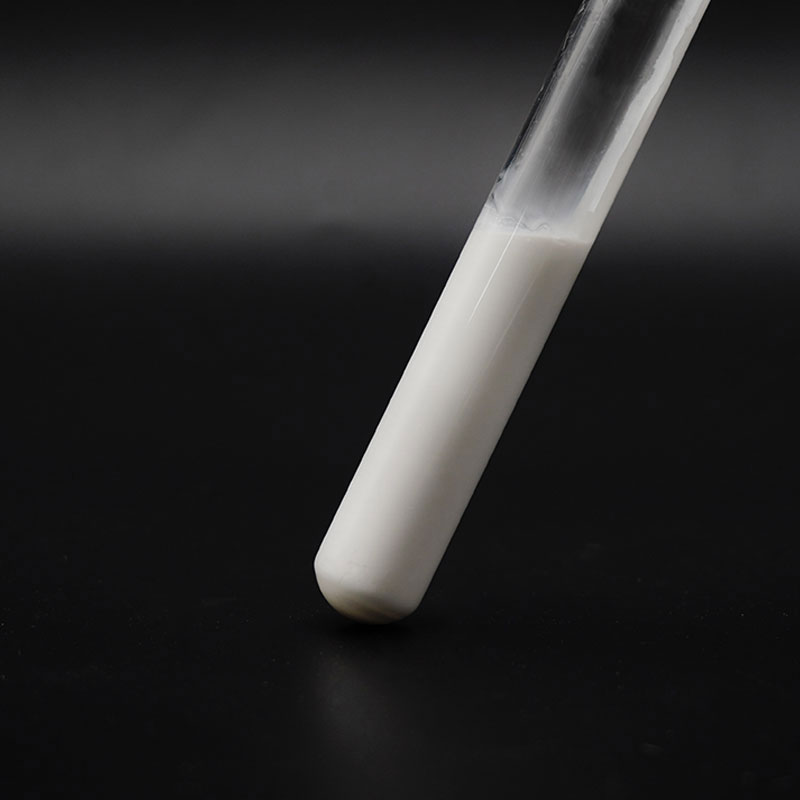
Specification of Aerogel Felt Blanket Production Line Equipment Silica Insulation Aerogel Particle Powder Machine
Requirements of Aerogel Felt Covering Production Line Tools
Core Parts and Performance
This assembly line makes silica aerogel insulation felt coverings. It starts with raw silica aerogel bits in powder kind. The devices handles every action– from feeding and mixing to forming, drying, and cutting the final product.
The system includes a powder feeding system that relocates aerogel bits right into the mixing chamber. A precision mixer blends the powder with binders equally. This mix goes into a creating section , where it is laid onto a moving belt to develop a consistent blanket framework. After developing, the material enters a managed drying stove . Right here, moisture is gotten rid of gradually to maintain the aerogel’s nanostructure undamaged. The dried blanket after that transfers to a cooling zone prior to getting to the automated cutter , which cuts it to specific lengths.
Secret Technical Includes
All devices operate on a main PLC control system . Operators can keep an eye on and change rate, temperature, and density from a solitary user interface. The line sustains continual procedure with very little hand-operated input. Safety guards and emergency stops are developed into every station.
The tools utilizes stainless steel structures and food-grade conveyor belts. These products resist corrosion and satisfy cleanroom standards. Airflow and temperature level inside the clothes dryer are exactly taken care of to stay clear of splitting or diminishing the aerogel blanket.
Efficiency and Outcome
The conventional line creates as much as 500 square meters each day . Blanket density varies from 3 mm till 20 mm . Widths increase to 1,500 mm . Customized dimensions are possible with small tooling changes. Power consumption stays reduced thanks to effective burner and heat-recycling layout.
Maintenance is easy. A lot of parts are modular and simple to change. Lubrication points and filter checks adhere to a clear schedule. Training takes much less than eventually for standard procedure.
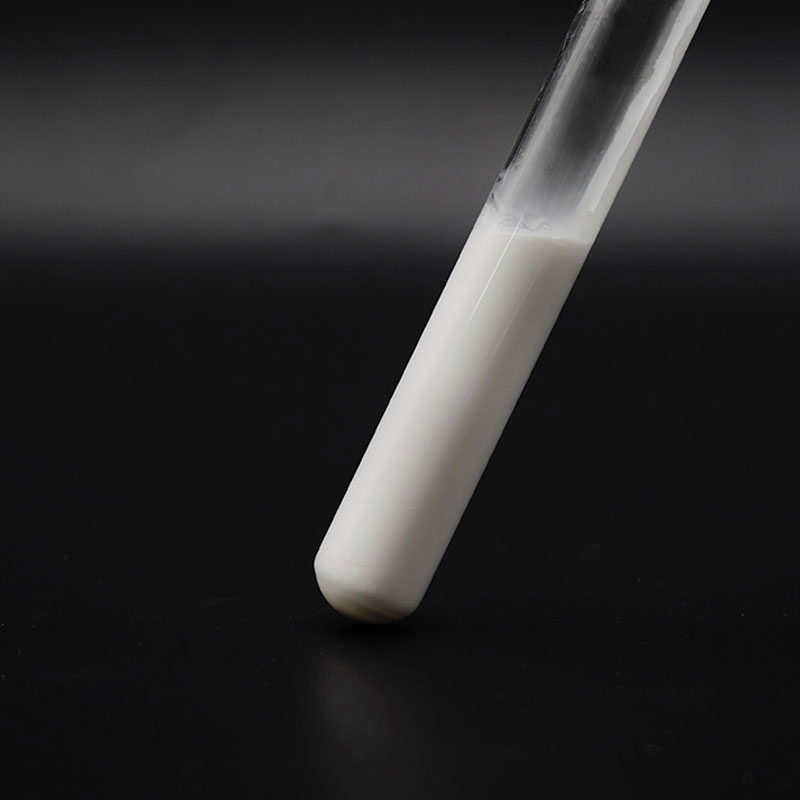
Applications of Aerogel Felt Blanket Production Line Equipment Silica Insulation Aerogel Particle Powder Machine
Applications of Aerogel Felt Blanket Assembly Line Devices
High-Efficiency Insulation for Demanding Industries
Our silica insulation aerogel particle powder device powers contemporary production lines that produce aerogel really felt blankets. These coverings supply unparalleled thermal efficiency in a light-weight, versatile kind. The tools refines raw silica right into great aerogel bits, then incorporates them right into coarse substratums to generate attire, high-quality insulation rolls or sheets.
This modern technology serves sectors where heat control is critical. I olja och gas, aerogel coverings wrap pipelines and tank to minimize power loss and stop cold. Chemical plants use them to shield reactors and shutoffs running at severe temperatures. The product’s hydrophobic nature also makes it perfect for exterior or humid settings, where standard insulation frequently stops working.
Developed for Accuracy and Dependability
The production line features automated feeding, mixing, and drying systems that guarantee constant bit size and distribution. Operators can change parameters to fulfill certain density, densitet, or thermal conductivity demands. Every system undertakes strenuous high quality checks before leaving the factory.
Due to the fact that aerogel felt is slim yet very effective, it conserves space in limited installations– common in shipbuilding, flyg, and electrical lorry battery packs. It likewise meets fire security standards without releasing toxic fumes, making it secure for usage in public framework and residential applications.
Our devices support continual, large-scale result while decreasing waste and energy intake. They are developed for easy maintenance and long service life, assisting makers reduced operational expenses. With expanding need for energy-efficient remedies, this tools allows businesses to produce next-generation insulation that outperforms traditional materials like fiberglass or mineral woollen.
Applications of High Temperature Aerogel Thermal Insulation
-
Thermal Insulation: Used in aerospace for spacecraft insulation, and in commercial and residential buildings for energy-efficient windows and insulation materials.
-
Environmental Remediation: Aerogels’ high surface area makes them effective in absorbing pollutants like oil spills and heavy metals from water.
-
Sound Absorption: Their porous structure absorbs sound waves effectively, making them useful in noise reduction applications.
-
Elektronik: Aerogels’ low thermal conductivity and electrical insulation properties find applications in semiconductor and battery technology.
-
Optics and Photonics: Translucent aerogels are used in optical devices, light-guiding structures, and as filters.
-
Drug Delivery: The high surface area can be utilized for controlled drug release, making aerogels candidates for advanced medical applications.
Företagsprofil
Graphne Aerogels är en pålitlig global leverantör av kemiska material & tillverkare med över 12 års erfarenhet av att tillhandahålla superhögkvalitativa aerogel- och grafenprodukter.
Företaget har en professionell teknisk avdelning och kvalitetsövervakningsavdelning, ett välutrustat laboratorium, och utrustad med avancerad testutrustning och kundservicecenter efter försäljning.
Om du letar efter högkvalitativ grafen, aerogel och relaterade produkter, vänligen kontakta oss eller klicka på de produkter som behövs för att skicka en förfrågan.
Betalningsmetoder
L/C, T/T, Western Union, Paypal, Kreditkort etc.
Transport
Det skulle kunna fraktas sjövägen, med flyg, eller genom att avslöja ASAP så snart återbetalningen mottagits.
FAQs of High Temperature Aerogel Thermal Insulation
Q: Is High Temperature Aerogel Thermal Insulation fragile?
A: Traditional aerogels are brittle and fragile; dock, advancements have led to the development of “flexibel” eller “rigid” aerogels that maintain their unique properties while being more durable.
Q: How is High Temperature Aerogel Thermal Insulation made?
A: High Temperature Aerogel Thermal Insulation is synthesized by replacing the liquid in a gel with gas without causing the structure to collapse. This is typically achieved through supercritical drying, where the solvent is converted to a supercritical state, allowing it to evaporate without forming liquid-gas interfaces that could damage the gel structure.
Q: Is High Temperature Aerogel Thermal Insulation expensive?
A: Historically, aerogels have been costly due to their complex manufacturing process. Dock, with technological advancements and economies of scale, costs are gradually decreasing.
Q: Can High Temperature Aerogel Thermal Insulation conduct electricity?
A: Most aerogels are poor conductors of electricity due to their porous, insulating nature. Dock, certain metal-oxide aerogels can display semiconducting or even conducting properties.
Q: Is High Temperature Aerogel Thermal Insulation environmentally friendly?
A: Aerogels themselves do not pose environmental hazards, and their use in insulation can reduce energy consumption. Dock, the production process may involve chemicals that require careful handling and disposal.
5 FAQs of Aerogel Felt Blanket Production Line Equipment Silica Insulation Aerogel Particle Powder Machine
Frequently Asked Questions About Aerogel Felt Blanket Production Line Equipment
What is this equipment used for?
This machine makes silica aerogel insulation products. It turns raw aerogel powder into flexible felt blankets. These blankets are light and offer strong thermal insulation. They are used in buildings, rörledningar, and industrial systems.
How does the production line work?
The process starts with feeding aerogel particles into the system. The machine mixes them with fibers and binders. Then it forms a uniform mat. Därefter, the mat goes through drying and curing steps. The final product is a soft, flexible aerogel blanket ready for cutting and packaging.
Is the equipment hard to operate?
Inga. The system uses a simple control panel. Operators can manage speed, temperature, and thickness with basic training. Safety features are built in. Maintenance tasks are clear and routine. Most staff learn quickly after a short onboarding period.
What materials can be processed?
The main input is hydrophobic silica aerogel powder. You can also use glass fiber, ceramic fiber, or other reinforcing fibers. The machine adjusts to different mix ratios. This flexibility helps meet various insulation performance needs.
How much space does the production line need?
A standard line fits in a workshop about 20 till 30 meters long. Exact size depends on output capacity and optional modules. We provide layout plans before installation. This helps you prepare your facility properly. Good airflow and power supply are required.