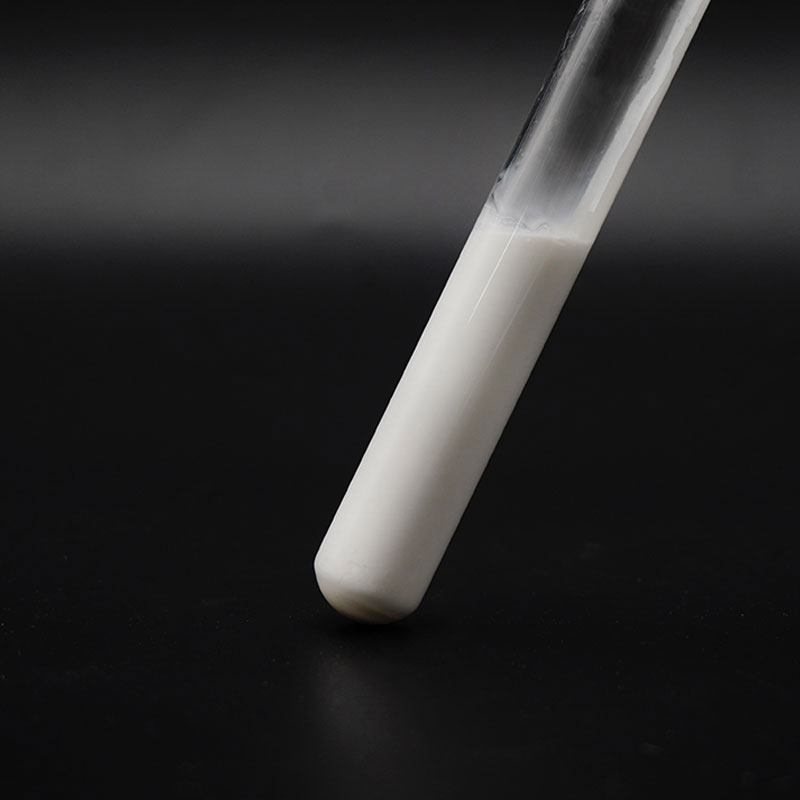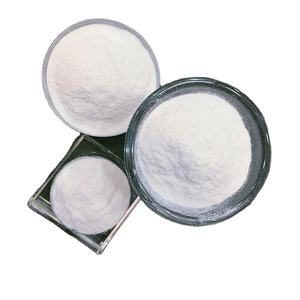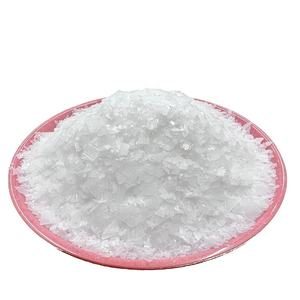
Overview of Aerogel Powder and Particle Granule
Na pauta ni Airgel sa ikoya na ivakarau ni granular ni vuravura’s mamada duadua na iyaya kaukauwa ., e dau vakatokai me “kubou batabata.” Na ka nanoporous oqo e buli ena kena sosomitaki na wai ena dua na gel kei na kasi ., ka vakavuna e dua na ultra-lailai-levu kaukauwa kei na iyau vakasakiti. Na noda pauta ni aerogel e maroroya tiko na itovo vakasakiti ni aerogels monolithic ena dua na veisau, rawarawa-me-vakaduavatataki na ituvatuva me baleta na veimataqali cakacaka kei na vakadidike ni kerekere.
Features of Aerogel Powder and Particle Granule
-
Sa rui lailai sara na kena vakayagataki na katakata: E solia na cakacaka ni veivakabulabulataki cecere, ena veivanua sara mada ga.
-
Porosi cecere & Vanua ni Vanua: Vakaraitaka e dua na ituvatuva nanoporous kei na dua na vanua ni dela ni sivia na 100. 600 m2/g me baleta na adsorpción vakasakiti kei na rawa ni catalytic.
-
Na kaukauwa lailai sara: E dua vei ira na iyaya kaukauwa mamada duadua e kila na tamata ..
-
Na digidigi ni wai se na wai: E tiko ena veivakarautaki ka vakasavi se gunuva na wai me ganita na gagadre ni kerekere vakatabakidua.
-
Vinaka sara na kena vorati na bukawaqa: Na pauta yavutaki ena silica sega ni vakayago e sega ni dau kama ka rawa ni vosota na katakata cecere ..
Specification of Aerogel Powder and Particle Granule
Specification of Aerogel Powder and Particle Granule
Physical Form
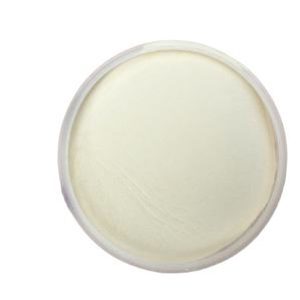
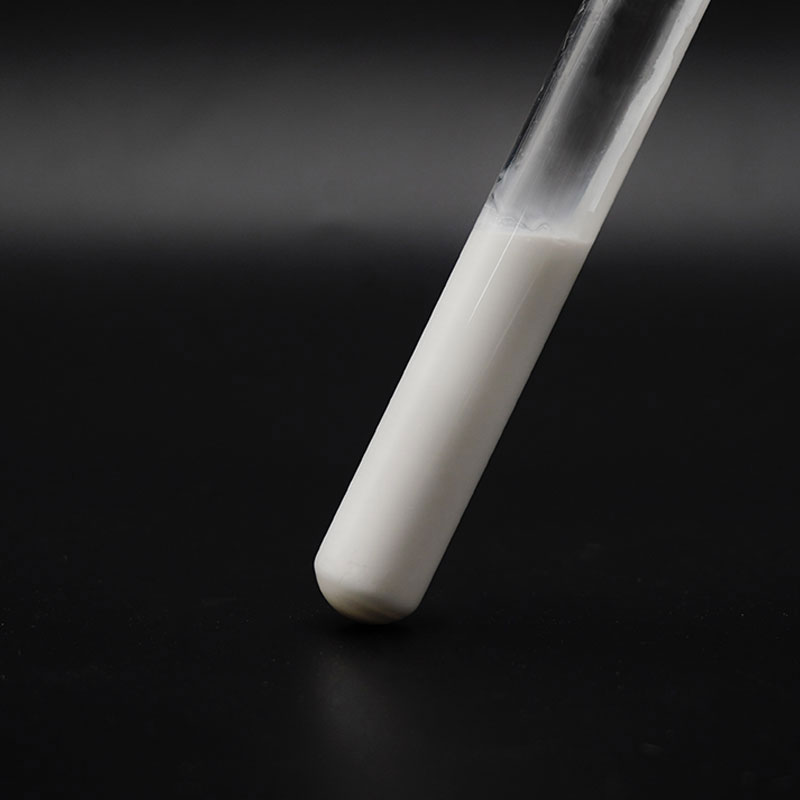
Pauta ni Airgel appears as a fine, free-flowing solid with a light, textura flujosa. Particle granules are small, uniform beads formed by agglomerating the powder. Both forms are dry to the touch and do not clump under normal storage conditions.
Color and Appearance
The material is typically white or off-white. It may show a slight bluish tint under certain lighting due to Rayleigh scattering, a natural optical effect common in nanostructured materials.
Density and Porosity
Bulk density ranges from 30 me 150 kg/m³ for powder and 80 me 200 kg/m³ for granules, depending on processing methods. The internal structure is highly porous, with pore sizes below 50 nanometers. Total porosity usually exceeds 90%, giving the material its ultra-lightweight nature.
Na iVakavuvuli ni yalo .
At room temperature and ambient pressure, thermal conductivity falls between 0.013 kei 0.020 W/(m·K). This low value makes it one of the best solid insulators available.
Moisture Sensitivity
Standard aerogel products are hydrophilic and can absorb moisture from the air. Hydrophobic versions are also available for applications requiring water resistance. These treated grades repel liquid water while maintaining insulation performance.
Particle Size
Powder particles average 1 me 20 micrometers in diameter. Granules range from 0.5 me 3 milimita, with tight size distribution to ensure consistent flow and packing behavior.
Purity and Composition
The base material is amorphous silica (SiO₂), with purity levels above 95%. Trace elements may include sodium or carbon, depending on the manufacturing process. No binders or fillers are added unless specified for custom formulations.
Packaging and Handling
Products are sealed in moisture-barrier bags inside rigid containers. Store in a cool, dry place. Avoid prolonged exposure to humid air to preserve performance.
Applications of Aerogel Powder and Particle Granule
Applications of Aerogel Powder and Bit Granule
Thermal Insulation in Buildings
Aerogel powder is mixed into plasters, provides, and insulation boards. It cuts heat loss via walls and roofings. This helps buildings remain cozy in winter months and cool in summer season. Home builders utilize it to meet energy efficiency guidelines without including thick insulation layers.
Industrial Pipe and Tools Insulation
Manufacturing facilities wrap pipelines and containers with aerogel granules packed right into flexible blankets or shaped parts. These granules decrease warmth transfer also at heats. They work well where space is tight or weight issues, like on overseas platforms or chemical plants.
Clothing and Exterior Equipment
Outside clothing brands mix great aerogel particles into textiles or linings. The product traps temperature yet remains lightweight and breathable. Kote, handwear covers, and resting bags with aerogel keep customers warm up in cold problems without bulk.
Transportation and Automotive Uses
Cars and truck manufacturers include aerogel powder to battery packs in electrical automobiles. It obstructs warm from spreading between cells during procedure. Trains and aircraft also utilize it under floors or near engines to reduce fire danger and enhance cabin convenience.
Specialty Product Packaging and Electronics
Breakable or temperature-sensitive items ship inside boxes lined with aerogel granules . These granules shield versus unexpected temperature level swings. In electronic devices, slim layers of aerogel guard circuits from overheating without using up much room.
Environmental and Filtering Roles
Due to its massive surface area, aerogel powder grabs oils, kemikali, and heavy metals from water. It operates in spill cleaning kits and industrial filters. Some variations are recycled after cleansing, which lowers waste and cost.
iTukutuku ni Kabani
Graphne Aerogels e dua na dausoli iyaya ni kemikali nuitaki ni vuravura raraba & dauteitei kei na sivia na 12-yabaki-vakatovotovo ena kena vakarautaki na super cecere-na ivakarau ni aerogel kei na graphene ivoli.
Na kabani e tiko kina e dua na tabana ni tekinolaji vakacakacaka kei na Tabana ni Veiqaravi ni Quality ., e dua na vale ni vakadidike vakarautaki vinaka ., ka vakaiyaragitaki ena iyaya ni veivakatovolei torocake kei na vanua ni veiqaravi ni kasitama ni oti na volivolitaki ..
Kevaka o vakasaqara tiko na graphene cecere ., aerogel kei na veika e buli, yalovinaka vakila na galala mo veitaratara kei keda se kiliki ena veika e gadrevi me vakau e dua na vakatataro ..
Na iwalewale ni sausaumi
L/C, T/T, Iunioni ni Tokalau, Pepa, Kadi ni dinau kei na so tale.
Vakauta
E rawa ni vakau ena wasawasa ., ena cagi, se ena kena vakaraitaki ASAP ena gauna ga e ciqomi kina na sausaumi.
5 FAQs of Aerogel Powder and Particle Granule
Frequently Asked Questions About Aerogel Powder and Particle Granules
What is aerogel powder made of?
Aerogel powder comes from silica-based gels. These gels go through a special drying process called supercritical drying. This removes liquid without shrinking the structure. The result is an ultra-light, highly porous material with strong insulating properties.
How are particle granules different from fine powder?
Particle granules are larger and more uniform in size than fine powder. They flow better and create less dust during handling. This makes them easier to mix into coatings, veivakaduavatataki, or insulation systems. Fine powder works well when you need maximum surface area or deep penetration.
Why use aerogel in insulation products?
Aerogel has one of the lowest thermal conductivities of any solid material. It blocks heat transfer very effectively. Even a thin layer can provide strong insulation. That’s why it’s used in buildings, paipo, and protective clothing where space is limited but performance matters.
Is aerogel safe to handle?
Io, silica aerogel is non-toxic and chemically inert. Se tiko ga, like any fine powder, it can irritate eyes, skin, or lungs if inhaled. Always wear gloves, safety glasses, and a dust mask when working with loose powder. Granules reduce this risk because they produce less airborne dust.
Can aerogel be mixed with other materials?
Dina sara. Aerogel powder and granules blend well with polymers, droini, plasters, and cement. Adding even a small amount improves thermal performance without changing the base material too much. Make sure to follow mixing instructions to keep the aerogel’s structure intact and get the best results.