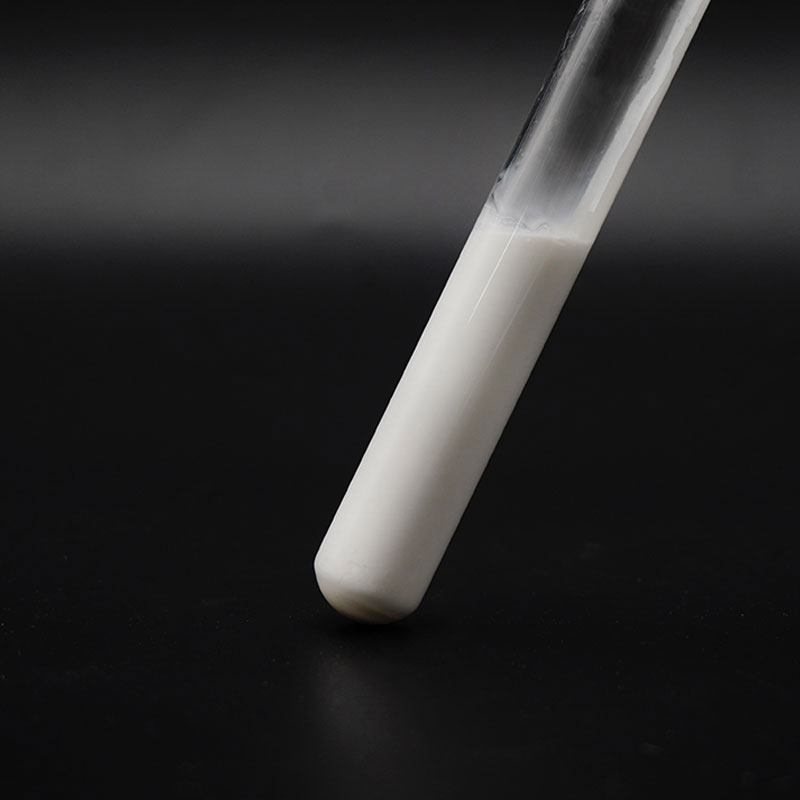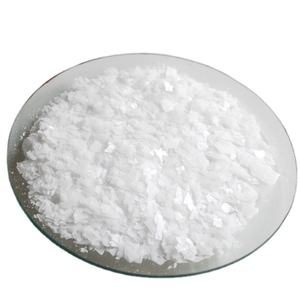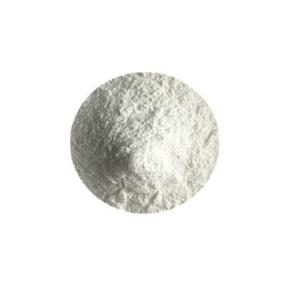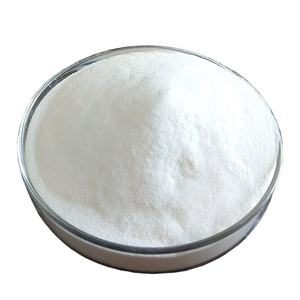
Overview of Aerogel Powder and Particle Granule
Bubuk Airgel mangrupikeun bentuk granular tina bahan padet anu paling hampang di dunya, mindeng disebut "haseup beku". Zat nanoporous ieu diciptakeun ku ngagentos cairan dina gél sareng gas, hasilna mangrupa ultra-low-dénsitas padet mibanda sipat rongkah. Bubuk airgel kami nahan kualitas luar biasa tina aerogels monolithic dina serbaguna, format gampang-to-integrasi pikeun rupa-rupa aplikasi industri jeung panalungtikan.
Features of Aerogel Powder and Particle Granule
-
Konduktivitas termal pisan low: Nawarkeun kinerja insulasi punjul, malah dina lingkungan ekstrim.
-
Porositas Tinggi & Wewengkon Permukaan: Fitur struktur nanoporous kalawan aréa permukaan ngaleuwihan 600 m²/g pikeun adsorpsi luar biasa jeung poténsi katalitik.
-
Ultra-Low Density: Salah sahiji bahan padet lightest dipikawanoh pikeun manusa.
-
Pilihan Hidrofobik atanapi Hidrofilik: Sadia dina formulasi nu boh ngusir atawa nyerep cai pikeun nyocogkeun ka kabutuhan aplikasi husus.
-
Résistansi Seuneu alus teuing: bubuk anorganik basis silika nyaeta inherently non-kaduruk tur bisa tahan hawa tinggi.
Specification of Aerogel Powder and Particle Granule
Specification of Aerogel Powder and Particle Granule
Physical Form
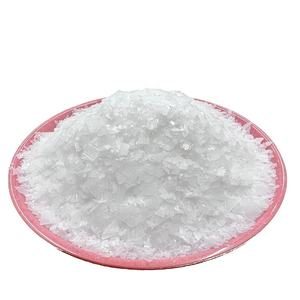
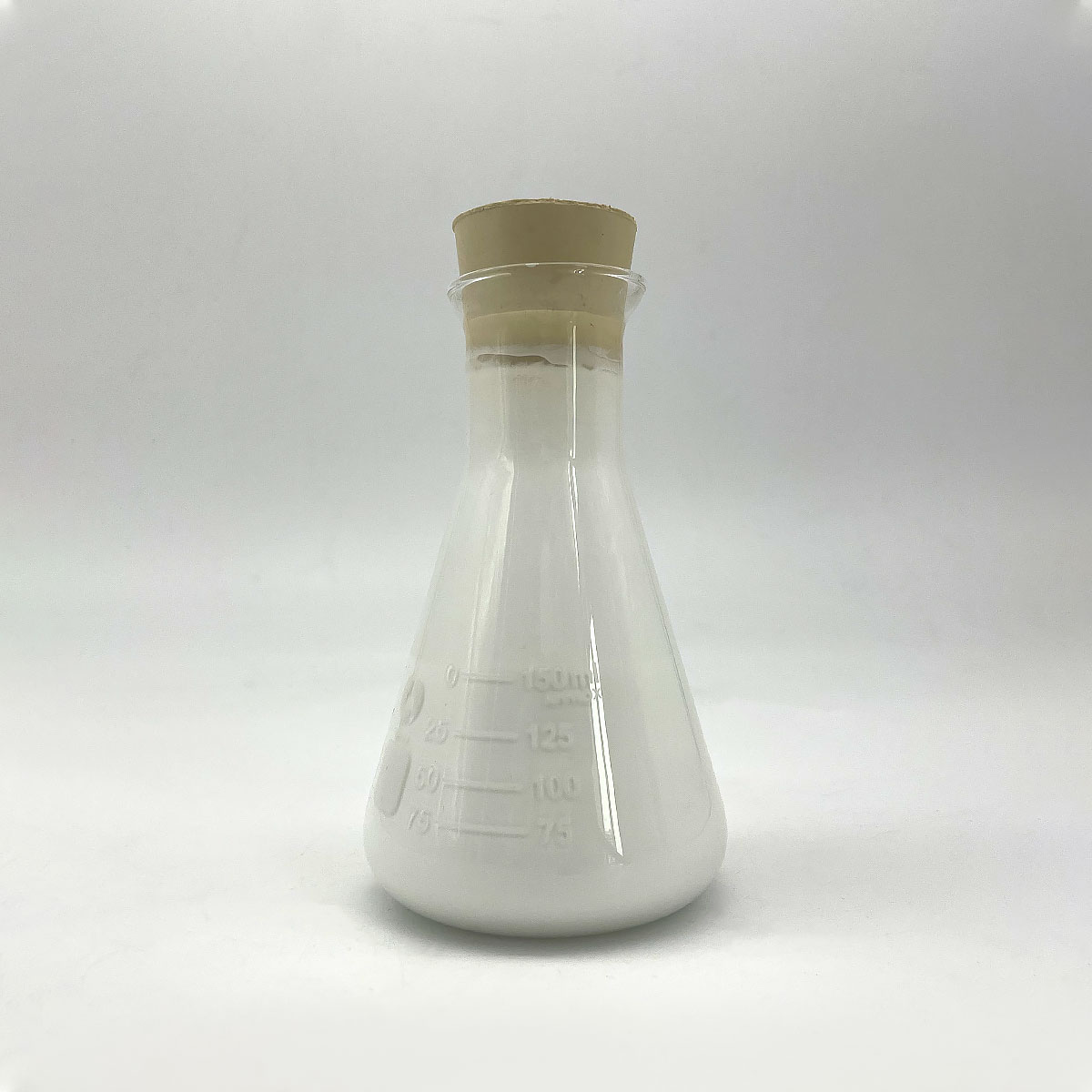
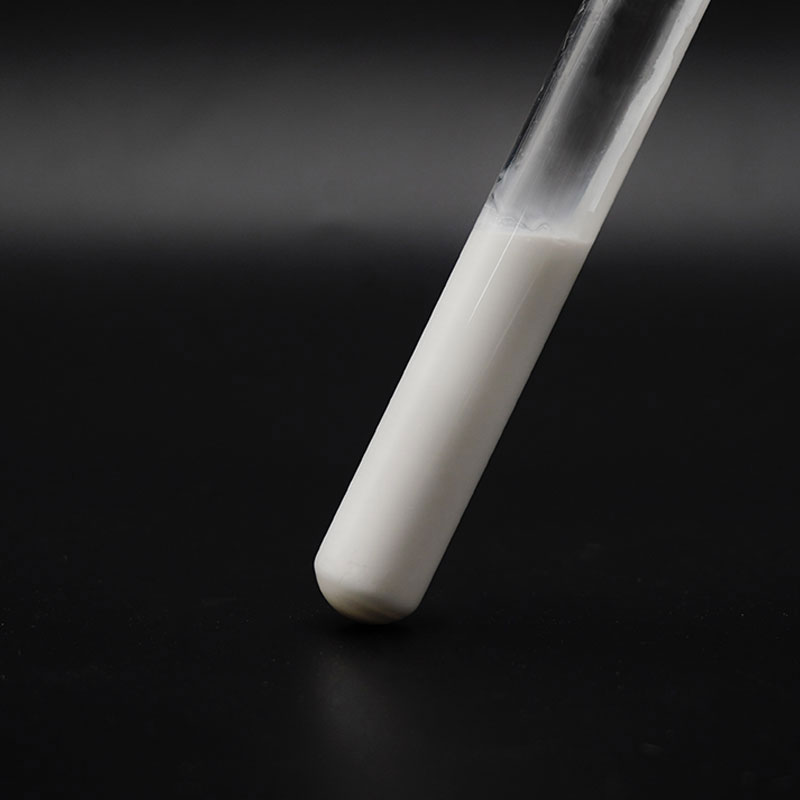
bubuk Airgel appears as a fine, free-flowing solid with a light, tékstur mengembang. Particle granules are small, uniform beads formed by agglomerating the powder. Both forms are dry to the touch and do not clump under normal storage conditions.
Color and Appearance
The material is typically white or off-white. It may show a slight bluish tint under certain lighting due to Rayleigh scattering, a natural optical effect common in nanostructured materials.
Density and Porosity
Bulk density ranges from 30 ka 150 kg/m³ for powder and 80 ka 200 kg/m³ for granules, depending on processing methods. The internal structure is highly porous, with pore sizes below 50 nanometers. Total porosity usually exceeds 90%, giving the material its ultra-lightweight nature.
Konduktivitas termal
At room temperature and ambient pressure, thermal conductivity falls between 0.013 jeung 0.020 W/(m·K). This low value makes it one of the best solid insulators available.
Moisture Sensitivity
Standard aerogel products are hydrophilic and can absorb moisture from the air. Hydrophobic versions are also available for applications requiring water resistance. These treated grades repel liquid water while maintaining insulation performance.
Particle Size
Powder particles average 1 ka 20 micrometers in diameter. Granules range from 0.5 ka 3 milimeter, with tight size distribution to ensure consistent flow and packing behavior.
Purity and Composition
The base material is amorphous silica (SiO₂), with purity levels above 95%. Trace elements may include sodium or carbon, depending on the manufacturing process. No binders or fillers are added unless specified for custom formulations.
Packaging and Handling
Products are sealed in moisture-barrier bags inside rigid containers. Store in a cool, dry place. Avoid prolonged exposure to humid air to preserve performance.
Applications of Aerogel Powder and Particle Granule
Applications of Aerogel Powder and Bit Granule
Thermal Insulation in Buildings
Aerogel powder is mixed into plasters, provides, and insulation boards. It cuts heat loss via walls and roofings. This helps buildings remain cozy in winter months and cool in summer season. Home builders utilize it to meet energy efficiency guidelines without including thick insulation layers.
Industrial Pipe and Tools Insulation
Manufacturing facilities wrap pipelines and containers with aerogel granules packed right into flexible blankets or shaped parts. These granules decrease warmth transfer also at heats. They work well where space is tight or weight issues, like on overseas platforms or chemical plants.
Clothing and Exterior Equipment
Outside clothing brands mix great aerogel particles into textiles or linings. The product traps temperature yet remains lightweight and breathable. Coats, handwear covers, and resting bags with aerogel keep customers warm up in cold problems without bulk.
Transportation and Automotive Uses
Cars and truck manufacturers include aerogel powder to battery packs in electrical automobiles. It obstructs warm from spreading between cells during procedure. Trains and aircraft also utilize it under floors or near engines to reduce fire danger and enhance cabin convenience.
Specialty Product Packaging and Electronics
Breakable or temperature-sensitive items ship inside boxes lined with aerogel granules . These granules shield versus unexpected temperature level swings. In electronic devices, slim layers of aerogel guard circuits from overheating without using up much room.
Environmental and Filtering Roles
Due to its massive surface area, aerogel powder grabs oils, bahan kimia, and heavy metals from water. It operates in spill cleaning kits and industrial filters. Some variations are recycled after cleansing, which lowers waste and cost.
Profil Perusahaan
Graphne Aerogels mangrupikeun supplier bahan kimia global anu dipercaya & produsén sareng pangalaman langkung ti 12 taun dina nyayogikeun produk airgel sareng graphene kualitas luhur super.
Perusahaan ngagaduhan jabatan téknis profésional sareng Departemen Pengawasan Kualitas, laboratorium anu dilengkepan ogé, sarta dilengkepan parabot nguji canggih tur sanggeus-jualan puseur layanan palanggan.
Lamun Anjeun keur pilari graphene kualitas luhur, airgel jeung produk relatif, mangga ngarasa Luncat ngahubungan kami atawa klik dina produk diperlukeun pikeun ngirim hiji panalungtikan.
Métode pamayaran
L/C, T/T, persatuan urang Barat, Paypal, Kartu kiridit jsb.
Pangiriman
Éta tiasa dikirim ku laut, ku hawa, atanapi ku nembongkeun ASAP pas repayment resi.
5 FAQs of Aerogel Powder and Particle Granule
Frequently Asked Questions About Aerogel Powder and Particle Granules
What is aerogel powder made of?
Aerogel powder comes from silica-based gels. These gels go through a special drying process called supercritical drying. This removes liquid without shrinking the structure. The result is an ultra-light, highly porous material with strong insulating properties.
How are particle granules different from fine powder?
Particle granules are larger and more uniform in size than fine powder. They flow better and create less dust during handling. This makes them easier to mix into coatings, composites, or insulation systems. Fine powder works well when you need maximum surface area or deep penetration.
Why use aerogel in insulation products?
Aerogel has one of the lowest thermal conductivities of any solid material. It blocks heat transfer very effectively. Even a thin layer can provide strong insulation. That’s why it’s used in buildings, saluran pipa, and protective clothing where space is limited but performance matters.
Is aerogel safe to handle?
Sumuhun, silica aerogel is non-toxic and chemically inert. Leungit, like any fine powder, it can irritate eyes, skin, or lungs if inhaled. Always wear gloves, safety glasses, and a dust mask when working with loose powder. Granules reduce this risk because they produce less airborne dust.
Can aerogel be mixed with other materials?
Leres pisan. Aerogel powder and granules blend well with polymers, cét, plasters, and cement. Adding even a small amount improves thermal performance without changing the base material too much. Make sure to follow mixing instructions to keep the aerogel’s structure intact and get the best results.